Epigenetic aging, knee pain and physical performance in community-dwelling middle-to-older age adults
Abstract
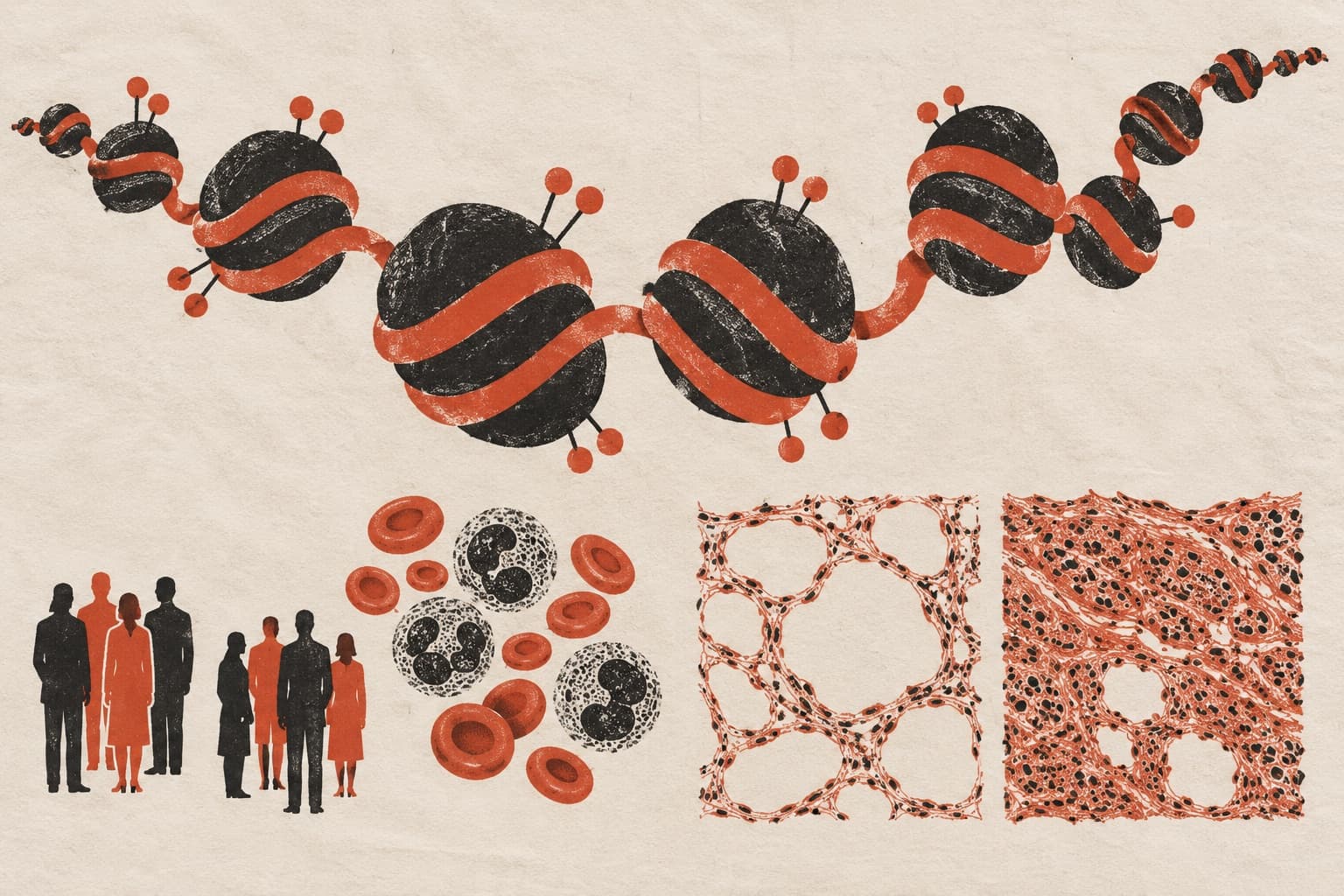
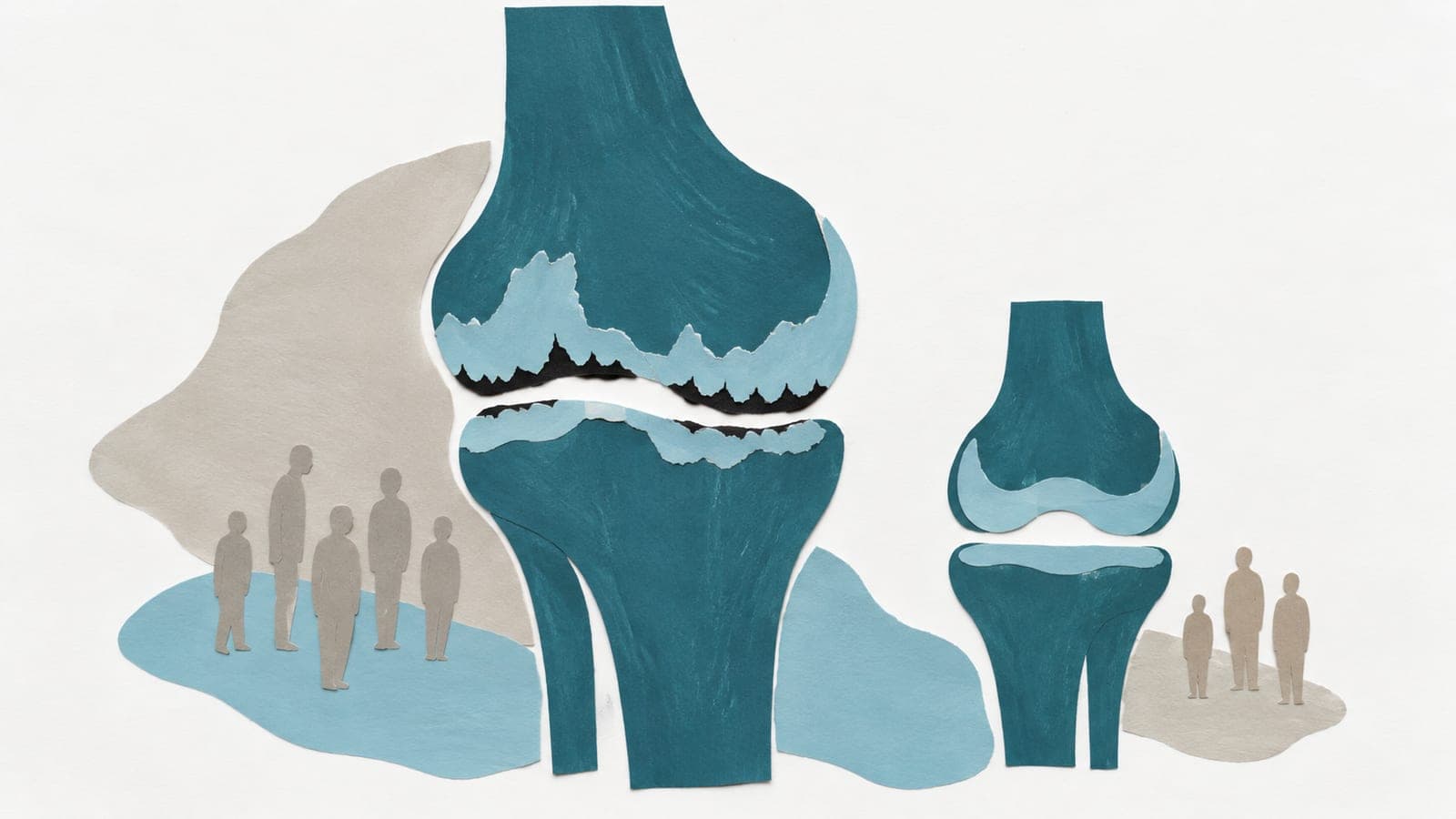
Knee pain is a leading cause of disability in the aging population and may indirectly accelerate biological aging processes. Chronological aging increases the risk of developing of knee pain and knee pain reduces physical function; however, limited data exist on how epigenetic aging, a known hallmark of biological aging shown to predict health span and mortality, may influence this relationship. The purpose of this study was to examine whether decreased physical performance associated with knee pain is mediated by markers of epigenetic aging. Participants (57.91 ± 8.04 years) with low impact knee pain (n = 95), high impact knee pain (n = 53) and pain-free controls (n = 26) completed self-reported pain, a blood draw and a short physical performance battery (SPPB) that included balance, walking, and sit to stand tasks. We employed an epigenetic clock previously associated with knee pain and shown to predict overall mortality risk (DNAmGrimAge). Bootstrapped-mediation analyses were used to determine associations of DNAmGrimAge and SPPB between pain groups. Those with high impact and low impact pain had a biologically older epigenetic age (5.14y ± 5.66 and 1.32y ± 5.41, respectively). However, while there were direct effects of pain on overall physical performance, these were not explained by epigenetic aging. Epigenetic aging only mediated the effect of pain on balance performance. Future work is needed to examine pain's impact on biological aging processes including epigenetic aging and its ultimate effect on physical function measures known to predict health span and mortality.
The paper
University of Florida; University of Florida Health
Experimental Gerontology, May 29, 2022