Effects of aging on the histology and biochemistry of rat tendon healing
By Lai F, Tang H, Wang J et al.
Abstract
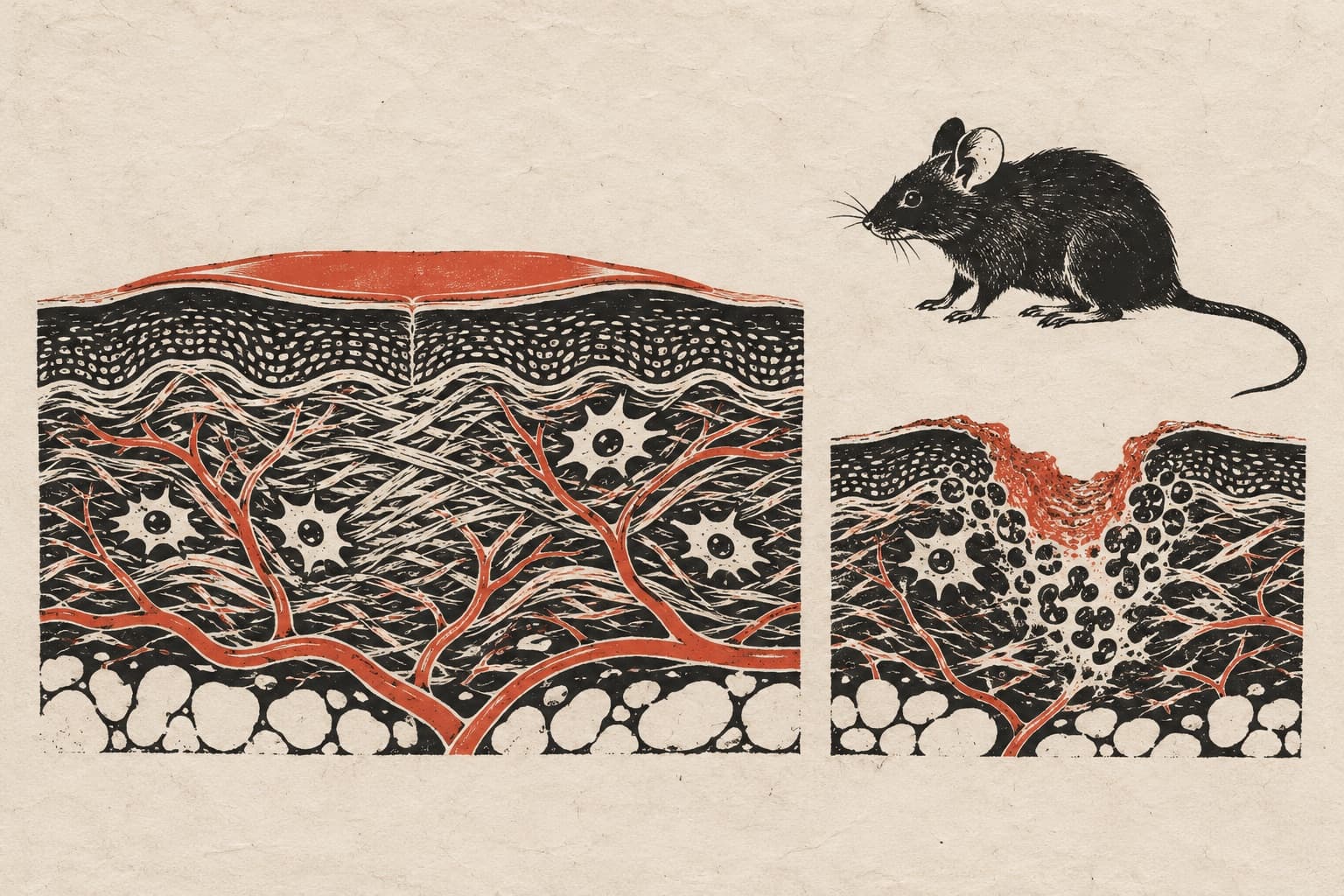
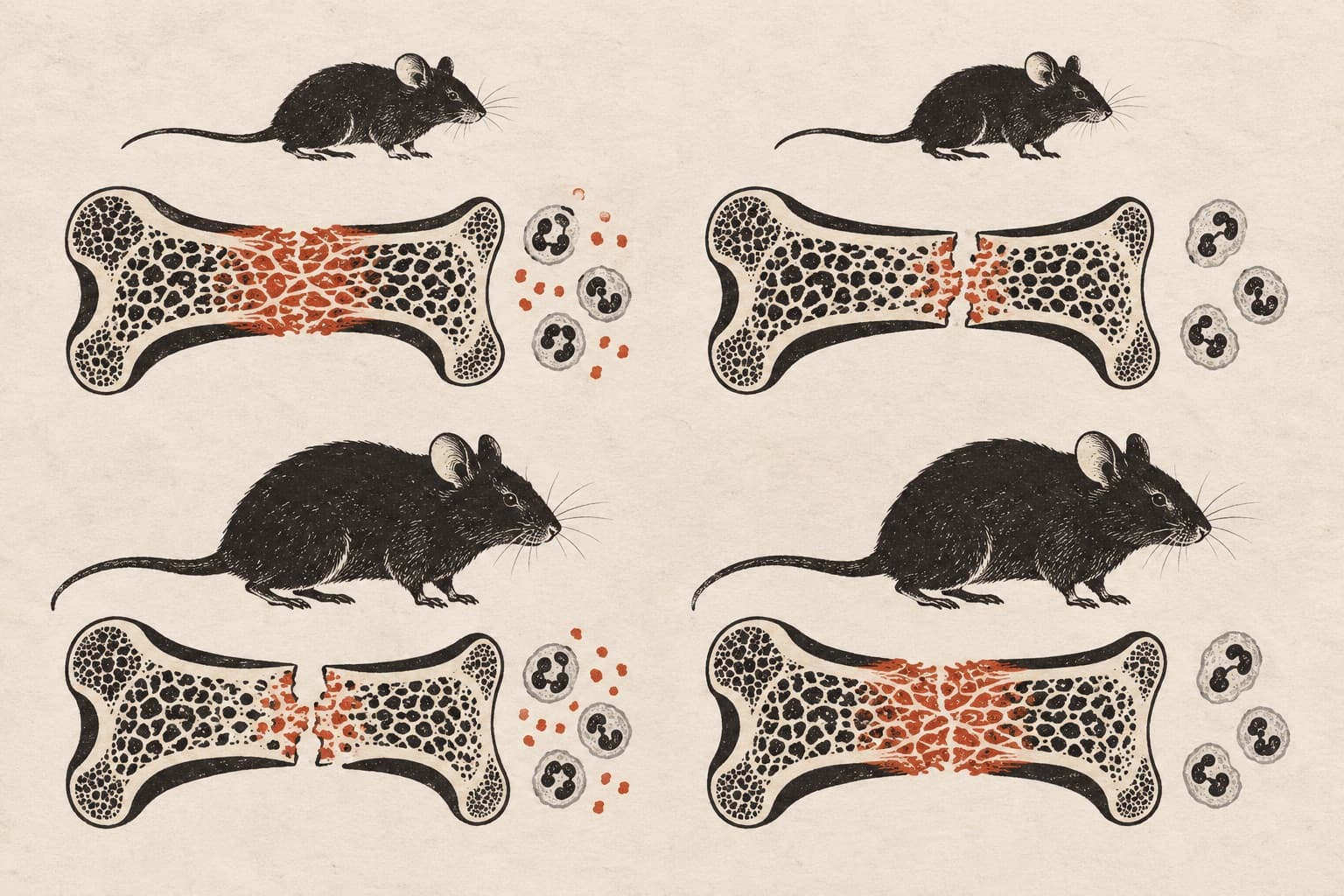
INTRODUCTION: Tendon diseases and injuries are a serious problem for the aged population, often leading to pain, disability and a significant decline in quality of life. The purpose of this study was to determine the influence of aging on biochemistry and histology during tendon healing and to provide a new strategy for improving tendon healing. METHOD: A total of 24 Sprague-Dawley rats were equally divided into a young and an aged group. A rat patellar tendon defect model was used in this study. Tendon samples were collected at weeks 2 and 4, and hematoxylin-eosin, alcian blue and immunofluorescence staining were performed for histological analysis. Meanwhile, reverse transcription-polymerase chain reaction (RT-PCR) and western blot were performed to evaluate the biochemical changes. RESULTS: The histological scores in aged rats were significantly lower than those in young rats. At the protein level, collagen synthesis-related markers Col-3, Matrix metalloproteinase-1 and Metallopeptidase Inhibitor 1(TIMP-1) were decreased at week 4 in aged rats compared with those of young rats. Though there was a decrease in the expression of the chondrogenic marker aggrecan at the protein level in aged tendon, the Micro-CT results from weeks 4 samples showed no significant difference(p>0.05) on the ectopic ossification between groups. Moreover, we found more adipocytes accumulated in the aged tendon defect with the Oil Red O staining and at the gene and protein levels the markers related to adipogenic differentiation. CONCLUSIONS: Our findings indicate that tendon healing is impaired in aged rats and is characterized by a significantly lower histological score, decreased collagen synthesis and more adipocyte accumulation in patellar tendon after repair.
The paper
Lai F, Tang H, Wang J et al.
BMC Musculoskeletal Disorders, Nov 15, 2021