Adaptations Supporting Plasma Methionine on a Limited-Methionine, High-Cystine Diet Alter the Canine Plasma Metabolome Consistent with Interventions that Extend Life Span in Other Species
By Allaway D, Harrison M, Haydock R et al.
Abstract
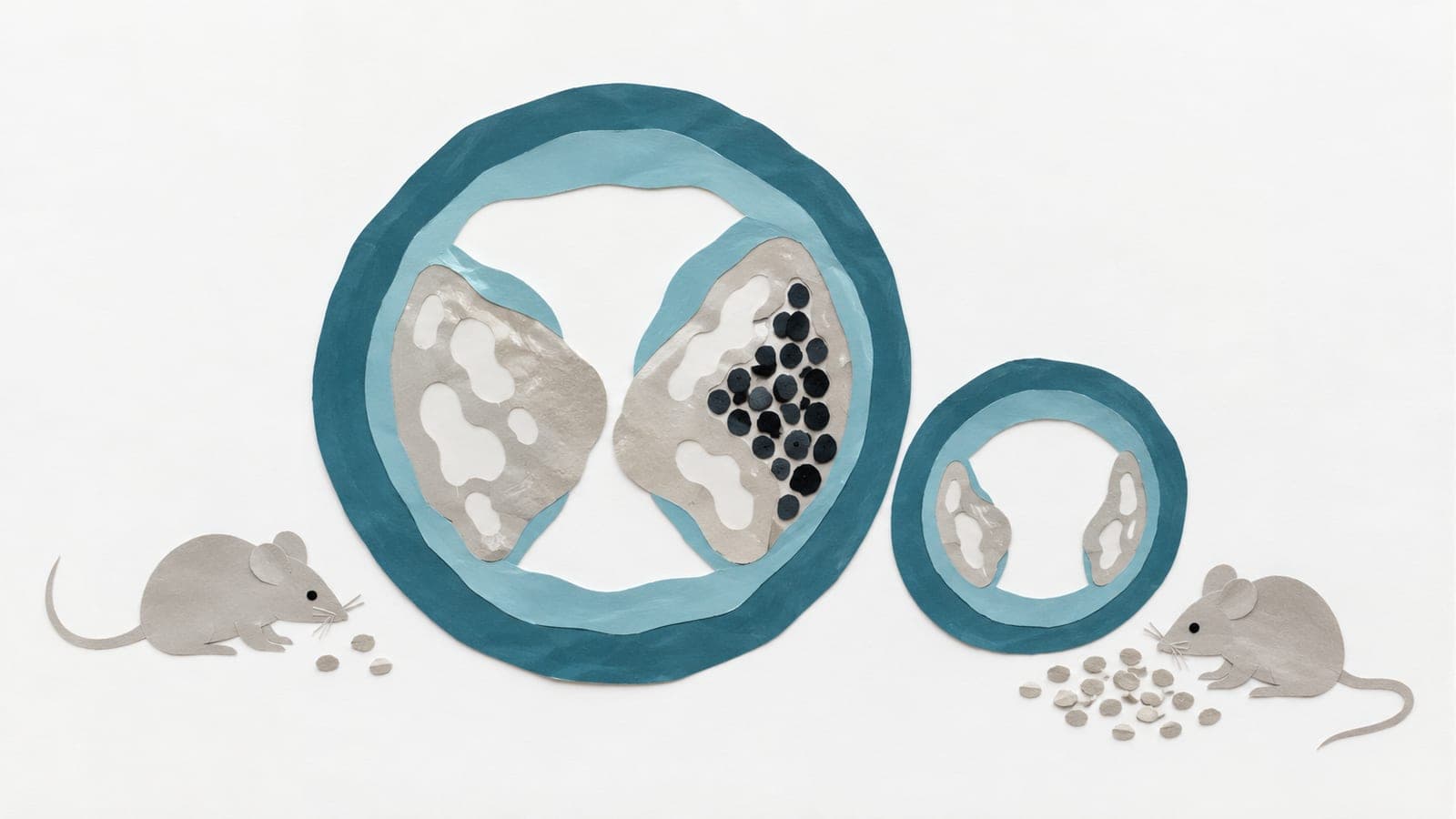
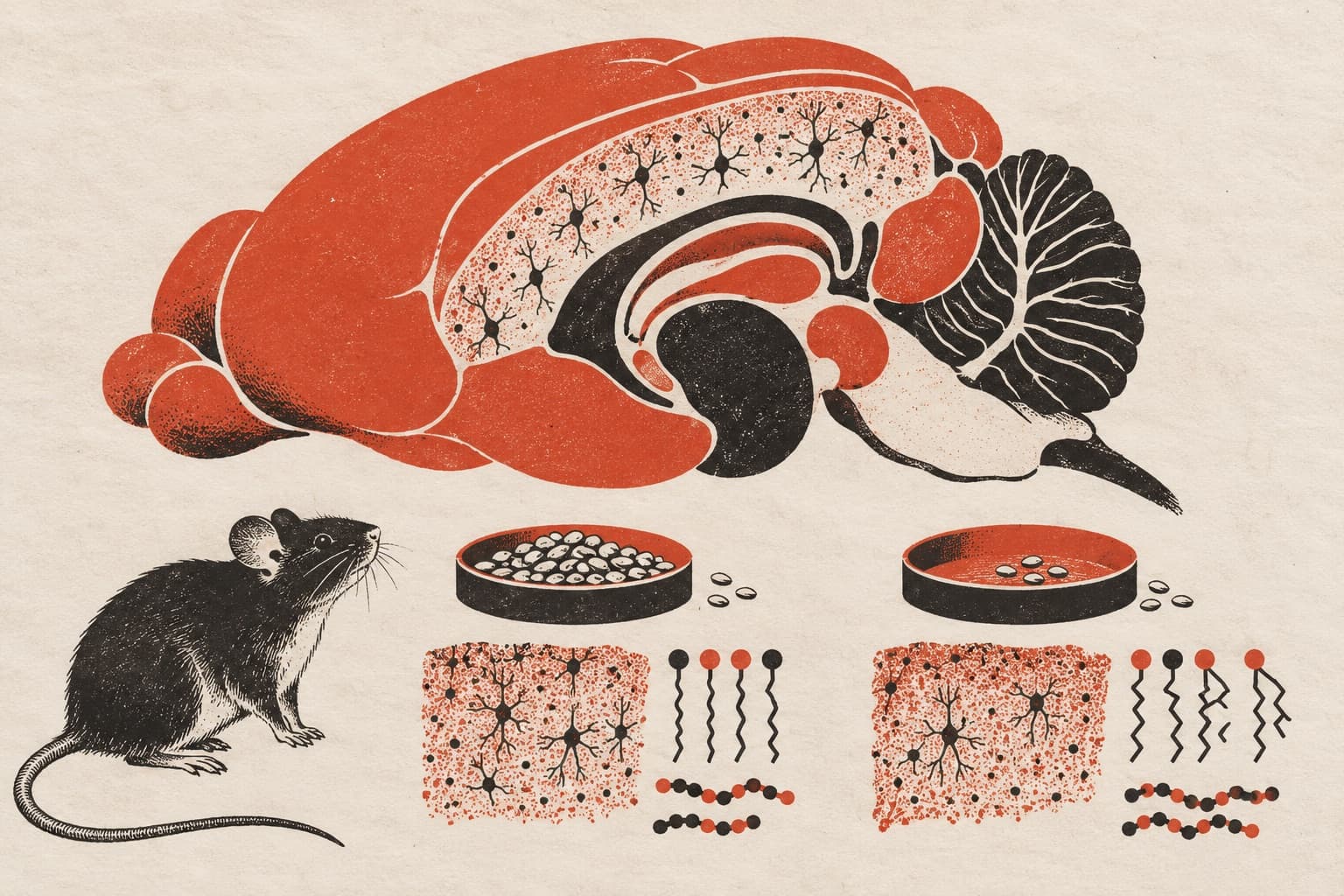
BACKGROUND: Using indicator amino acid oxidation methodology, the mean dietary requirement of adult dogs for methionine (Met) was estimated to be ∼66% of the current recommended allowance. Dogs fed a diet formulated to provide the estimated mean Met requirement for 32 wk maintained plasma Met, seemingly supported by betaine oxidation. OBJECTIVE: To gain a better understanding of the metabolic changes that were associated with supporting plasma Met when dogs were fed a limited Met diet over 32 wk, we analyzed plasma samples taken from that study using a data-driven metabolomics approach. METHODS: Labrador retrievers (20 females/13 males; mean age: 4.9 y; range: 2.0-7.9 y) were fed semi-purified, nutritionally complete diets. After 4 wk of feeding a control diet (DL-Met; 1.37 g/1000 kcal), 17 dogs remained on this diet and 16 were transitioned to a test diet formulated to the estimated mean Met requirement (0.55 g/1000 kcal), with dietary total sulfur amino acid maintained with additional l-cystine (Cys). Dogs were individually fed diets to maintain a stable body weight at an ideal body condition score for 32 wk. Plasma samples from fasted blood collected at baseline and 8 and 32 wk were analyzed using untargeted metabolic profiling. RESULTS: Analysis of metabolites (n = 593) confirmed our primary findings (increased Met, betaine, and dimethylglycine). Metabolite changes consistent with repartitioning choline to support Met cycling included reduced pools of lipids derived via phosphatidylethanolamine N-methyltransferase and enhanced fatty acid oxidation. Some changes were consistent with metabolomics studies reported in other species that used interventions known to extend life span (caloric- and Met-restricted diets or feeding strategy). CONCLUSIONS: Changes in the plasma metabolome were consistent with reported adaptations to support Met-dependent activities. We propose that feeding a limited-Met, high-Cys diet using the estimated mean Met requirement in adult Labrador retrievers alters regulation of the Met cycle, thereby altering metabolism, similar to interventions that extend life span.
The paper
Allaway D, Harrison M, Haydock R et al.
The Journal of Nutrition, Jul 6, 2021