Resveratrol attenuates excessive ethanol exposure-induced β-cell senescence in rats: A critical role for the NAD⁺/SIRT1-p38MAPK/p16 pathway
By Luo G, Xiao L, Wang D et al.
Abstract
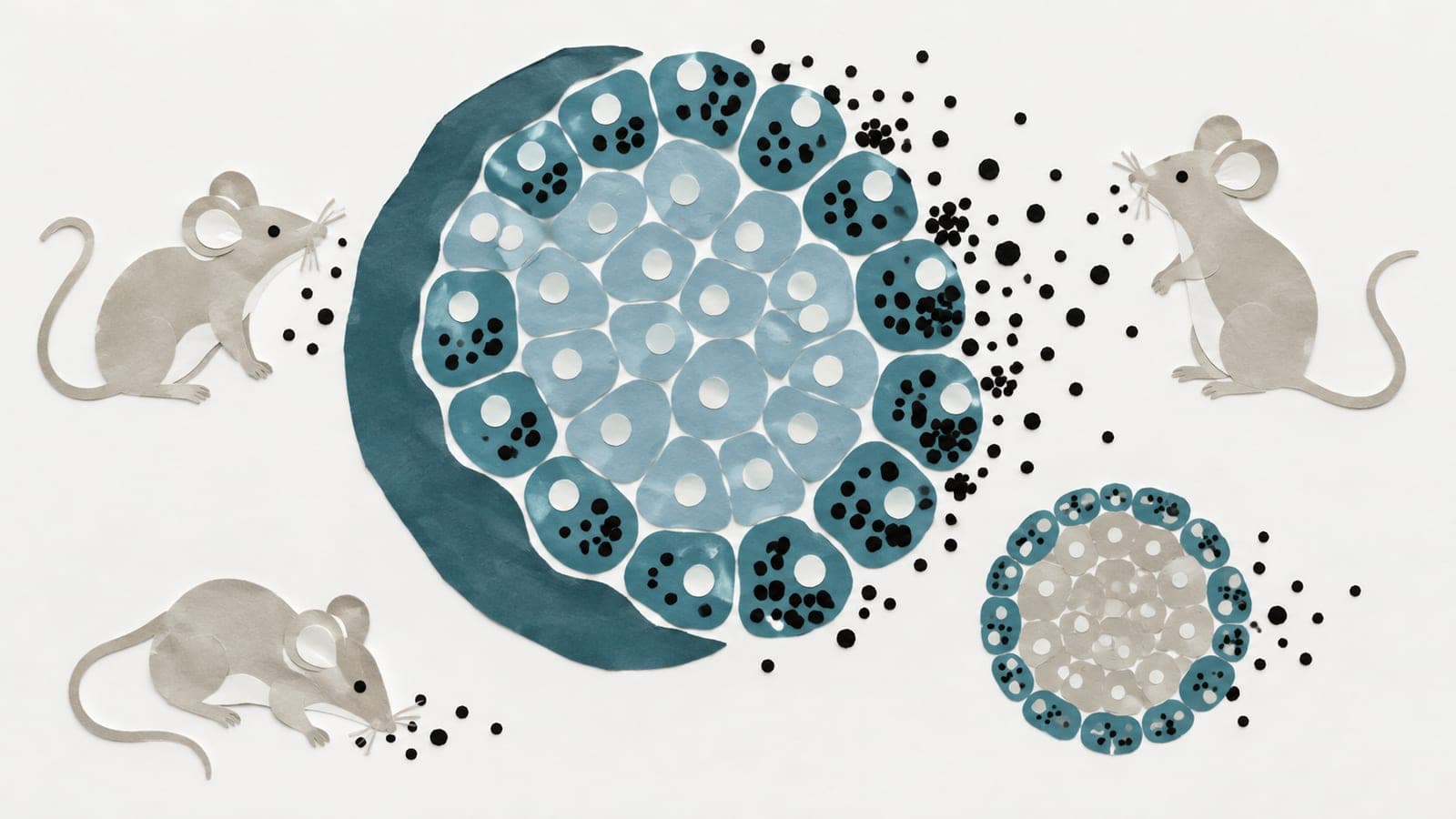
Resveratrol has been found to improve ethanol-induced diabetes. Although pancreatic β-cell senescence-induced β-cell mass loss plays a critical role in the progression of diabetes, the exact mechanism by which resveratrol improves ethanol-triggered β-cell senescence and its role in ethanol-induced diabetes remains unknown. Male Sprague-Dawley rats were fed either control or ethanol liquid diets containing 2.4 g/kg·bw ethanol with or without 100 mg/kg·bw resveratrol for 22 weeks. Resveratrol decreased the ethanol-induced augmentation in senescence-associated β-galactosidase (SA-β-gal)-positive area and attenuated reduction in β-cell mass, which were based on elevated levels of SIRT1 and proliferation marker Ki67 and reduced levels of senescence-associated markers (p-p38MAPK and p16INK4a). Similarly, resveratrol rescued the reduction in NAD⁺/NADH ratio and SIRT1 and inhibited the upregulation of p-p38MAPK and p16INK4a in ethanol-treated INS-1 cells. Furthermore, supplementation with NAD⁺ inducer nicotinamide mononucleotide, SIRT1 activator SRT1720 or p38MAPK inhibitor SB203580 effectively reversed ethanol-induced β-cell senescence, while supplementation with SIRT1 inhibitor Ex527 or NAD⁺ inhibitor FK866 abrogated resveratrol-mediated antisenescence effects in INS-1 cells. Together, our results indicate that resveratrol improves ethanol-triggered β-cell senescence and consequently recovers β-cell mass loss by inhibiting p38MAPK/p16 pathway through an NAD⁺/SIRT1 dependent pathway.
The paper
Luo G, Xiao L, Wang D et al.
The Journal of Nutritional Biochemistry, Dec 14, 2020