Infrequent dental care linked to faster cognitive decline
Over 14 years, older adults with low or declining dental visits lost an extra 0.75 and 0.60 cognitive points against 2.29 points in regular users.
Frontiers in Public Health
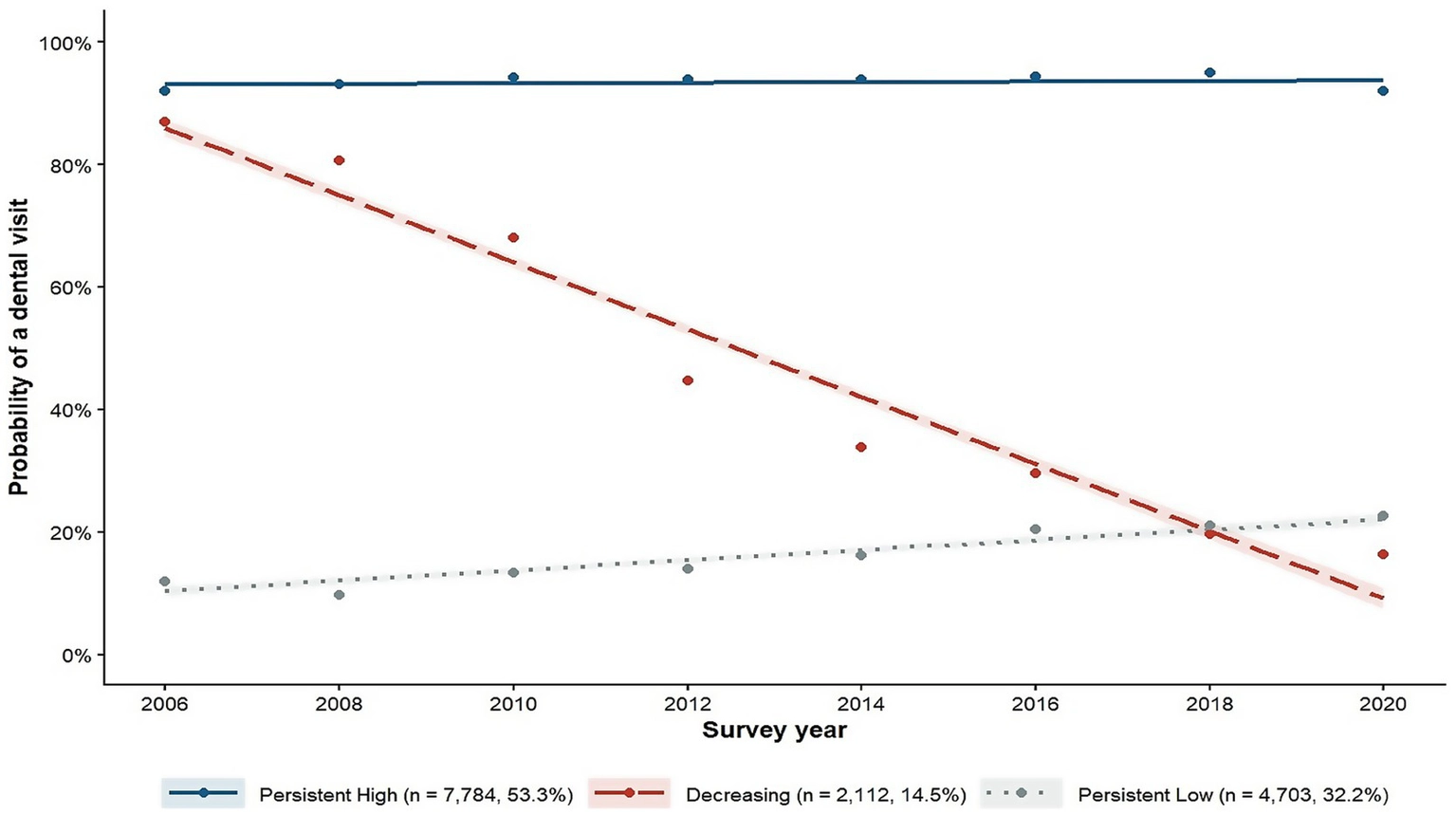
An observational cohort study tracked 14,599 adults aged 50 years or older at baseline over 14 years in the United States. Researchers analysed dental visits across eight biennial surveys from 2006 to 2020, sorting participants into persistent high users, decreasing users, and persistent low users. Cognitive function was measured using a 27-point summary score. Compared with regular users, people with persistently low or decreasing visits showed faster cognitive decline over time. The difference in decline between the low and decreasing groups was not statistically significant. Worsening limitations in basic daily activities accounted for 9.3% of the association in the decreasing group and 11.6% in the persistently low group.
Why it matters
Monitoring routine health behaviours in older people may help researchers detect early signs of functional vulnerability and cognitive aging. Because dental attendance is recorded in surveys and insurance claims, shifts in care patterns could serve as accessible markers for declining health.
Caveats
Because this was an observational study, the findings cannot determine whether missing dental care causes cognitive decline. The study also relied on survey responses, and unmeasured socioeconomic factors or general medical access may influence both dental attendance and cognitive performance.
- Dental care utilization
- 27-point cognitive summary score
- Activities of daily living limitations
- Self-rated health
- Humans
The paper
Chonnam National University · Dankook University
Frontiers in Public Health · 24 Sep 2026