Hormone replacement therapy (TRH) in quality of life and disease risk in climacteric and postmenopausal women
Abstract
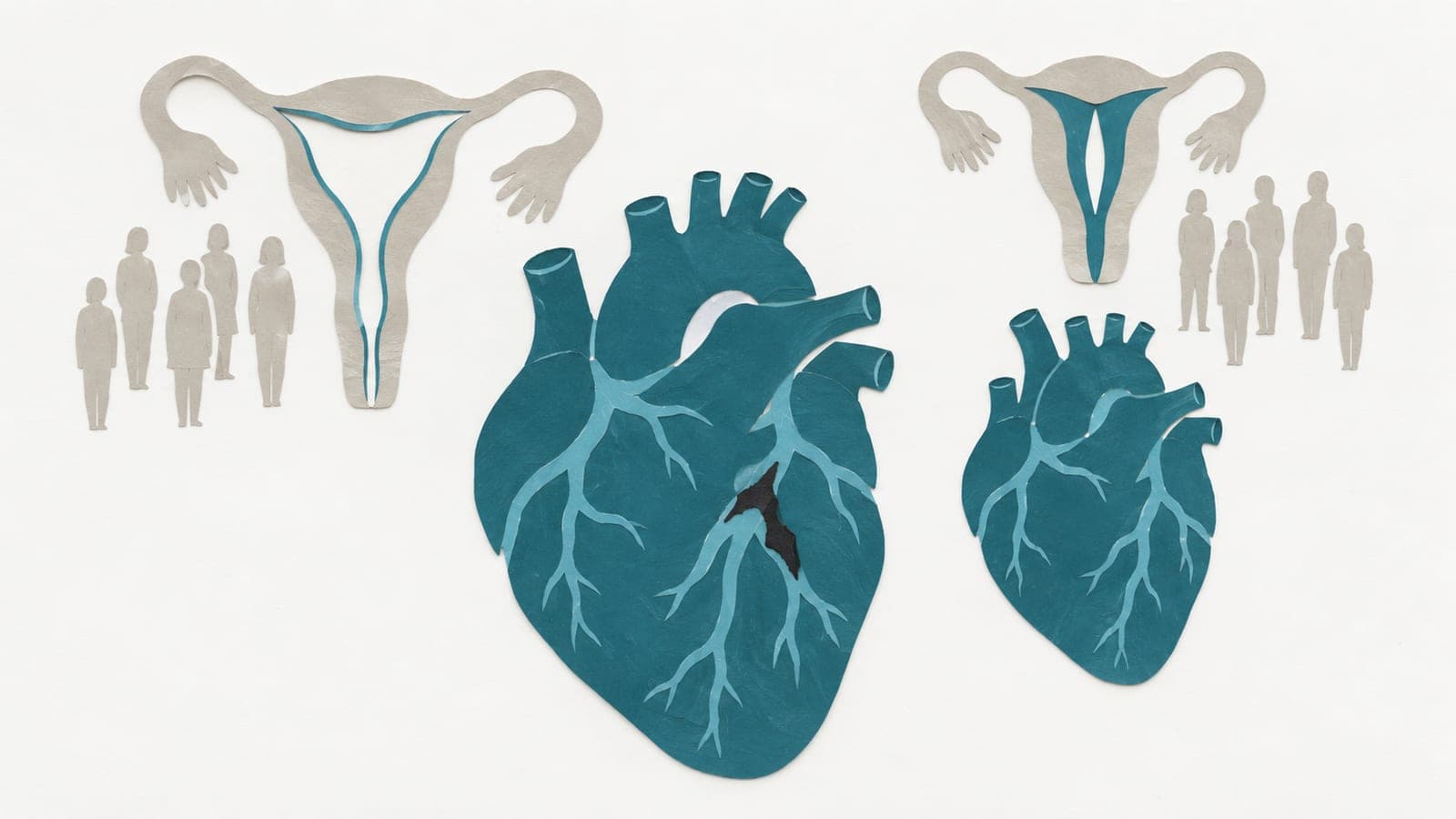
Introduction: Climacteric and postmenopause are phases marked by estrogen decline and significant repercussions on women’s physical, emotional, and metabolic health. Hormone Replacement Therapy (HRT) is widely used to reduce vasomotor symptoms, improve quality of life, and prevent conditions associated with hypoestrogenism. This study aimed to analyze the effects of HRT on quality of life and the risks of cardiovascular disease and osteoporosis in climacteric and postmenopausal women. Methodology: A bibliographic review was conducted using the PubMed database, with Portuguese and English descriptors related to menopause, hormone therapy, and women’s health. Articles published between 2020 and 2025, available in full and free of charge, were included. A total of 46 studies were identified, and after applying inclusion and exclusion criteria, 10 articles were selected for final analysis. Results: Results show that HRT effectively reduces hot flashes, night sweats, sleep disturbances, and mood changes. Evidence also indicates cognitive benefits, particularly when therapy is initiated early, especially among women at higher risk for neurological decline. Regarding bone health, HRT demonstrated protective effects on bone mineral density and fracture prevention. However, HRT is associated with increased risks of venous thromboembolism, stroke, breast cancer, and endometrial cancer, especially when started after age 60 or more than 10 years after menopause onset, supporting the “timing hypothesis”. Conclusion: In conclusion, HRT can significantly improve quality of life and provide additional health benefits when used in an individualized manner, initiated at the appropriate time, and monitored by specialized healthcare professionals, ensuring an optimal risk-benefit balance for each patient.