Hearing problems tied to multiple diseases in Chinese adults 40 and up
Chinese participants aged 40 and up reporting fair or poor hearing had 1.42 times the odds of at least two chronic conditions versus those reporting better hearing.
Our read
Biomarkers- Studied:
- Cross-sectional study of 15,842 Chinese middle-aged and older adults (Dose-response, independent replication)
- What changed:
- Adults reporting hearing impairment had higher odds of multiple chronic diseases than those without impairment (OR = 1.42)
- The catch:
- Smoking, noise exposure, diet, and healthcare access were unmeasured potential confounders
Editor of record: Boris Djordjevic · AgingResearch.News
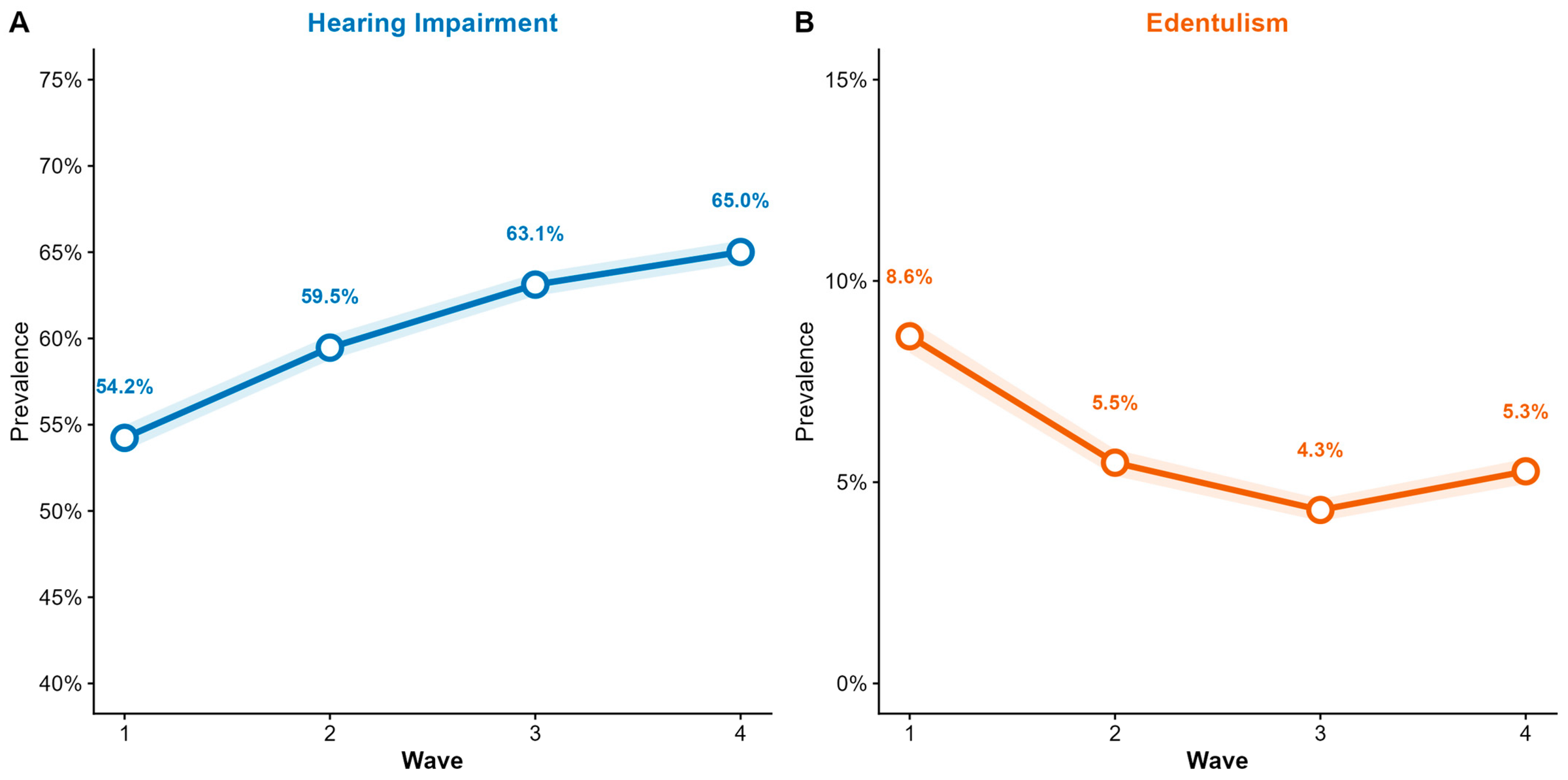
Chinese adults aged 45 and older, plus additional respondents aged 40–44, were studied in an observational cohort analysis covering 2011–2018. The baseline analysis included 15,842 participants. Researchers classified self-rated fair or poor hearing as impairment and examined its association with having multiple chronic diseases.
The association remained after adjustment for age, sex and other measured factors. Among 9,936 Chinese participants initially without multiple chronic conditions, hearing impairment was also linked to having two or more conditions by 2018. The adjusted odds were 1.28 times those of participants reporting better hearing. An analysis of 22,890 US adults found a similar association with coexisting conditions. Complete tooth loss showed no consistent independent association with multiple chronic diseases after accounting for age.
Why it matters
Age-related hearing problems may offer a low-cost way for primary care clinicians to flag coexisting chronic diseases, as the authors propose.
Caveats
Hearing was self-rated, and unmeasured differences in participants’ health could help explain the association. The Chinese sample did not include adults under 40, and the analysis did not test whether treating hearing problems reduced disease.
From the paper
- Participants
… the Wave 1 cross-sectional analytic sample comprised 15,842 participants after excluding those with missing covariates (Supplementary Table S1 and Supplementary Table S2; Supplementary Figure S1).
- Result
In fully adjusted models, self-reported hearing impairment was positively associated with multimorbidity (two or more conditions: OR = 1.42, 95% CI 1.31–1.53; three or more: OR = 1.43, 95% CI 1.28–1.60) (Table 3; Figure 3).
Results, 3.2. Self-Reported Hearing Impairment and Multimorbidity
Quoted word for word from the full text on mdpi.com.
- Hearing impairment
- Edentulism
- Incident multimorbidity
- Multimorbidity
- Self-reported hearing impairment
- Humans
The paper
The First Affiliated Hospital of Anhui Medical University
Healthcare, Nov 6, 2026, Open access, CC BY


Comments
Be the first to comment.