Young-donor cell packages better eased osteoarthritis in mice
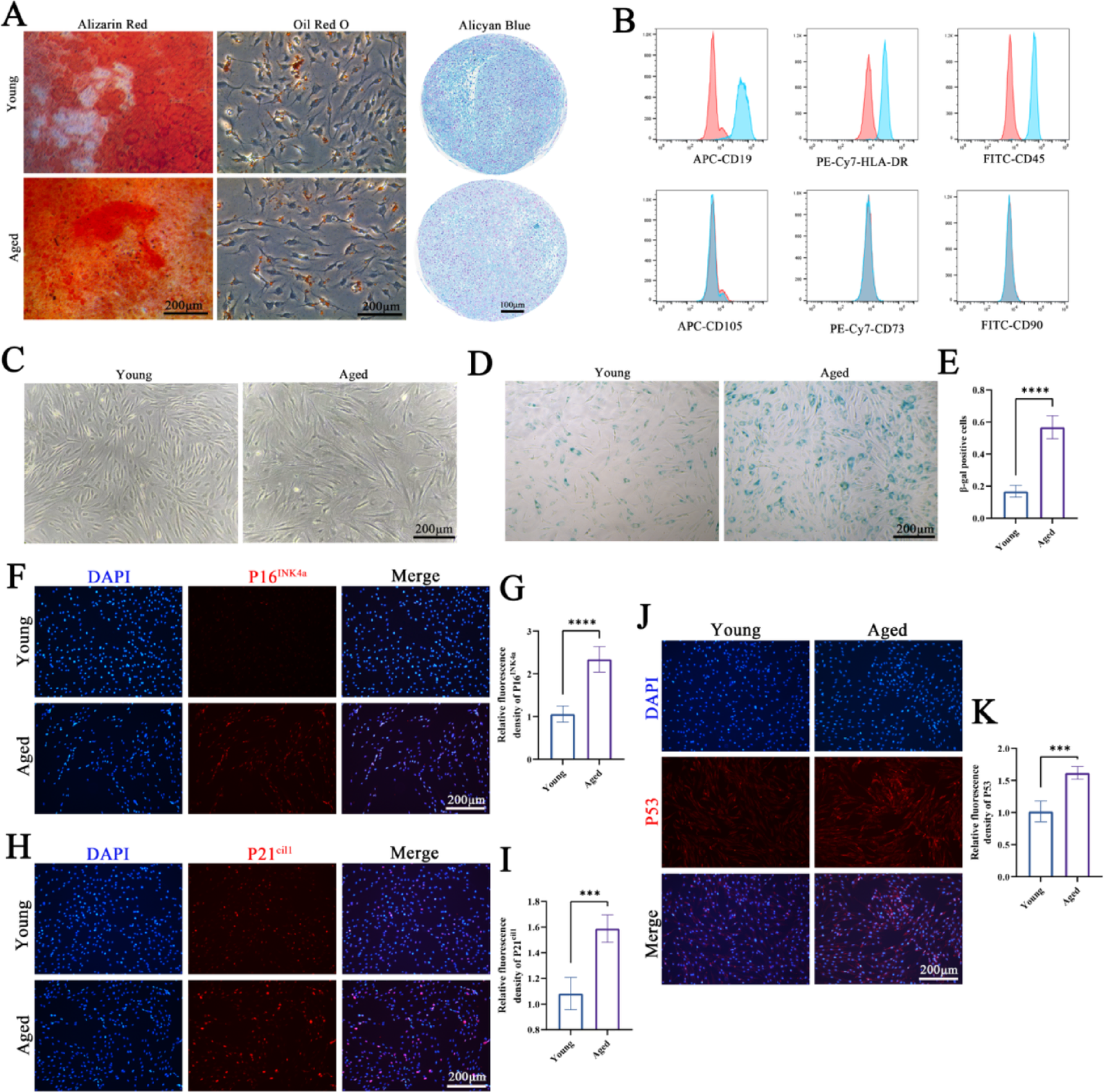
An experiment in male mice with surgically induced disease compared packages released by human joint-lining stem cells from young and aged donors.
Our read
Interventions- Studied:
- Experiments in male mice with induced osteoarthritis, against mice given aged-donor exosomes
- What changed:
- Walking improved more in mice given young-donor exosomes than in mice given aged-donor exosomes
- The catch:
- Only male mice were studied; treatment effects could differ in female mice
Editor of record: Boris Djordjevic · AgingResearch.News
Male mice with surgically induced osteoarthritis received exosomes—tiny packages released by human joint-lining stem cells—in an animal experiment. Packages from young donors reduced cartilage damage, bony outgrowths and pain-related behavior more effectively than those from aged donors.
In injured human cartilage cells grown in the lab, young-donor packages also promoted cell growth and movement and restored mitochondrial function more effectively. Mitochondria supply cells with energy. The researchers identified miR-10a-5p, a small RNA molecule that regulates gene activity, as a candidate contributor enriched in young-donor packages. The authors concluded that this RNA suppressed a protein called CRTAC1, helping restore mitophagy—the removal of damaged mitochondria—and the balance of materials surrounding cartilage cells.
Why it matters
For osteoarthritis, an age-related joint disease, the findings offer a rationale for considering donor age and engineering RNA cargo when developing therapies based on cell-released packages.
Caveats
The joint-damage results came from male mice with surgically induced osteoarthritis. These experiments do not show whether the packages would benefit people with the disease.
The paper
Journal of Nanobiotechnology, Nov 16, 2026, CC BY-NC-ND

Comments
Be the first to comment.