Health literacy and successful aging among elderly patients at Kasr Alainy Hospital: a cross-sectional comparative study
Abstract
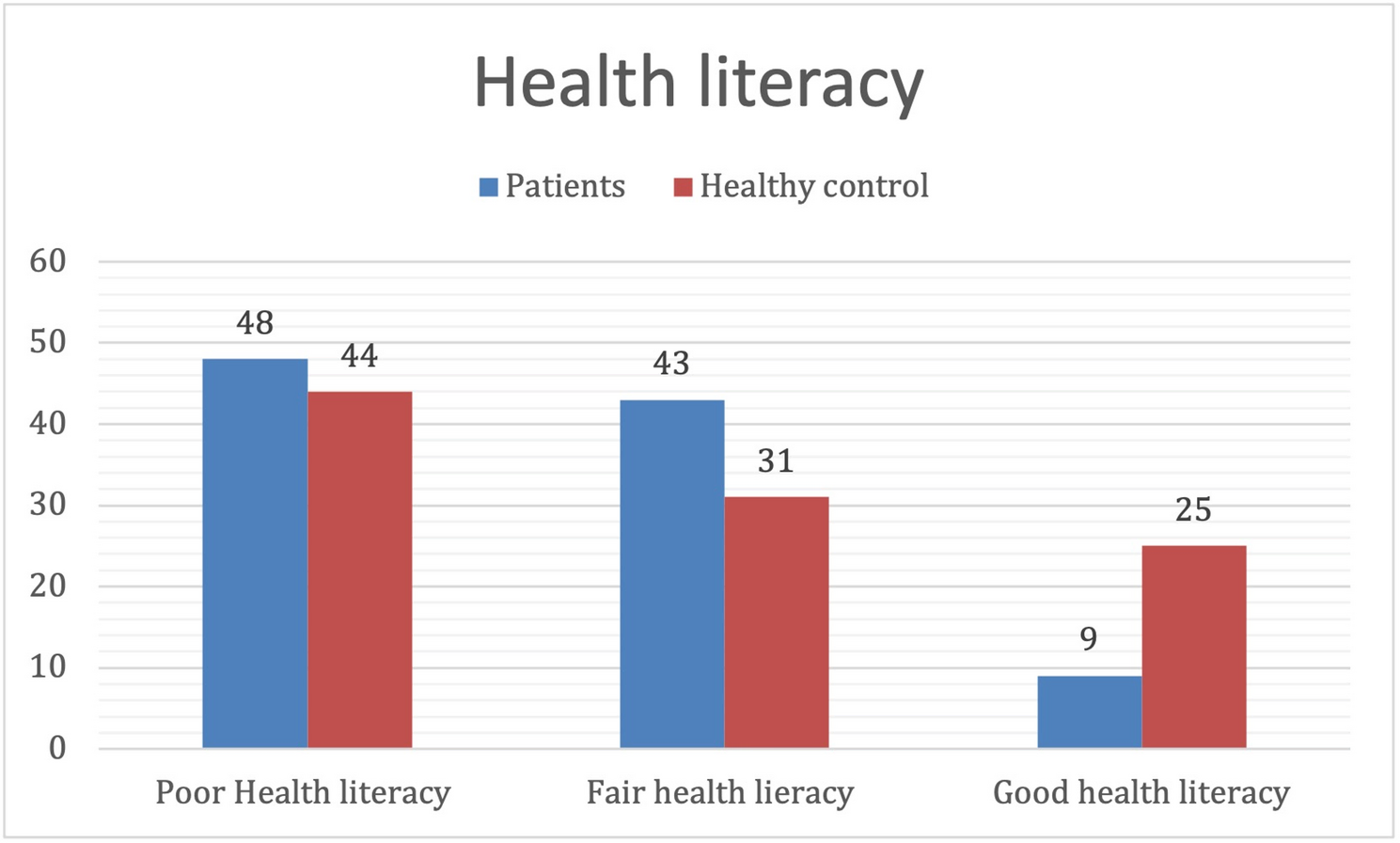
Background: Population aging and chronic disease burden are increasing in Egypt. Health literacy (HL) may play a key role in promoting successful aging (SA), but evidence is limited. Aim: To assess HL and SA and examine their association among elderly patients at Kasr Alainy Hospital. Methods: A cross-sectional comparative study of 246 participants (123 patients with chronic diseases and 123 healthy controls) aged ≥ 65 years was conducted using the Health Literacy Questionnaire and Successful Aging Scale. Results: Patients had significantly lower HL and SA scores than controls ( p < 0.001). HL was positively correlated with SA ( r = 0.612, p < 0.001) and remained the strongest independent predictor in regression analysis. Higher education and income improved SA, while age, rural residence, and smoking negatively affected it. Conclusion: Future research should employ longitudinal designs, community-based probability sampling, fully validated Arabic versions of the instruments with reported psychometrics in the study population, and, ultimately, randomized evaluations of health-literacy interventions to establish whether improving HL improves successful-aging outcomes. Health literacy is strongly associated with successful aging among older adults in Egypt. Higher health literacy is associated with better aging outcomes; interventions to improve HL may therefore be beneficial.