Diabetes drugs linked to lower death risk in lung hypertension
Compared with another diabetes drug class, glucagon-like peptide-1 receptor agonists were linked to a lower rate of death over time (hazard ratio 0.56).
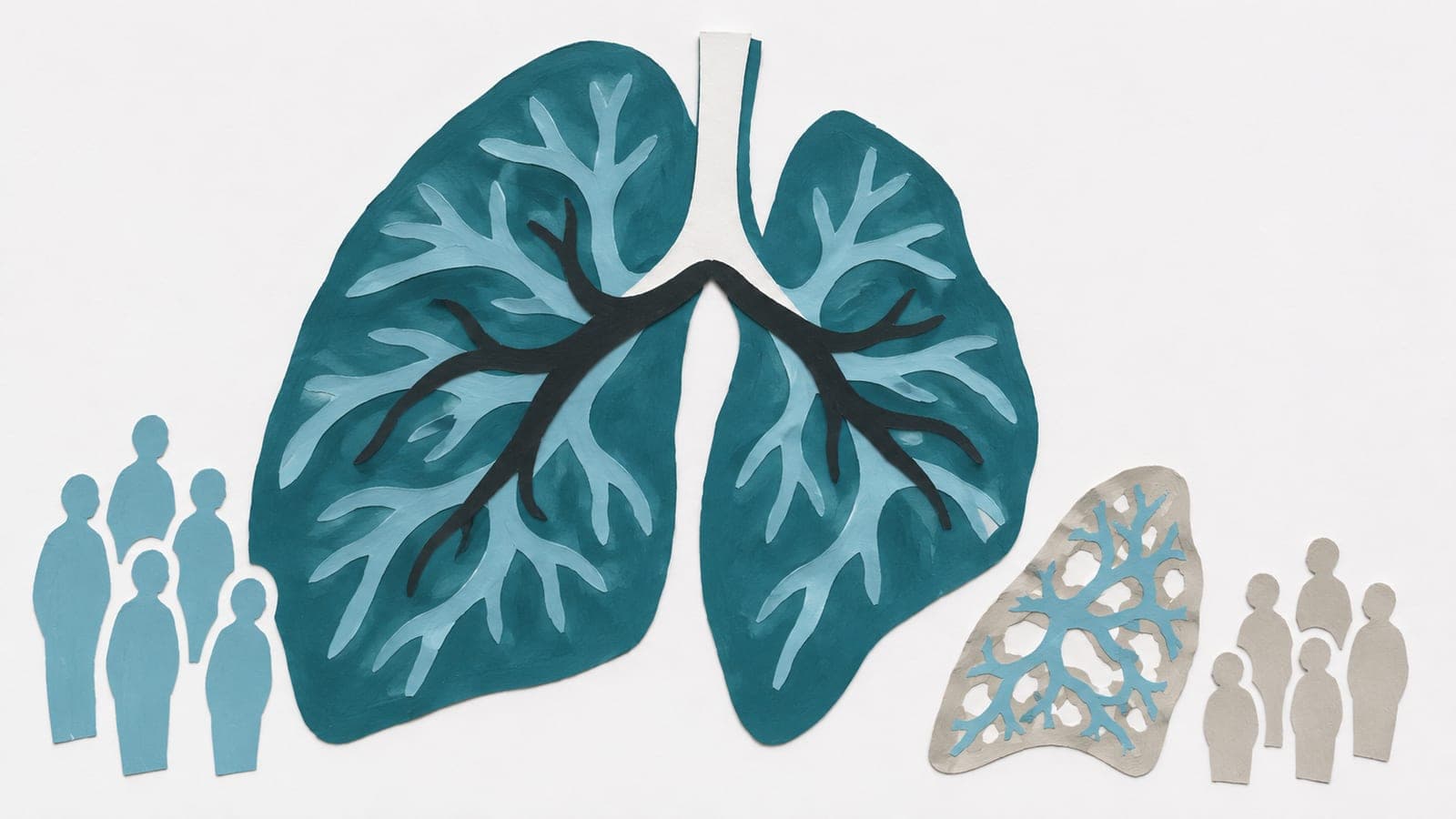
Our read
Interventions- Studied:
- Cohort study of adults with non-Group 2 pulmonary hypertension, 3-year follow-up
- What changed:
- Death from any cause was lower with glucagon-like peptide-1 receptor agonists than with dipeptidyl peptidase-4 inhibitors (hazard ratio 0.56)
- The catch:
- Unrecorded health differences or prescribing decisions could explain the lower death risk
- In the record:
- The 1,357th paper on GLP-1 receptor agonists with results in people; 4,739 on record in all. Its result on mortality agrees with 184 of 204 other findings on record; 1 points the other way and 19 found no change.
- Why it’s aging research:
- It studies an intervention with evidence of extending healthy life.
Editor of record: Boris Djordjevic · AgingResearch.News
Adults with non-Group 2 pulmonary hypertension—high blood pressure in the lungs’ blood vessels not due to left-sided heart disease—were compared in a retrospective observational study using health records. Patients started either glucagon-like peptide-1 receptor agonists or dipeptidyl peptidase-4 inhibitors within one year of diagnosis. Both are diabetes drug classes.
Of 13,114 eligible patients, the researchers matched 3,493 in each group on recorded characteristics and medications. They assessed outcomes over three years after a one-year starting point. Glucagon-like peptide-1 receptor agonists were associated with lower rates over time of death, hospitalization, respiratory failure, intensive care admission and mechanical ventilation, or machine-assisted breathing. The hazard ratio for death was 0.56 compared with dipeptidyl peptidase-4 inhibitors—a relative comparison, not an absolute difference in the proportion who died.
Why it matters
Pulmonary hypertension threatens long-term survival and health through progressive respiratory failure and other serious illness. The authors suggested that these drugs may offer an additional treatment strategy and called for randomized testing.
Caveats
Differences in health or prescribing not captured in the records may have contributed to the associations despite matching. Reported as a conference abstract, the analysis excluded people with heart failure, cardiomyopathy, significant valve disease or prior structural valve procedures.
- GLP-1 receptor agonists
- GLP-1 and incretin signaling
- Pulmonary hypertension
- Acute respiratory failure
- Critical illness
- Humans
The paper
Hamad Med Corp
AHA Scientific Sessions 2026 Abstract, Nov 2, 2026
Presented at AHA Scientific Sessions 2026, abstract 16183



Comments
Be the first to comment.