Frailty linked to hospital harm in catheter mitral edge-to-edge repair
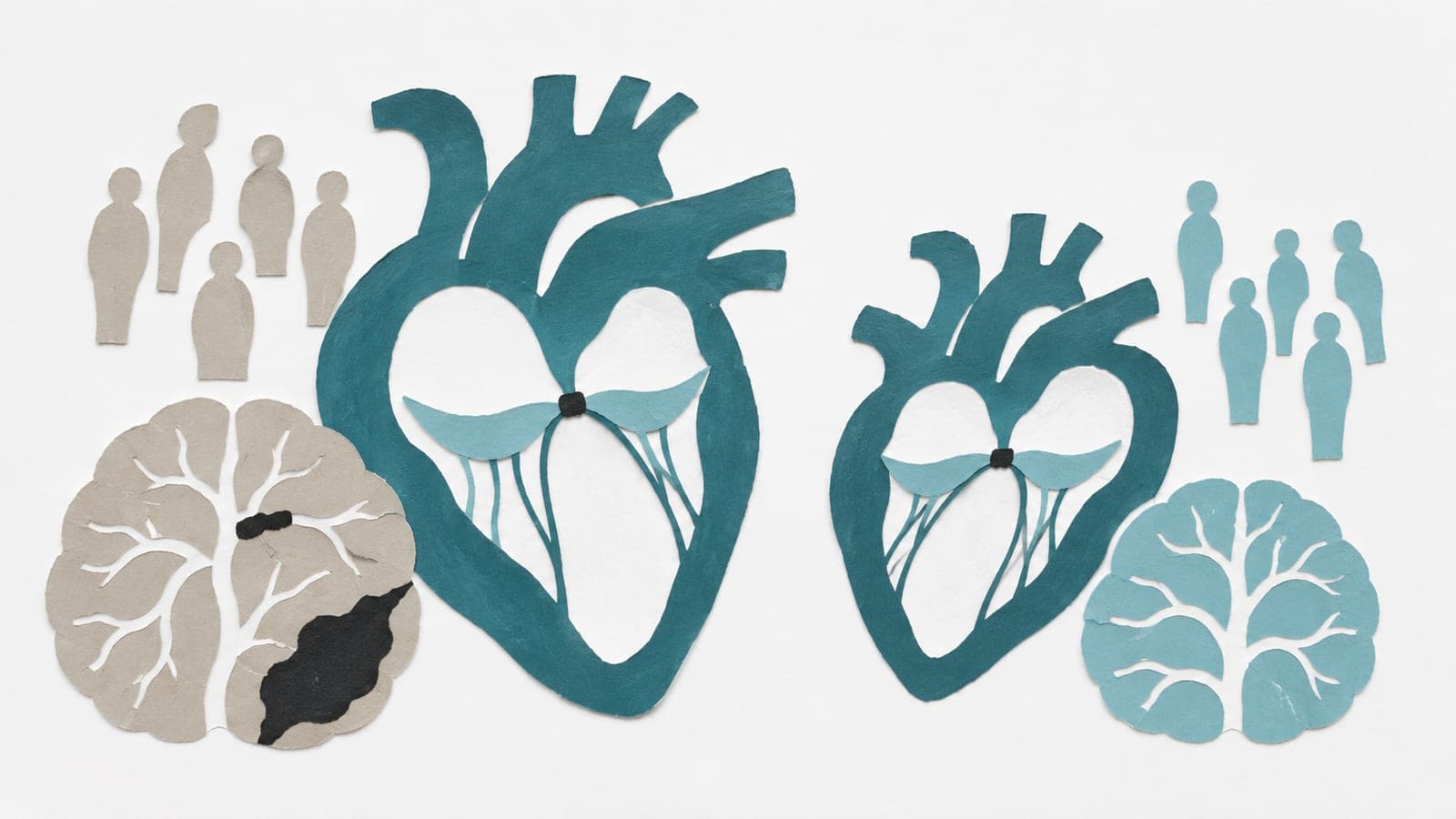
Adverse hospital events occurred in 33.0% of hospitalizations with frailty versus 5.1% without frailty for catheter-based mitral valve edge-to-edge repair.
Our read
Biomarkers- Studied:
- Cohort study of 60,165 adult hospitalizations for mitral valve edge-to-edge repair, hospital stay
- What changed:
- Hospital complications occurred in 33.0% of hospitalizations with frailty versus 5.1% without frailty
- The catch:
- Frail patients had more coexisting illness and non-elective admissions, potentially explaining some outcome differences
- Why it’s aging research:
- It measures an outcome that worsens with age.
Editor of record: Boris Djordjevic · AgingResearch.News
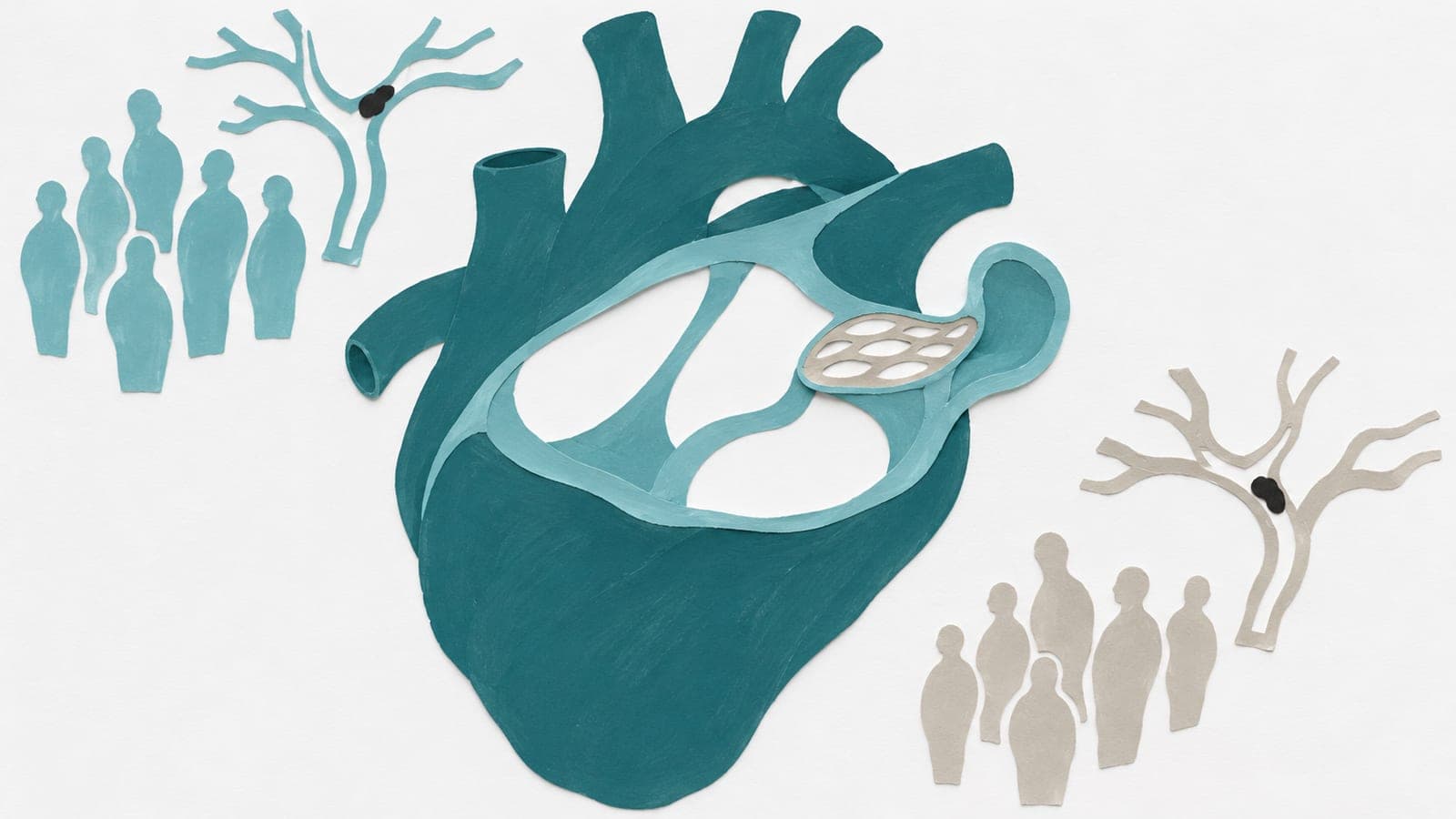
Adults undergoing catheter-based edge-to-edge repair of the mitral valve, between the heart’s two left chambers, accounted for 60,165 US hospitalizations in an observational analysis. The analysis used the Nationwide Inpatient Sample from 2017–2022. A hospital-record frailty score classified 15,525 hospitalizations, or 25.8%, as involving frailty.
The combined outcome included death, stroke from a blocked blood vessel, bleeding in the brain, shock caused by inadequate heart pumping, major bleeding or blood transfusion. After adjustment for age, sex and other patient and hospital factors, the frail group had 6.43 times the odds of this outcome compared with the non-frail group. Unadjusted death rates were 6.2% versus 0.3%. Frailty was also associated with hospital stays 5.2 days longer and costs $23,445 higher, measured in 2022 dollars.
Why it matters
Frailty is a concern in aging that may inform decisions about heart procedures. The authors suggest that assessing it through hospital records may improve procedural risk estimates, patient counseling and resource planning.
Caveats
Frailty was defined by an administrative score, and the frail group had more coexisting illness and non-elective admissions, which may partly account for the differences. The findings were reported in a conference abstract and covered only the hospital stay.
The paper
Central Park Med College; Altai State Med Univ
AHA Scientific Sessions 2026 Abstract, Nov 2, 2026
Presented at AHA Scientific Sessions 2026, abstract 14677



Comments
Be the first to comment.