Heart transplant survival was similar after two types of donation
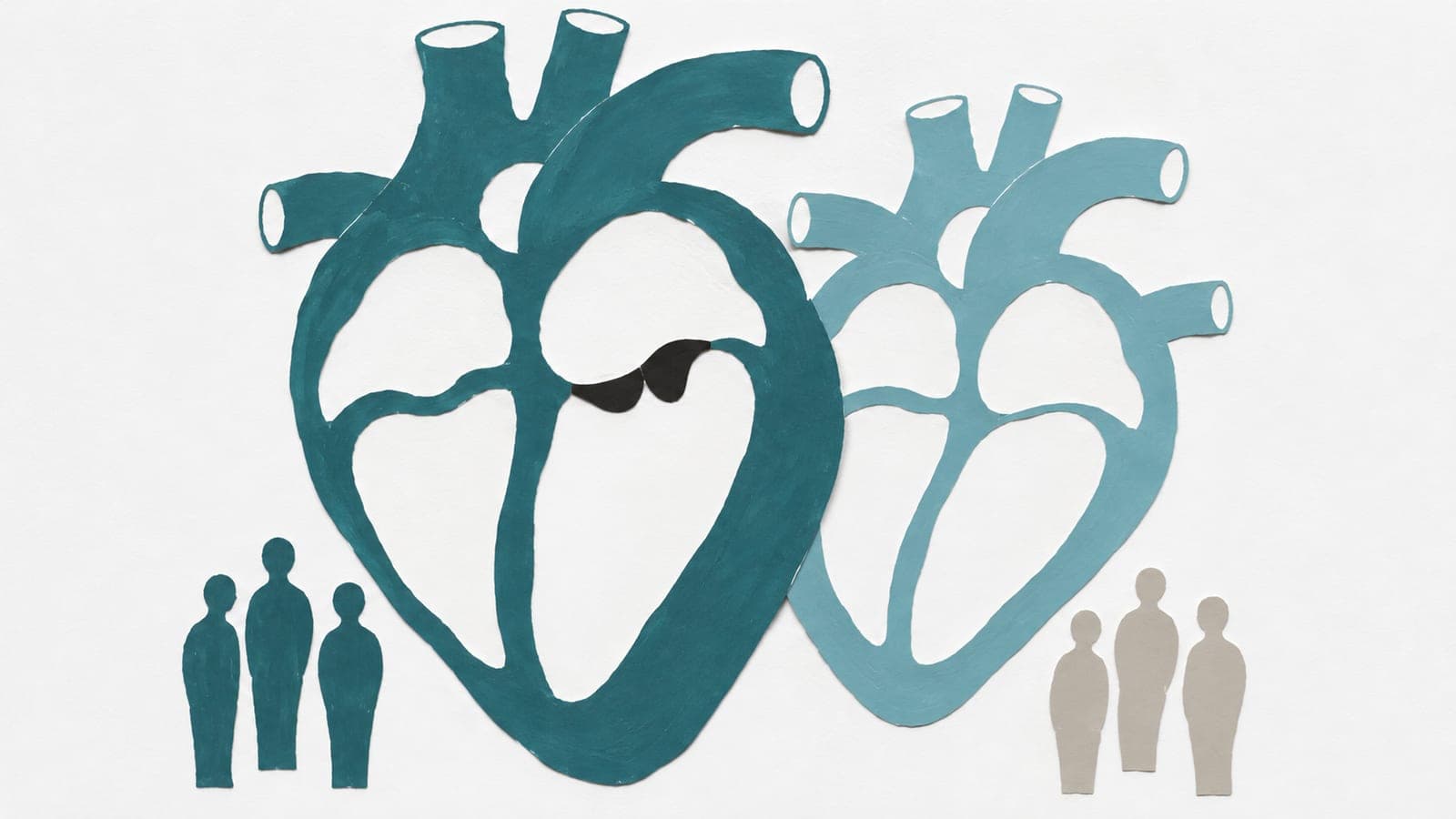
Five-year mortality was similar after circulatory-death versus brain-death donation, with a hazard ratio of 0.99 comparing death rates over time.
Our read
Interventions- Studied:
- Cohort study of 21,970 adult heart transplant recipients, five years, against DBD recipients
- What changed:
- Five-year mortality did not differ between circulatory-death and brain-death donation (unadjusted HR, 0.99; 95% CI, 0.87-1.13)
- The catch:
- The abstract did not give the donor-age range to inform specific age cutoffs
- Why it’s aging research:
- It looks at how biology varies with age or lifespan.
Editor of record: Boris Djordjevic · AgingResearch.News
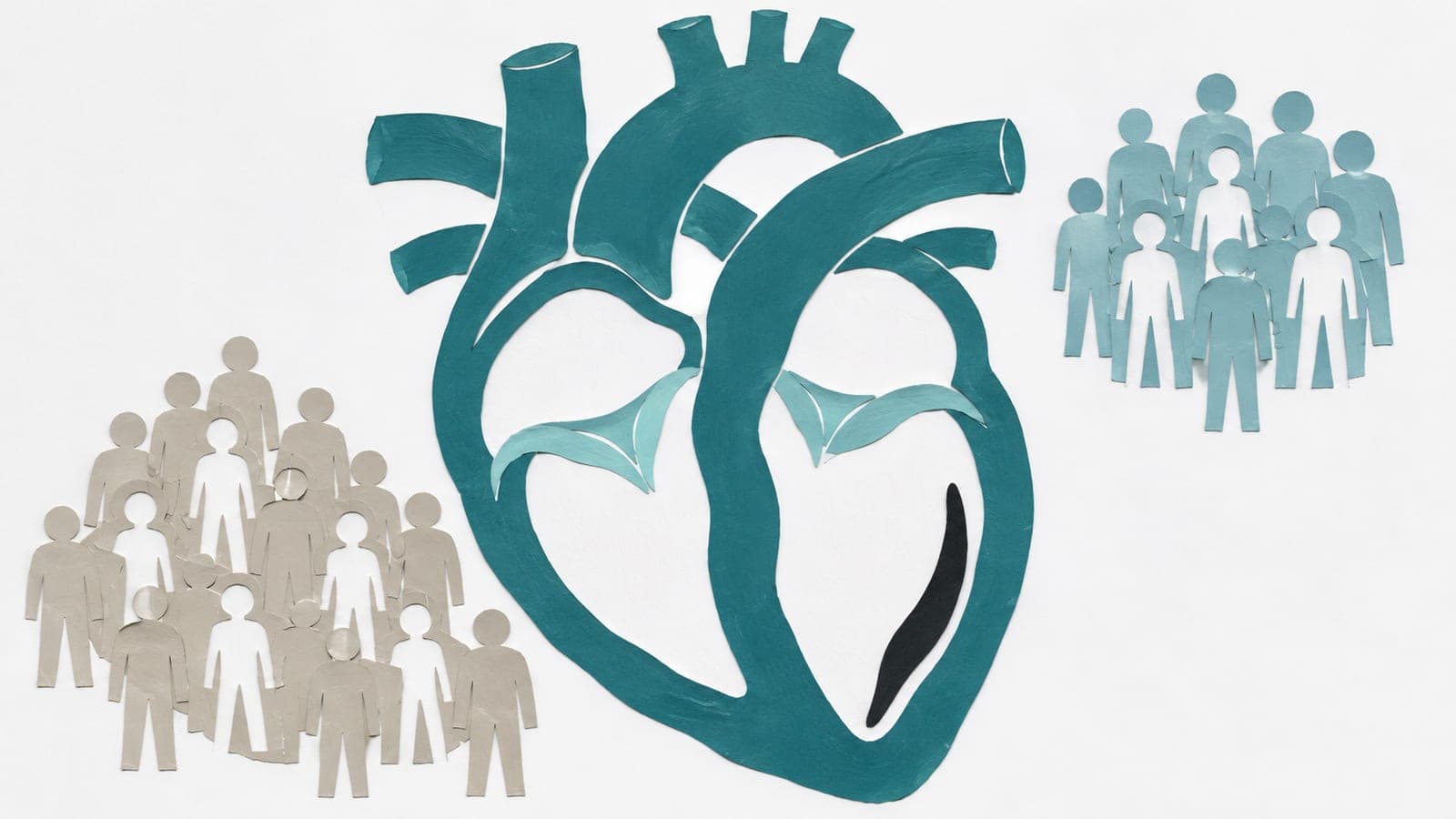
The observational registry analysis included 21,970 adults with follow-up after a first heart-only transplant from 2019 through 2025. Of these, 2,698 received hearts donated after circulation stopped rather than after brain death. Models accounted for several donor and recipient characteristics. Survival was similar at one and five years.
Donor age did not significantly change the one-year association. At five years, increasing donor age was associated with a more favorable relative death rate for circulatory-death donation compared with brain-death donation. Dialysis, a procedure that filters the blood, was more frequent after circulatory-death donation: 20.4% versus 16.0%. Stroke, permanent pacemaker implantation and treated rejection did not differ between groups.
Why it matters
Early programs limited circulatory-death donors to under 40 over concerns that interrupted blood flow could worsen age-related cardiovascular changes. The authors said the findings support continued evaluation of donor-age limits.
Caveats
The registry comparison could not rule out differences in donor or recipient selection beyond the factors included in the models. The conference abstract did not give the donor-age range, limiting how precisely the results inform age cutoffs.
- Donation after circulatory death heart transplantation
- Stroke
- Transplant rejection
- Graft failure
- One-year graft failure
- Humans
The paper
Beyond the Age Threshold: Outcomes of Donation After Circulatory Death Heart Transplantation
University of Miami
AHA Scientific Sessions 2026 Abstract, Nov 2, 2026
Presented at AHA Scientific Sessions 2026, abstract 14570
Comments
Be the first to comment.