Sarcoplasmic Reticulum Ca ²⁺ Leak Drives Arrhythmogenesis During In Vivo Maturation of Stem Cell-Derived Cardiomyocytes
Abstract
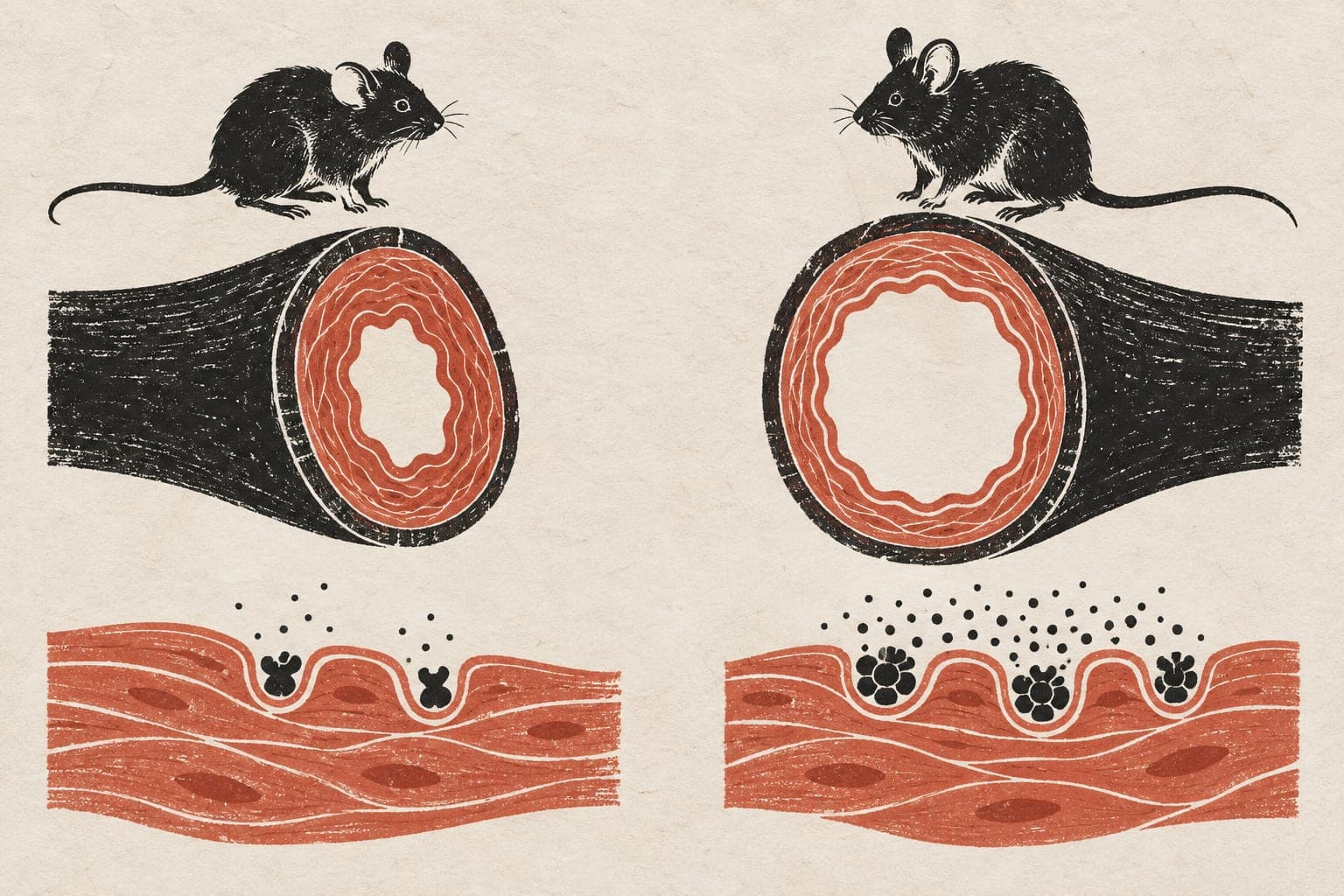
Heart regeneration via transplantation of human induced pluripotent stem cell-derived cardiomyocyte (hiPSC-CMs) holds significant clinical potential. However, a transient, yet severe, period of ventricular arrhythmia, termed engraftment arrhythmia (EA), has limited bench-to-bedside translation. EA begins ~1-week post-transplant and persists for ~1-month, coinciding with the period when transplanted cells form intercellular connections to host myocardium but have not fully matured. Immature hiPSC-CMs display automaticity similar to sinoatrial nodal cells where pacemaker activity is regulated by sarcolemmal ion channel currents and spontaneous sarcoplasmic reticulum (SR) calcium (Ca ²⁺ ) leak. In this study, we hypothesize that dysfunctional excitation-contraction (EC) coupling and aberrant SR Ca ²⁺ leak are mechanistic drivers of EA. To test this, WTC-11 hiPSC-CMs were generated that stably express the cytosolic Ca ²⁺ sensor jGCaMP8f and a membrane targeted RFP. hiPSC-CMs were transplanted into a rat acute myocardial infarction model to mature in-vivo. Cells were re-isolated for experiments after 1 week, coinciding with arrhythmia onset, and after 4 weeks, when arrhythmias terminate. We found hiPSC-CMs remain morphologically immature even after 4-weeks in-vivo. Surprisingly, compared to cells in-vitro, the cells re-isolated at 1-week showed significantly impaired Ca ²⁺ dynamics including ~3-fold reduction in Ca ²⁺ transient amplitude and slower kinetics which recovered by 4-weeks. And only ~20% of the non-transplanted or 1-week re-isolated cells adhered to 1 Hz pacing at room temperature compared to ~80% of the 4-week ex-vivo cells, suggesting more mature electrophysiology. High-spatiotemporal resolution Ca ²⁺ imaging revealed the 1-week ex-vivo hiPSC-CMs have a significant ~2-fold surge in Ca ²⁺ spark rate with a greater number of slowly terminating Ca ²⁺ sparks than in the non-transplanted or 4-week re-isolated cells. Single-cell resolution spatial transcriptomics revealed heterogeneity within grafts, with progressive maturation over time. These data suggest excess SR Ca ²⁺ leak and inefficient EC coupling promote EA early after cardiac cell therapy which improves as cells mature. Therapeutic strategies aimed at reducing SR Ca ²⁺ leak or promoting further maturation of hiPSC-CMs could potentially reduce arrhythmogenicity.
The paper
University of Washington; University of Southern California
AHA Scientific Sessions 2025 Abstract, 3 Nov 2025
Presented at AHA Scientific Sessions 2025, abstract 4366316