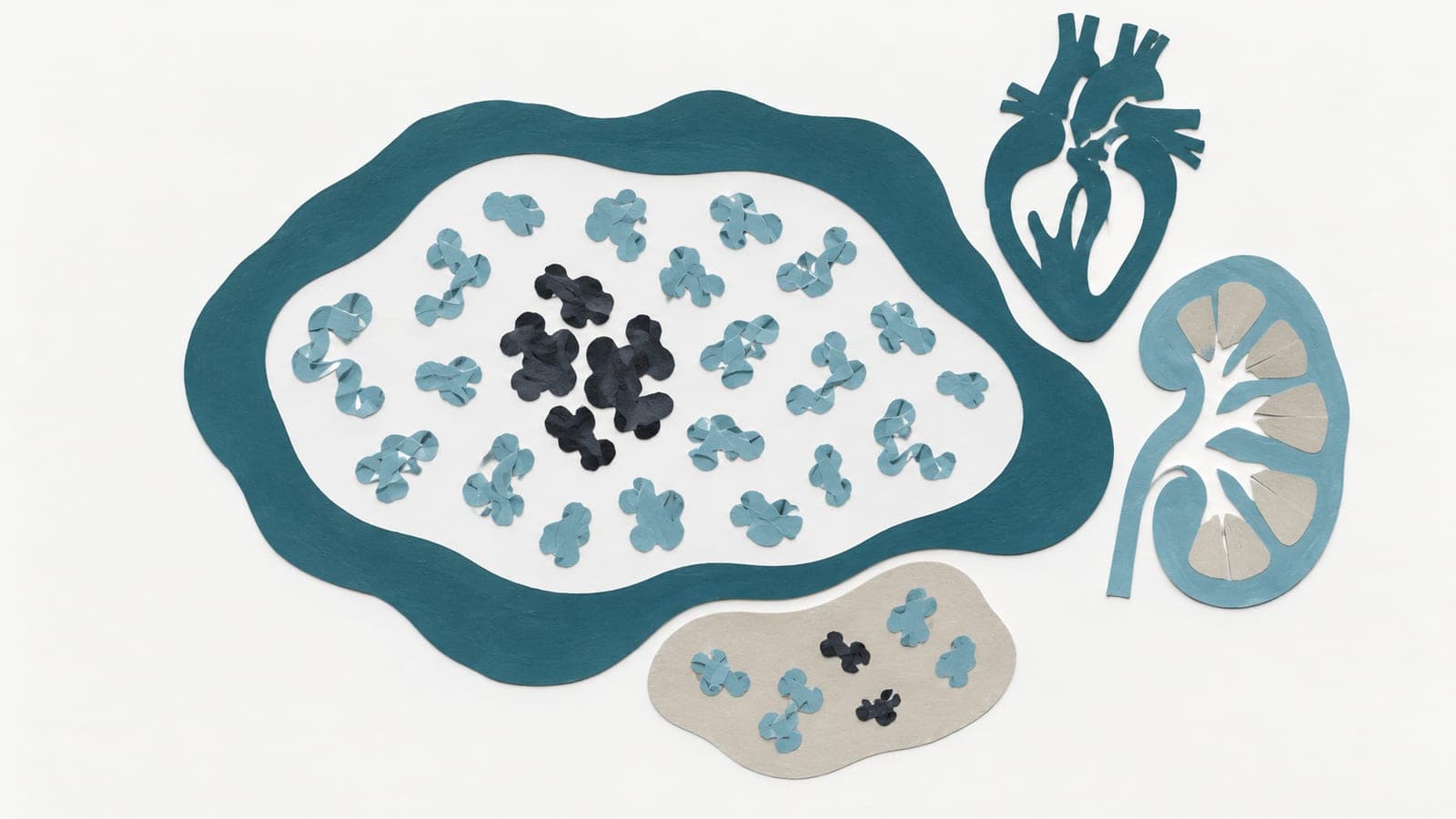
High blood sweetener levels linked to death risk in kidney disease
Death hazard ratios—comparisons of death rates over time—were 2.29 for erythritol and 1.99 for xylitol, comparing highest versus lowest blood-level quarters.
Edited by Boris Djordjevic · AgingResearch.News
In an observational cohort study, researchers analyzed blood samples collected at enrollment from 5,143 participants with chronic kidney disease. They measured erythritol and xylitol, two sugar substitutes, in the German Chronic Kidney Disease study. Participants were followed for a median of 10.5 years.
Participants in the highest blood-level quarter for either sweetener had higher risks of death, cardiovascular events and a combined measure of kidney disease progression than those in the lowest quarter. These links remained after adjustment for factors including age, diabetes, high blood pressure and starting kidney function. Adding both blood measurements to a clinical risk model improved its ability to distinguish and classify participants by risk.
Why it matters
Chronic kidney disease is a concern in later life. The findings support erythritol and xylitol as potential blood markers for assessing risk in people with this condition.
Caveats
This observational analysis assessed blood levels rather than sweetener consumption, so it cannot show that consuming either sweetener caused harm. The findings concern people with established chronic kidney disease and were reported in a conference abstract.
The paper
Charité - Universitätsmedizin Berlin
ESC Congress 2026 Abstract, Oct 26, 2026
Presented at ESC Congress 2026