Digital-style clock drawings may complicate cognitive testing
Digital-style patterns appeared in 45 of 560 cognitively healthy adults, prompting updated reference scores for interpreting the Clock Drawing Test.
Limit: Diagnostic misclassification with the proposed score adjustments was not measured in clinical samples
Edited by Boris Djordjevic · AgingResearch.News
In a cross-sectional study, 560 cognitively healthy adults aged 18–94, including 357 women, completed the Clock Drawing Test. Researchers scored their drawings using six established methods and developed updated reference scores, with optional adjustments for digital-style patterns.
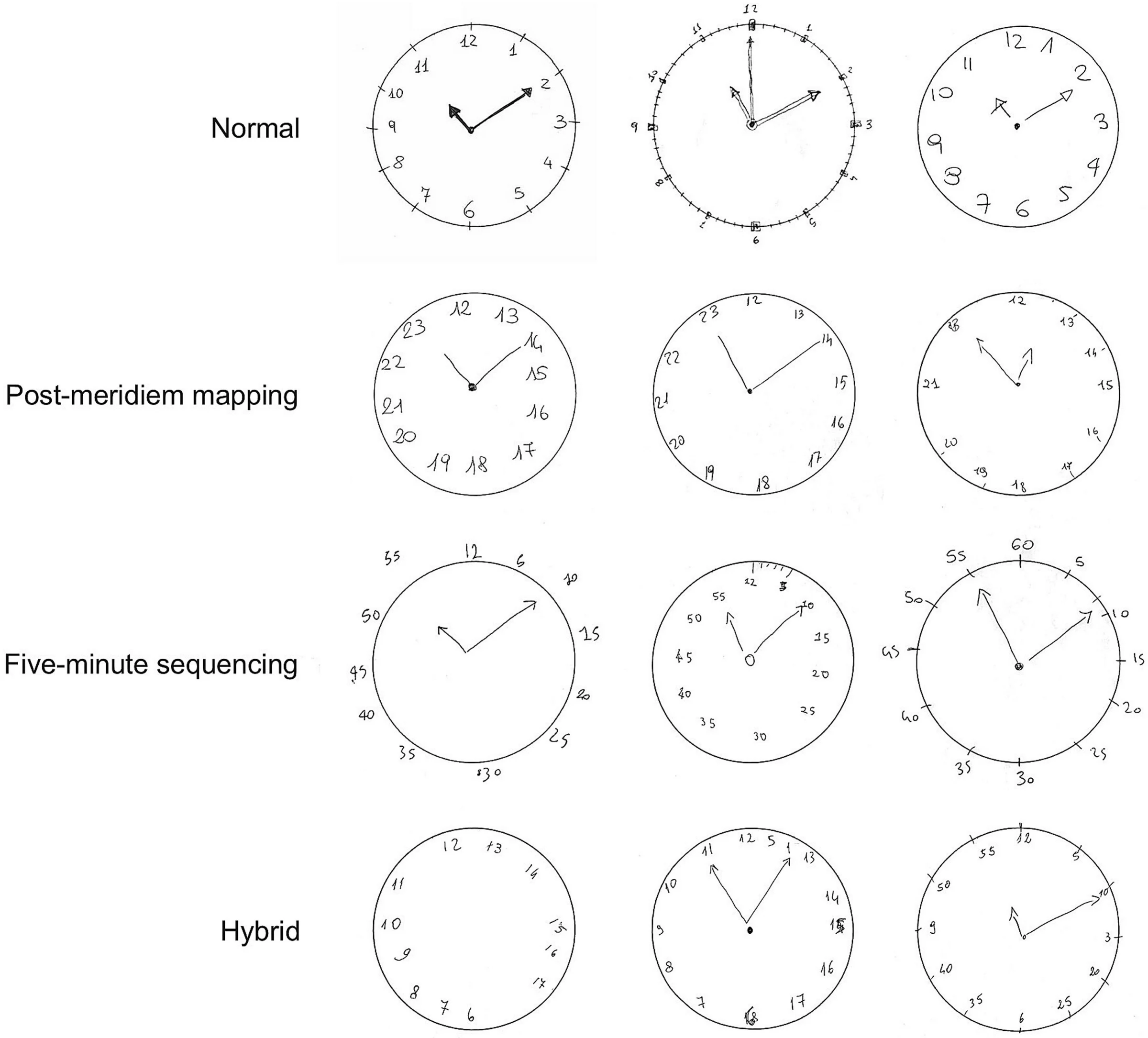
These patterns included numbering a clock in five-minute steps or using numbers such as 13–23. Forty-five participants (8%) produced such patterns, which were not associated with cognitive functioning. As age increased, more frequent use of digital devices to check the time was associated with poorer clock-drawing scores and a greater likelihood of digital-style patterns. Both age and digital-style patterns were consistent predictors of clock-drawing performance.
Why it matters
For assessments of cognition in older adults, the question is whether clock-drawing scores reflect impairment or differences in everyday timekeeping.
Caveats
This cross-sectional study cannot show that digital-device use caused poorer scores. Participants were cognitively healthy; diagnostic studies in clinical samples are needed to test whether the adjustments reduce misclassification.
The paper
Digital-like contamination in the Clock Drawing Test: Norms across six scoring systems
Journal of the Neurological Sciences, Nov 2026, CC BY



Comments
Be the first to comment.