Frailty predicted persistent fatigue in older breast cancer survivors
A longitudinal cohort study of 543 women aged 60 and older linked greater pre-treatment frailty to persistent fatigue after breast cancer.
Our read
Biomarkers- Studied:
- Cohort study of 543 older women with non-metastatic breast cancer, two years (Registered NCT03451383)
- What changed:
- Persistent fatigue was more likely among breast cancer survivors with greater pre-treatment frailty
- The catch:
- Fatigue improvement from reducing health deficits was not measured
- In the record:
- The 11th paper on Deficit Accumulation Index with results in people; 26 on record in all.
Editor of record: Boris Djordjevic · AgingResearch.News
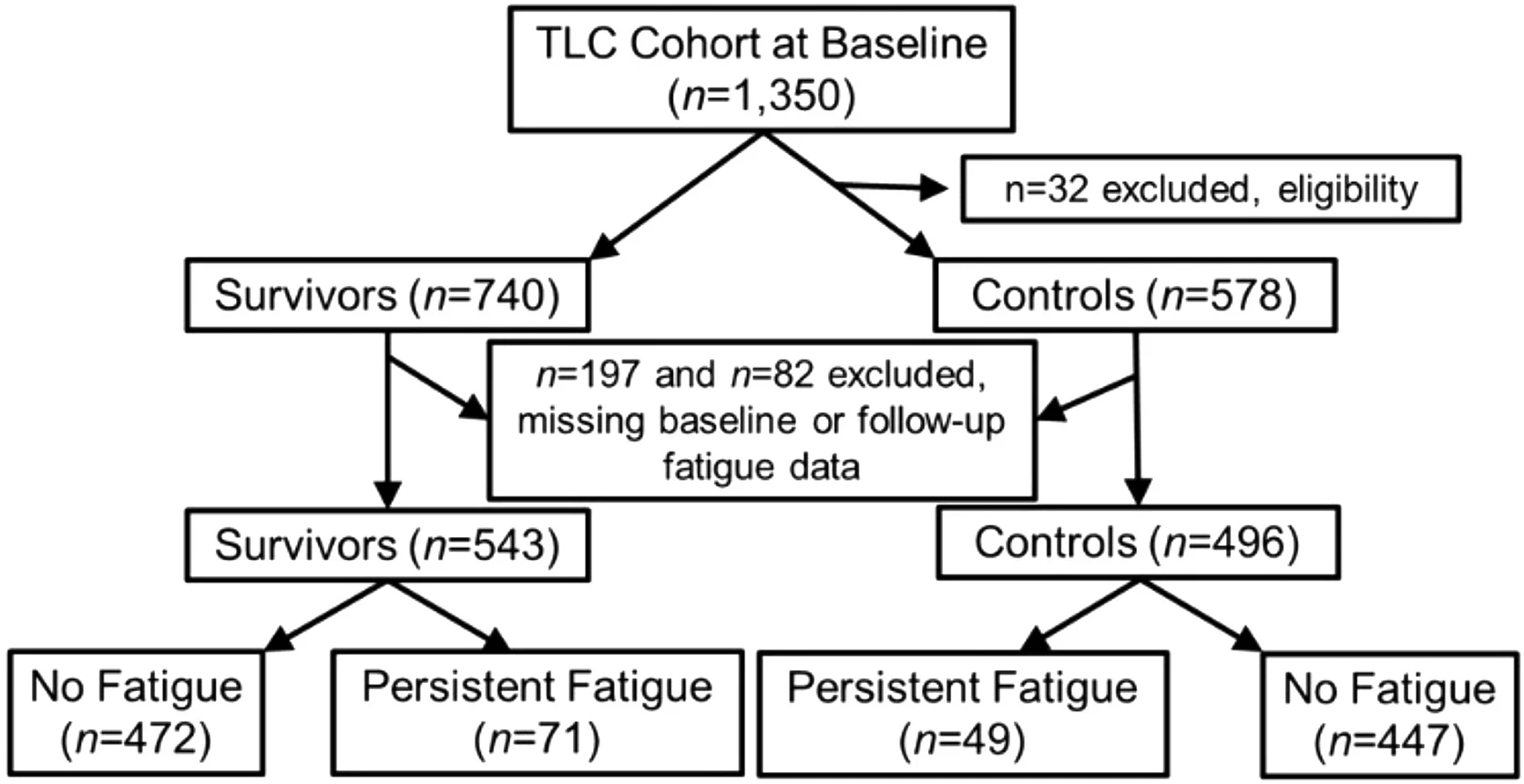
Women aged 60 and older with breast cancer that had not spread to distant parts of the body (543 women) and 496 matched women without a cancer history participated in a longitudinal cohort study. Matching accounted for age, race and study site. The women with cancer enrolled before systemic treatment, which acts throughout the body.
Researchers measured fatigue by questionnaire at enrollment and one and two years later. Persistent fatigue meant a fatigue score of 34 or lower at one or both follow-ups; 14.4% of survivors and 8.1% of controls reported it. A higher pre-treatment score on a 46-item index of accumulated health problems, an indicator of frailty, predicted persistent fatigue among survivors across all machine-learning models. Higher initial fatigue predicted persistent fatigue in both groups.
Why it matters
Assessing accumulated health problems before cancer treatment may help clinicians identify which older women to target for fatigue interventions.
Caveats
Women with more health deficits may also have had other characteristics linked to fatigue; these results do not show whether reducing those deficits would reduce fatigue. The cancer findings concern women aged 60 and older with non-metastatic breast cancer.
Comments
Be the first to comment.