Semaglutide did not shrink lab-grown human muscle cells
Muscle cells from six older adults with obesity showed no thinning after 24 hours of exposure to semaglutide or a gut hormone, compared with controls.
Our read
Interventions- Studied:
- Experiments in 6 primary human skeletal muscle myotubes, 24 h, against DMSO vehicle-treated myotubes
- What changed:
- Lab-grown muscle cell thickness did not differ with semaglutide versus vehicle control after 24 h
- The catch:
- Only 6 donors contributed to most assays, limiting detection of modest thinning
- In the record:
- The 3rd paper on gip with results in people; 12 on record in all.
- Why it’s aging research:
- An intervention with evidence on lifespan or healthspan.
Editor of record: Boris Djordjevic · AgingResearch.News
Human muscle cells from six older adults with obesity undergoing hip or knee replacement were tested in a laboratory experiment. Cells received semaglutide at 10 nanomolar or the gut hormone glucose-dependent insulinotropic polypeptide at 5.02 micromolar. After 24 hours, neither exposure thinned the fused muscle cells compared with matching controls. Neither impaired muscle-cell formation during eight days of exposure.
No significant changes appeared in activity of genes linked to muscle wasting or in proteins the cells released. Semaglutide reduced sugar-based and total production of ATP, the molecule cells use for energy, in cells from four donors. Neither compound altered measures of mitochondria, the cells’ energy-producing structures.
Why it matters
Older adults at risk of age-related muscle loss face particular concerns about losing lean mass during weight-loss therapy. The authors said their findings were consistent with an indirect mechanism underlying that loss.
Caveats
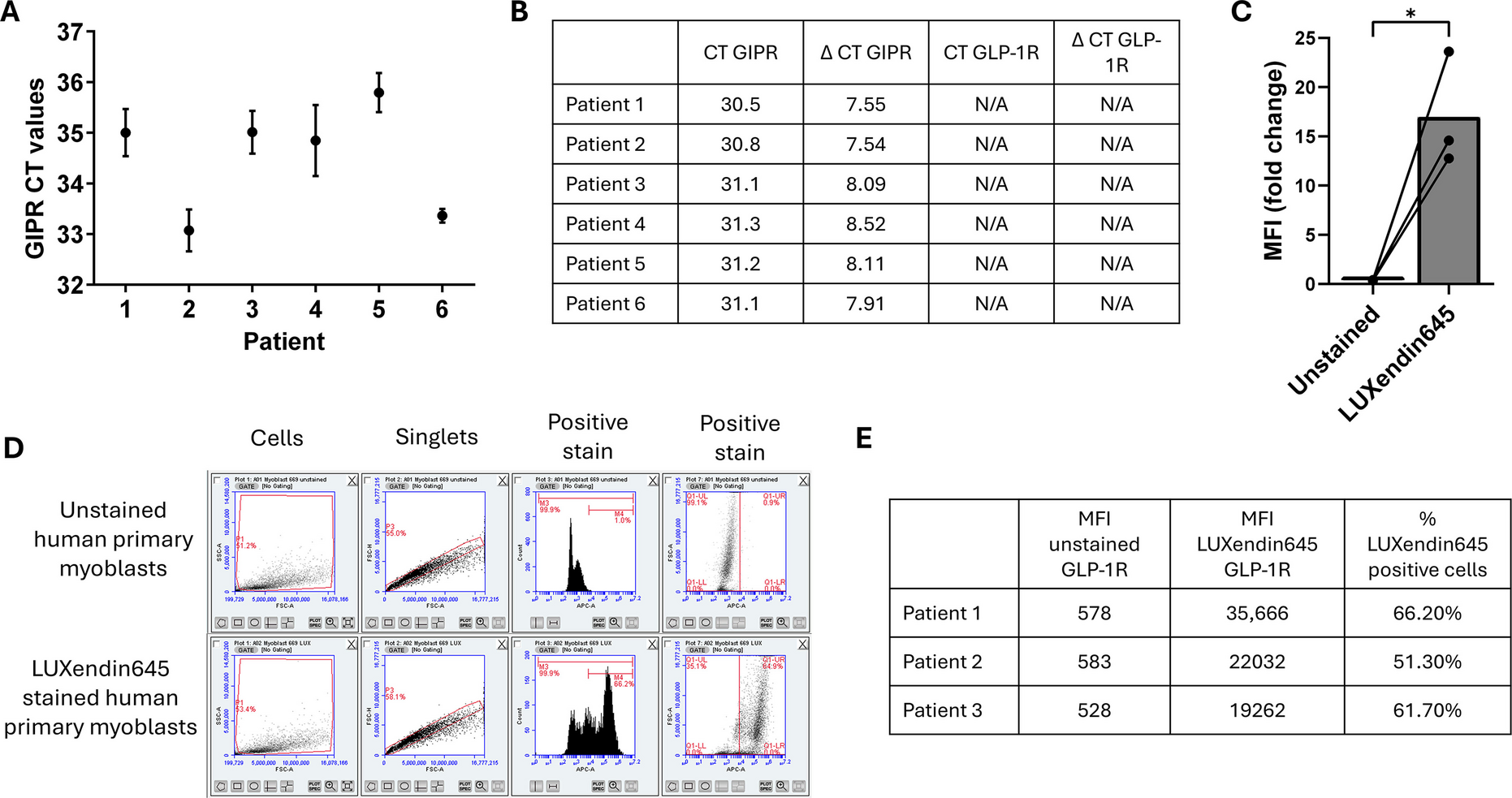
Lab-grown cells exposed for up to eight days do not capture long-term muscle changes in people losing weight. Neither compound produced convincing evidence of receptor signaling in the test used, limiting conclusions about receptor activation.
Where the evidence stands
Semaglutide
- 396 independent labs in 60 countries
- 94 findings against
- 407 trials, 97 with no results posted
- Funders: Novo Nordisk and others
- 366 of 1,428 findings with company ties
- 214 of 407 trials sponsored by its developers
Gip
- 2 independent labs in 1 country
- Funders: Birmingham Biomedical Research Centre and 2 more
From the paper
- Limitation
First, the myotubes used were derived from older adults undergoing elective joint replacement surgery for end-stage osteoarthritis, a condition associated with chronic systemic inflammation, altered muscle metabolism, and age-related skeletal muscle changes.
Quoted word for word from the full text on link.springer.com.


Comments
Be the first to comment.