Brain chemistry and protein buildup linked to network changes
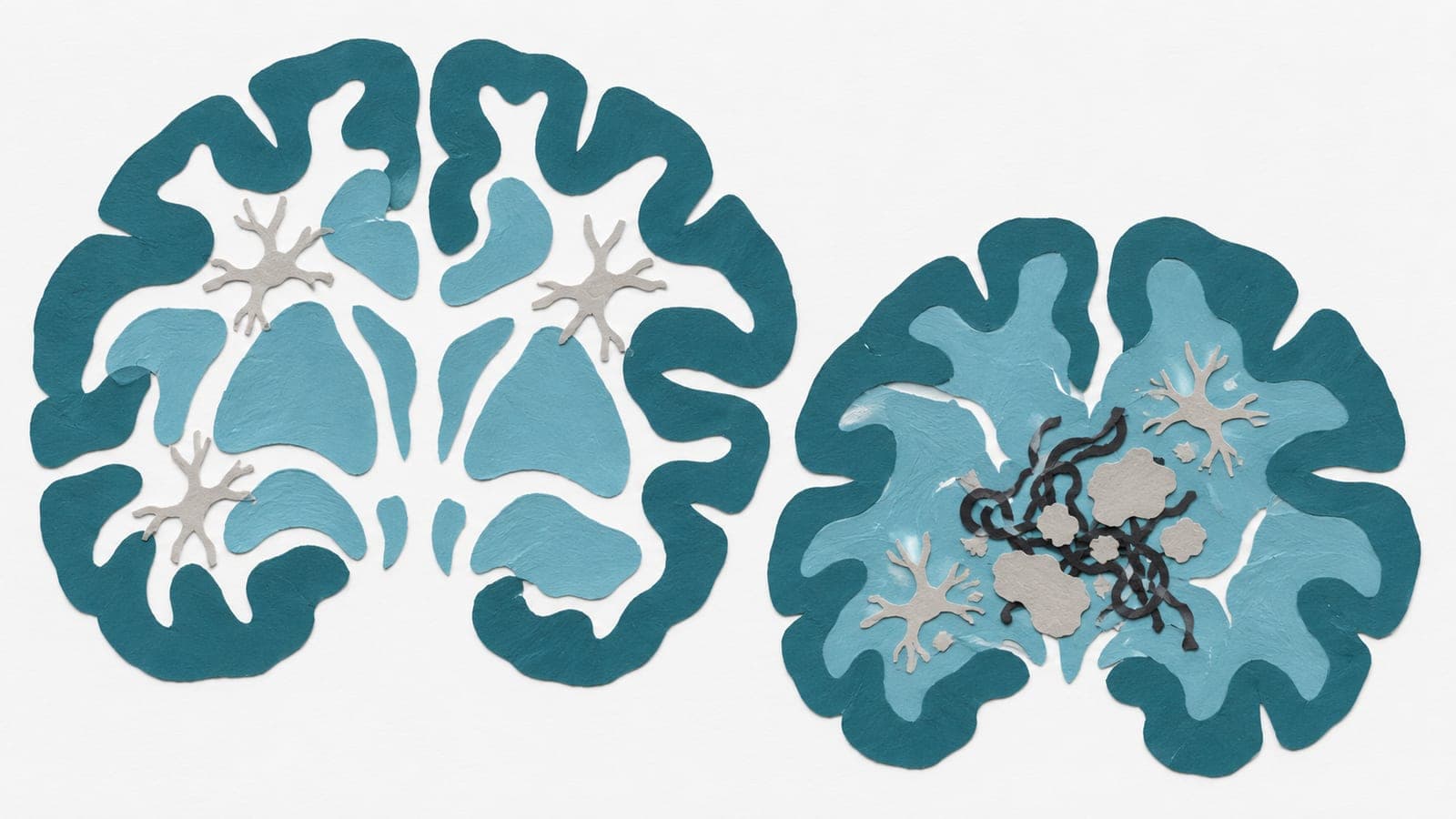
Brain scans linked dopamine production capacity and Alzheimer’s-related protein buildup to distinct patterns of network organization in young and cognitively unimpaired older adults.
Our read
Mechanisms- Studied:
- Preprint: study in people
- Why it’s aging research:
- It studies organisms or tissues that aged naturally.
Editor of record: Boris Djordjevic · AgingResearch.News
Young adults and cognitively unimpaired older adults underwent brain scans in an observational study of how networks—groups of brain regions working together—changed between rest and a task. Scans measured the capacity to make dopamine, a brain signaling chemical. Older adults also had scans for amyloid and tau, proteins associated with Alzheimer’s disease.
More stable network organization from rest to task and more separate networks during the task were linked to better later memory. Higher dopamine production capacity in one brain region was linked to greater stability within certain networks in young adults. This link weakened in older adults and was absent in those with amyloid buildup. Among older adults with amyloid buildup, more tau was linked to a task-related collapse in network separation.
Why it matters
The authors highlighted the value of studying brain signaling chemicals alongside disease-related proteins to understand how brain networks change with age.
Caveats
The observational comparisons could not rule out other age-related brain changes contributing to these associations. The older adults were cognitively unimpaired, and the preprint has not been peer-reviewed.
The paper
Brandeis University
bioRxiv, Nov 6, 2026, Open access, CC BY, Preprint, not yet peer-reviewed


Comments
Be the first to comment.