Blocking a receptor lets a hormone spur mouse heart cell division
Experiments in newborn mouse heart cells found that blocking one hormone receptor allowed corticosterone to promote division through another, with effects depending on surrounding cells.
Our read
Mechanisms- Studied:
- Preprint: experiments in primary neonatal cardiomyocytes, 48 hours, against control cultures
- What changed:
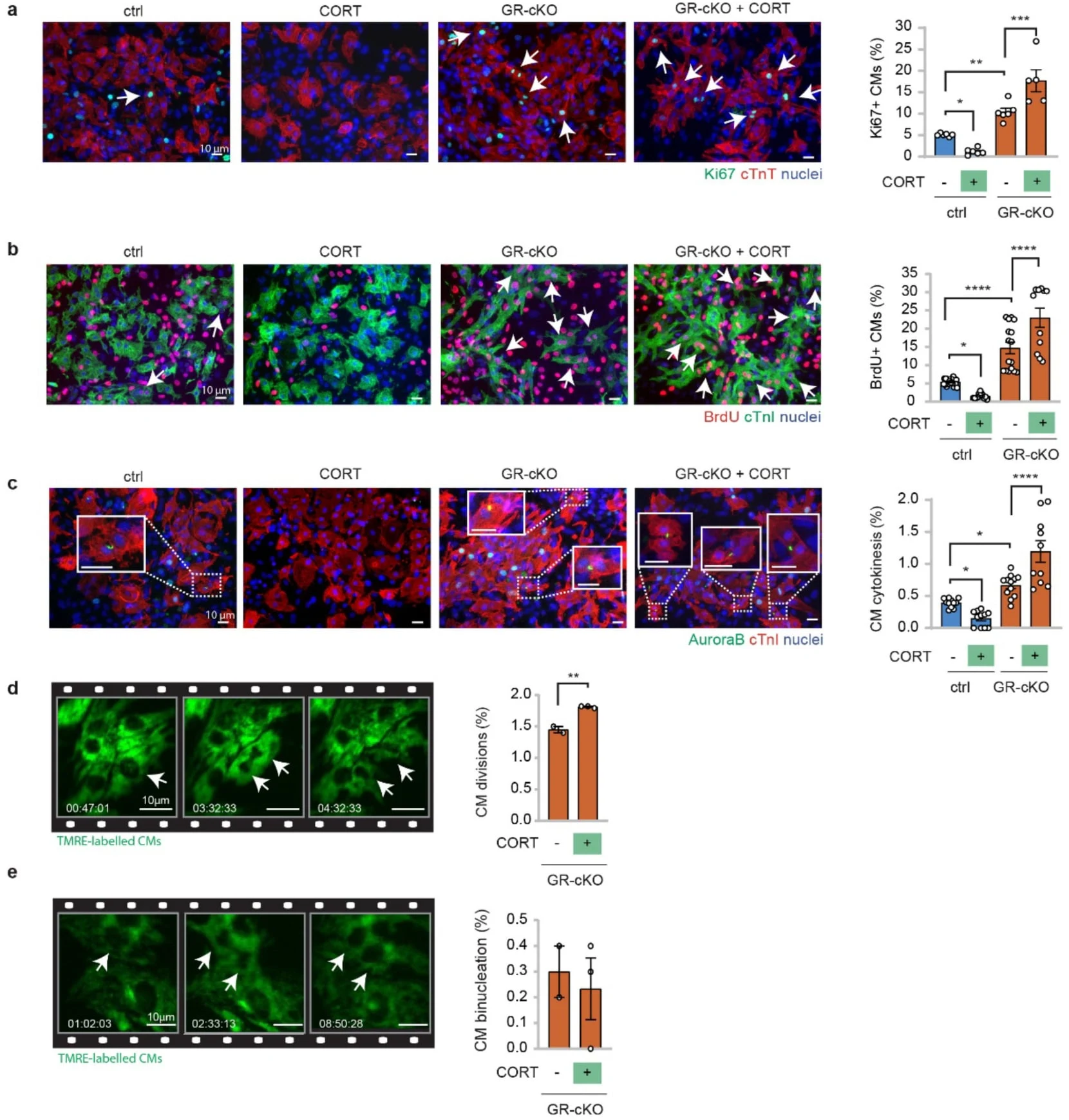
- Corticosterone increased cardiomyocyte proliferation in receptor-deficient cultures, but suppressed proliferation in control cultures
- The catch:
- Cardiomyocyte proliferation was measured; cardiac function and regeneration were not measured
- In the record:
- One of 26 papers on aldosterone on record: 5 with results in people, 6 in animals.
- Why it’s aging research:
- It studies how the body can be repaired or renewed.
Editor of record: Boris Djordjevic · AgingResearch.News
In experiments with heart muscle cells from newborn mice, researchers tested how two receptors—proteins that respond to hormones—shaped corticosterone’s effects. This hormone suppressed cell division through the glucocorticoid receptor. Blocking or genetically removing that receptor instead allowed corticosterone to promote division. Blocking the mineralocorticoid receptor abolished this response.
The surrounding cells also mattered. Aldosterone, another hormone, promoted heart muscle cell proliferation in enriched cultures but not mixed cultures, where it stimulated fibroblasts, cells that make connective tissue. Corticosterone plus glucocorticoid receptor inhibition promoted heart muscle cell proliferation without increasing supporting-cell proliferation or scar-promoting activation. In living heart tissue slices from adult mice, the combination increased activity in the cell-division cycle through the mineralocorticoid receptor. Pig and human heart tissue slices showed similar responses.
Why it matters
For age-related heart disease, a key question is whether damaged heart muscle can regenerate. The authors identify corticosteroid signaling as a potential route to cardiac regeneration.
Caveats
Cell-cycle activity in adult tissue slices does not by itself establish completed cell division or restored heart function; the human experiments did not involve treating people. This preprint has not been peer-reviewed.
The paper
University of Bologna; IRCCS Azienda Ospedliero-Universitaria di Bologna Policlinico di Sant'Orsola
bioRxiv, Sep 11, 2026, Open access, CC BY, Preprint, not yet peer-reviewed

Comments
Be the first to comment.