Older adults were slower to find learning strategies
In a four-phase experiment with 60 younger and 59 older adults, increasingly explicit information improved learning and strategy use in both groups.
Edited by Boris Djordjevic · AgingResearch.News
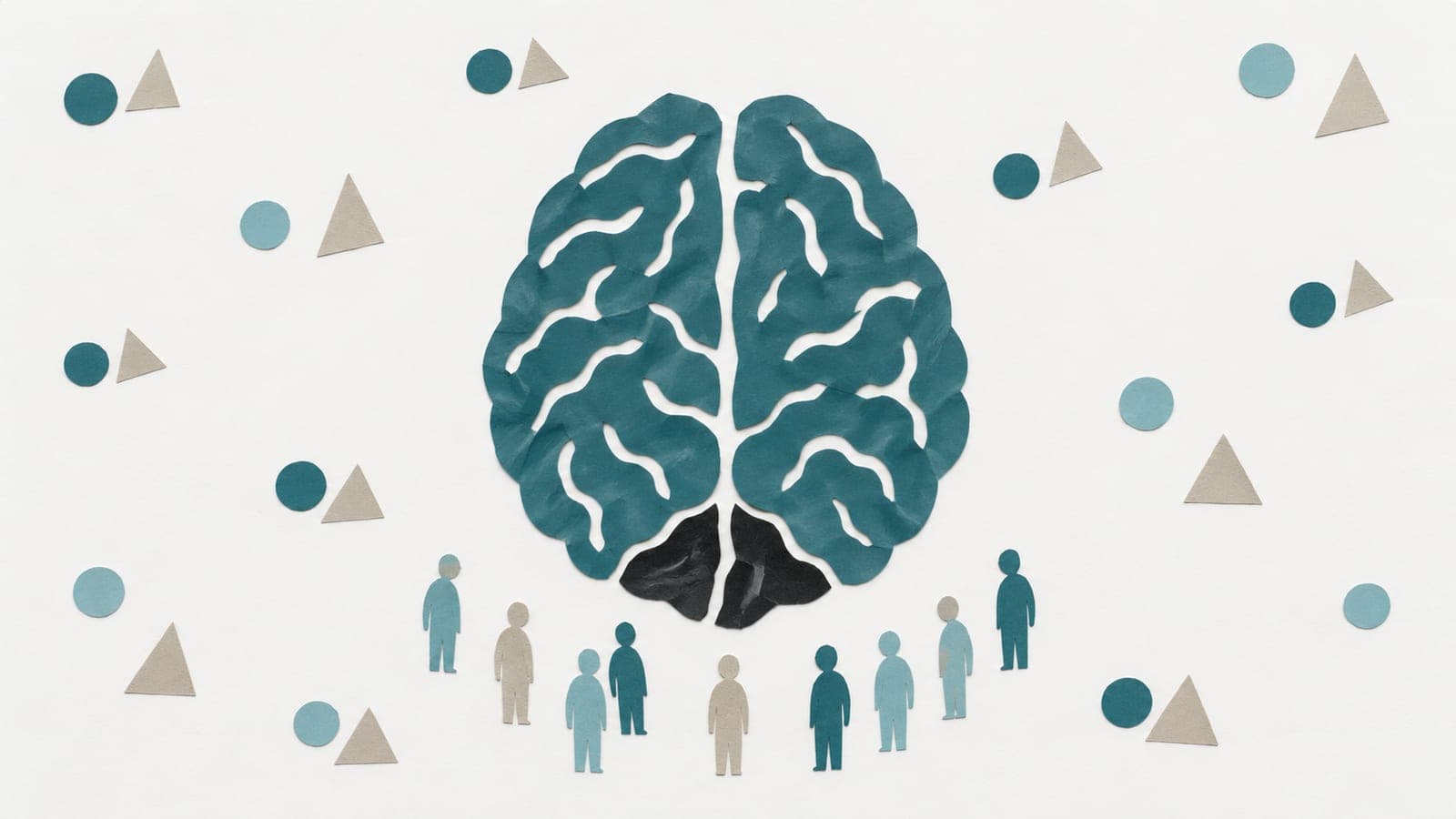
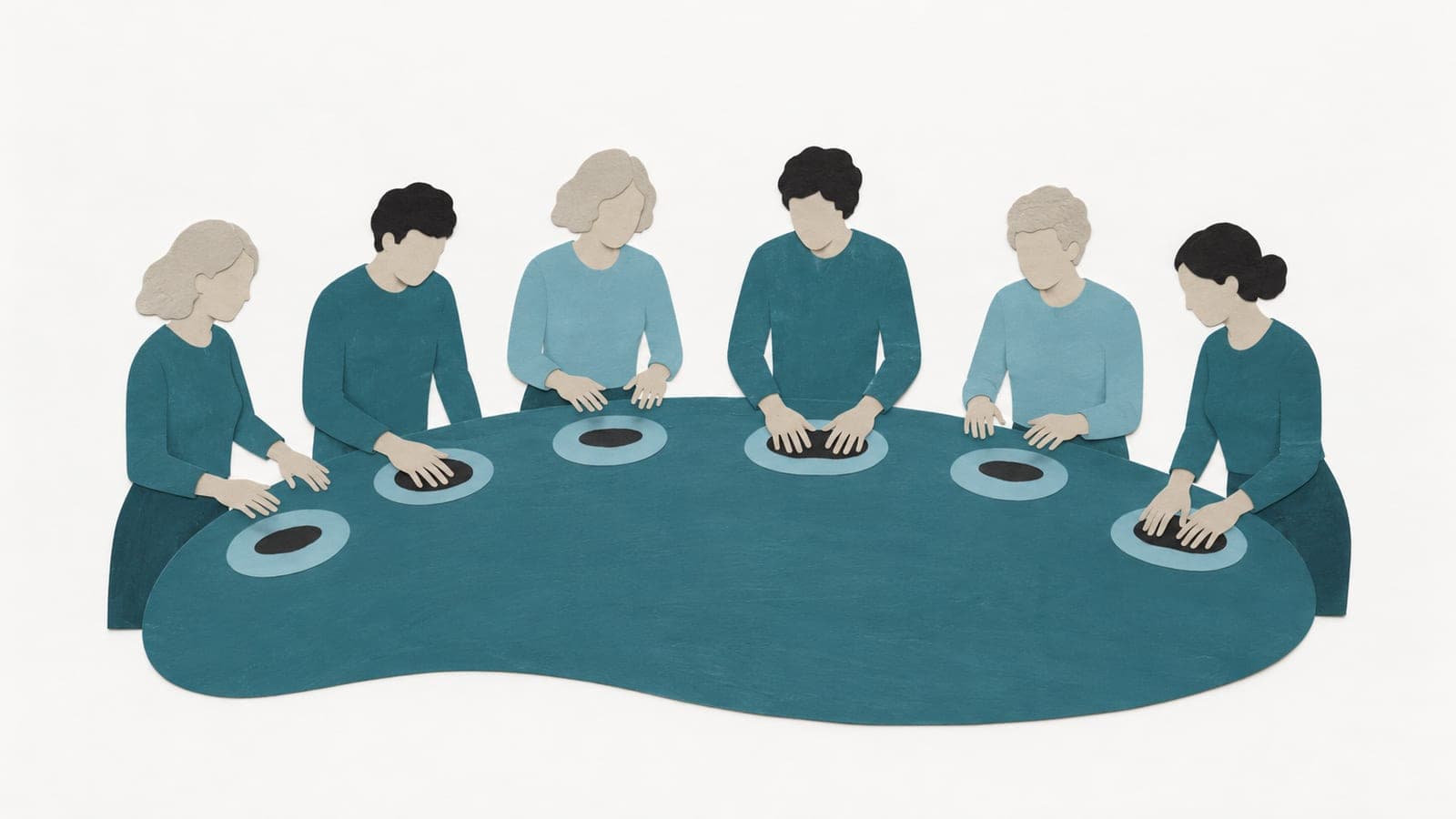
Sixty younger and 59 older adults completed an experiment on reinforcement learning, or learning from feedback. They learned which responses went with different items. Some pairings had no underlying structure; others followed patterns based on meaning or visual features. Across four phases, researchers gave increasingly explicit information about these patterns.
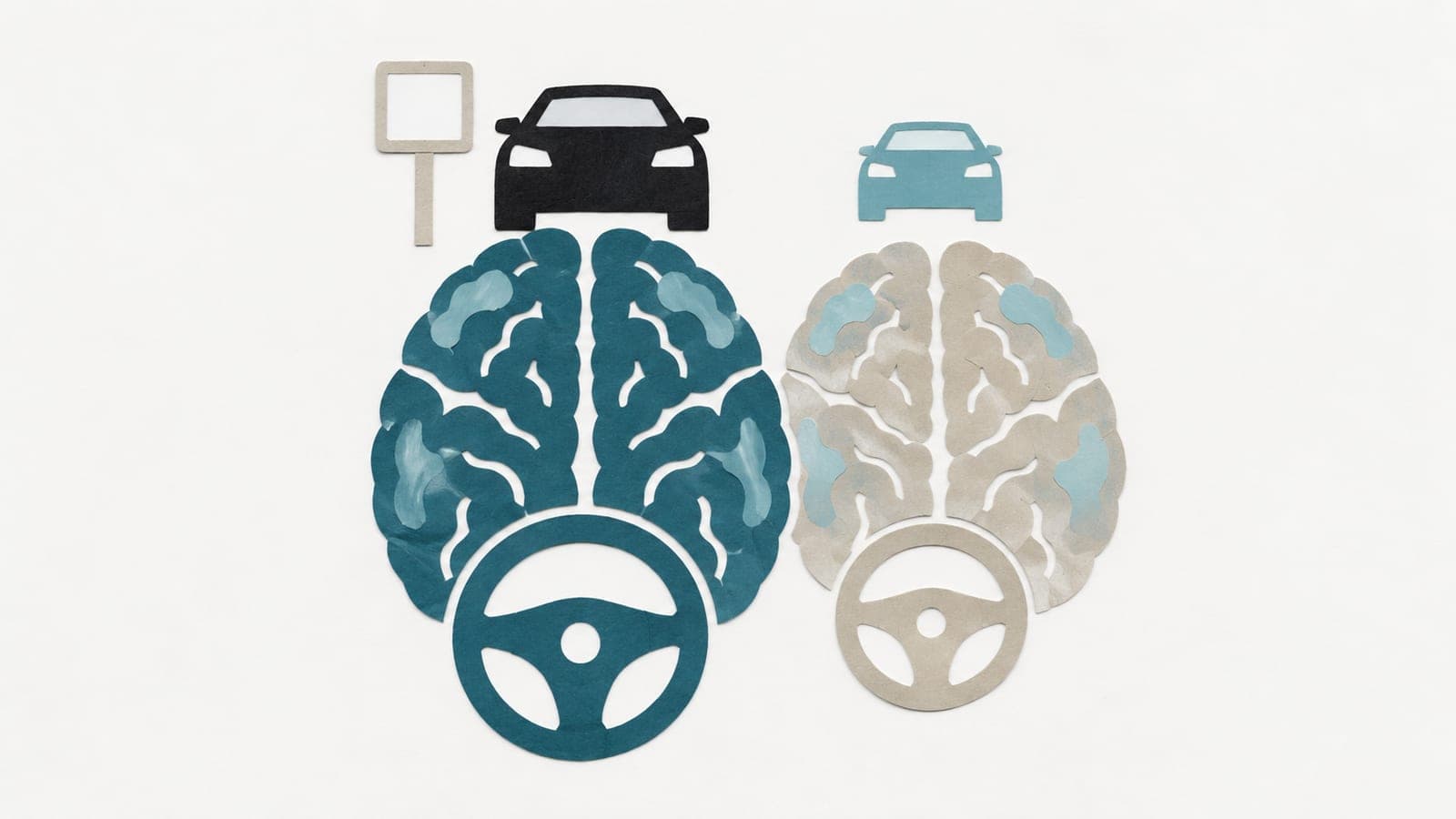
Older adults performed worse, reported using strategies less often and shifted to strategy-based responding later than younger adults. Structured pairings and clearer information improved learning, increased reported strategy use and accelerated strategy discovery in both groups. Performance gains were largest in older adults and with concrete rather than abstract items. The findings suggest that reduced spontaneous discovery and use of effective strategies partly contribute to age differences in learning.
Why it matters
Strategies that reduce memory demands are relevant to understanding learning in older adulthood. The researchers suggest that helping people discover these strategies may offer a way to improve learning as people age.
Caveats
The researchers assessed strategy discovery through participants’ reports and estimates from learning curves. This preprint has not been peer-reviewed.
- Strategy discovery support
- Reported strategy use
- Reinforcement learning performance
- Transition to strategy-based responding
- Verbal fluency
- Humans
The paper
Age-related changes in strategy use during reinforcement learning
PsyArXiv, Oct 23, 2026, Open access, Preprint, not peer-reviewed