Heart-recording model detects and predicts a heart muscle disease
Its scores for distinguishing people with and without the condition ranged from 0.87 to 0.97, outperforming traditional heart-recording measures.

Our read
Biomarkers- Studied:
- Cohort study of people undergoing heart recordings and ultrasound scans
- What changed:
- The model distinguished existing disease better than traditional heart-recording measures, with scores ranging from 0.87 to 0.97
- The catch:
- Effects of score-guided care on monitoring demands and health outcomes were not measured
Editor of record: Boris Djordjevic · AgingResearch.News
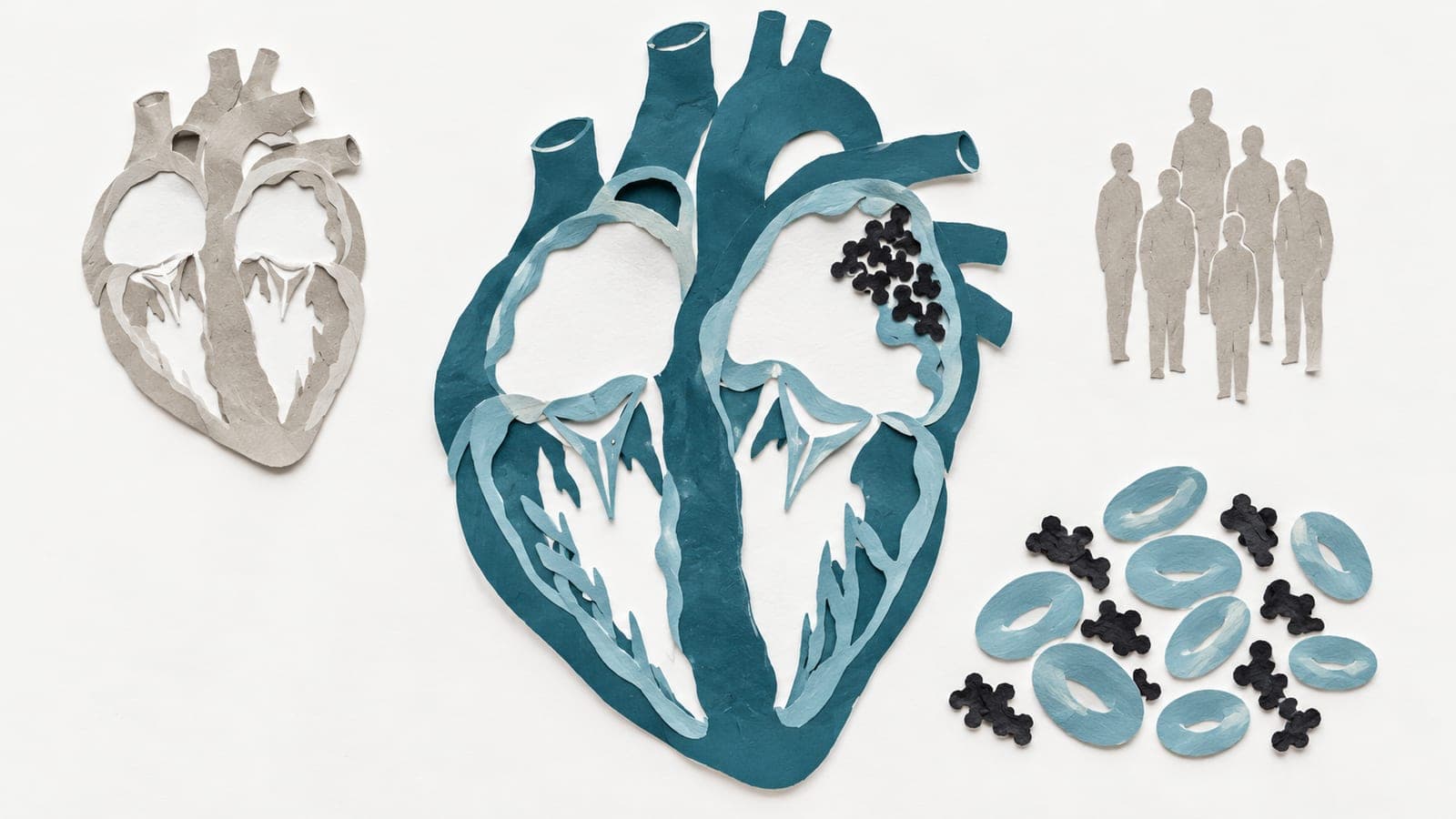
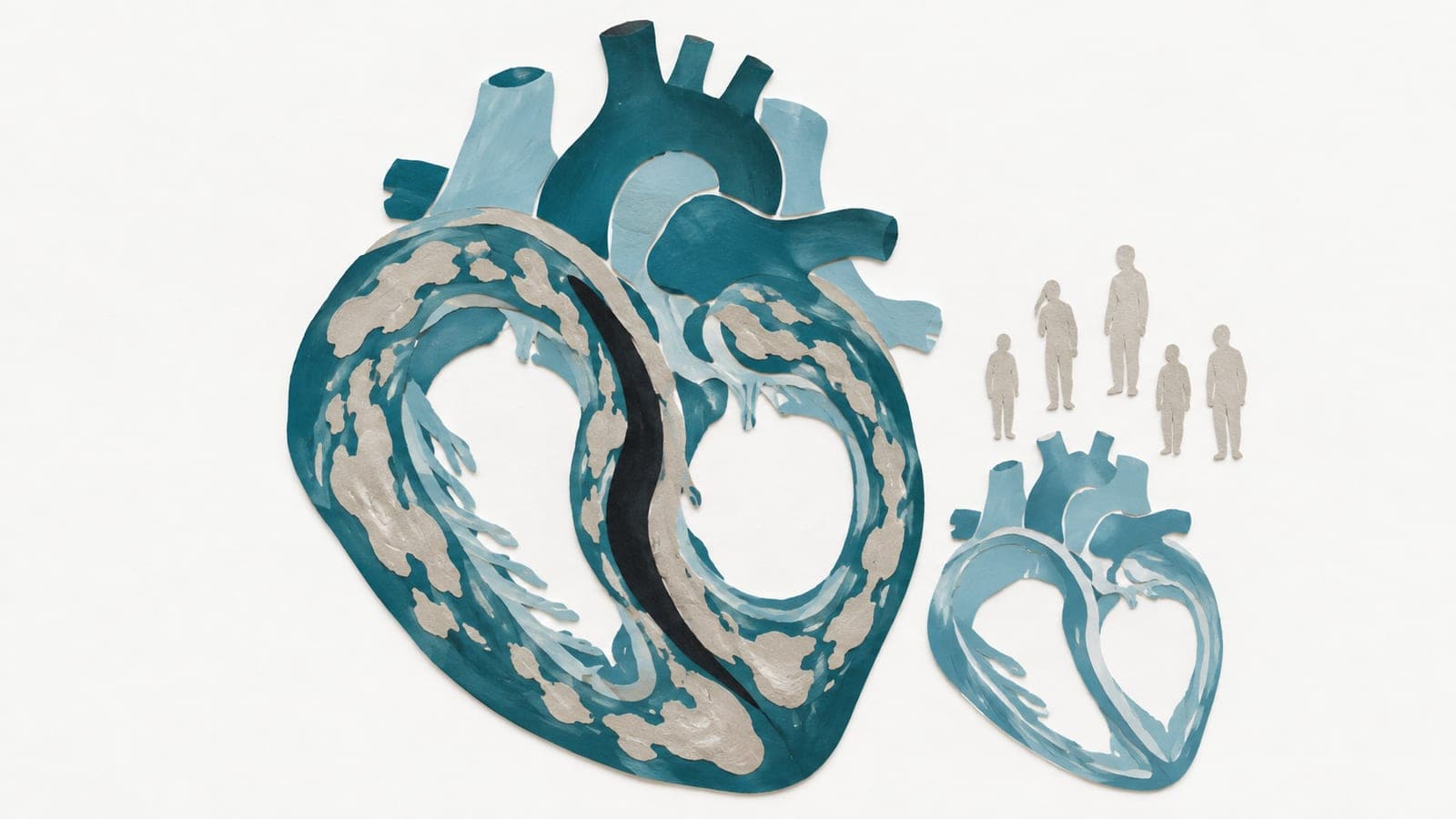
People at Boston’s Beth Israel Deaconess Medical Center supplied more than 330,000 pairs of electrical heart recordings and ultrasound scans for an observational study. Researchers trained an artificial-intelligence model to detect and predict dilated cardiomyopathy, in which the heart’s main pumping chamber is enlarged and pumps poorly. They validated it in UK Biobank and two hospital cohorts.
The model outperformed traditional heart-recording measures for detecting existing disease. It performed comparably to ultrasound scans for predicting future disease. In genetically predisposed groups of 166 people in Antwerp and 177 in Maastricht, high-risk scores were associated with a 5.1–6.4-fold higher risk of developing the condition. Among those classified as unlikely to develop it, 95.5% in Antwerp and 91.5% in Maastricht remained free of it over five years.
Why it matters
For people at genetic risk of dilated cardiomyopathy, the authors suggest the tool could reduce monitoring demands and support earlier intervention.
Caveats
Testing predictive performance did not show whether using the scores to guide care would reduce monitoring or improve health. The family-risk results concerned genetically predisposed people, not a general screening population.
- Deep learning
- Dilated cardiomyopathy
- AI-ECG high-risk score
- Left ventricular dilation
- Systolic dysfunction
- Humans
The paper
Imperial College London
European Heart Journal, Nov 13, 2026

Comments
Be the first to comment.