Reducing a protein eased memory problems in Alzheimer’s model mice
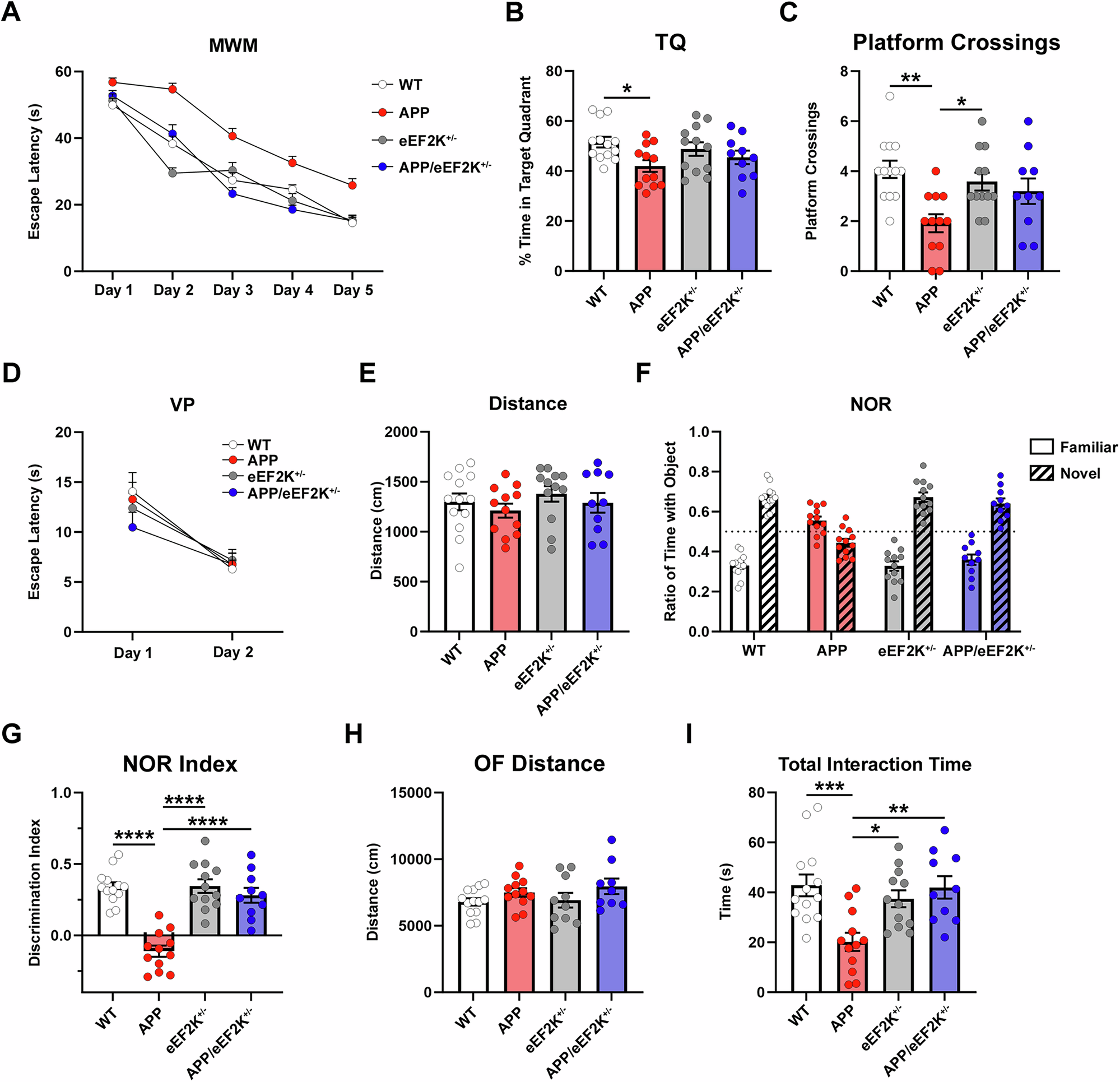
Genetic experiments in male and female mice aged 12–15 months also found less apathy-like behavior, assessed through activities such as nesting and burrowing.
Our read
Mechanisms- Studied:
- Experiments in aged APP/PS1 Alzheimer’s model mice, against APP/PS1 mice without eEF2K reduction (Randomized, blinded)
- What changed:
- Spatial memory improved in Alzheimer’s model mice with reduced neuronal eEF2K compared with model mice without the reduction
- The catch:
- Suppression preceded cognitive deficits; researchers did not measure benefits of treatment beginning after memory loss
- In the record:
- One of 11 papers on EEF2K on record: none yet with results in people, 4 in animals.
Editor of record: Boris Djordjevic · AgingResearch.News
Male and female APP/PS1 mice, a model of Alzheimer’s disease, underwent behavioral testing at 12–15 months of age in a series of genetic experiments. Researchers bred mice with reduced eEF2K, an enzyme that regulates protein production, in certain nerve cells of the forebrain.
Compared with Alzheimer’s model mice without this reduction, these mice performed better in tests of spatial learning and object recognition. Measures based on nesting and burrowing also indicated less apathy-like behavior. In brain slices from these mice, connections between nerve cells showed improved ability to strengthen after stimulation. Experimenters did not know the mice’s genetic groups during behavioral testing or analysis.
Why it matters
Alzheimer’s disease affects memory and can bring apathy, a loss of motivation. The authors suggest that eEF2K may offer a therapeutic target for cognitive and behavioral symptoms in Alzheimer’s and related dementias.
Caveats
The genetic changes came through breeding. The results leave open whether lowering eEF2K after symptoms appear would have the same effects.
The paper
Wake Forest University Health Sciences
Translational Psychiatry, Aug 19, 2026, Open access
Comments
Be the first to comment.