Activities with children linked to longer life in older adults
An observational study of 6,775 participants linked more frequent activities with children within and outside their families to survival over 12 years.
Limit: Activities with children were self-reported and measured only at baseline
Edited by Boris Djordjevic · AgingResearch.News
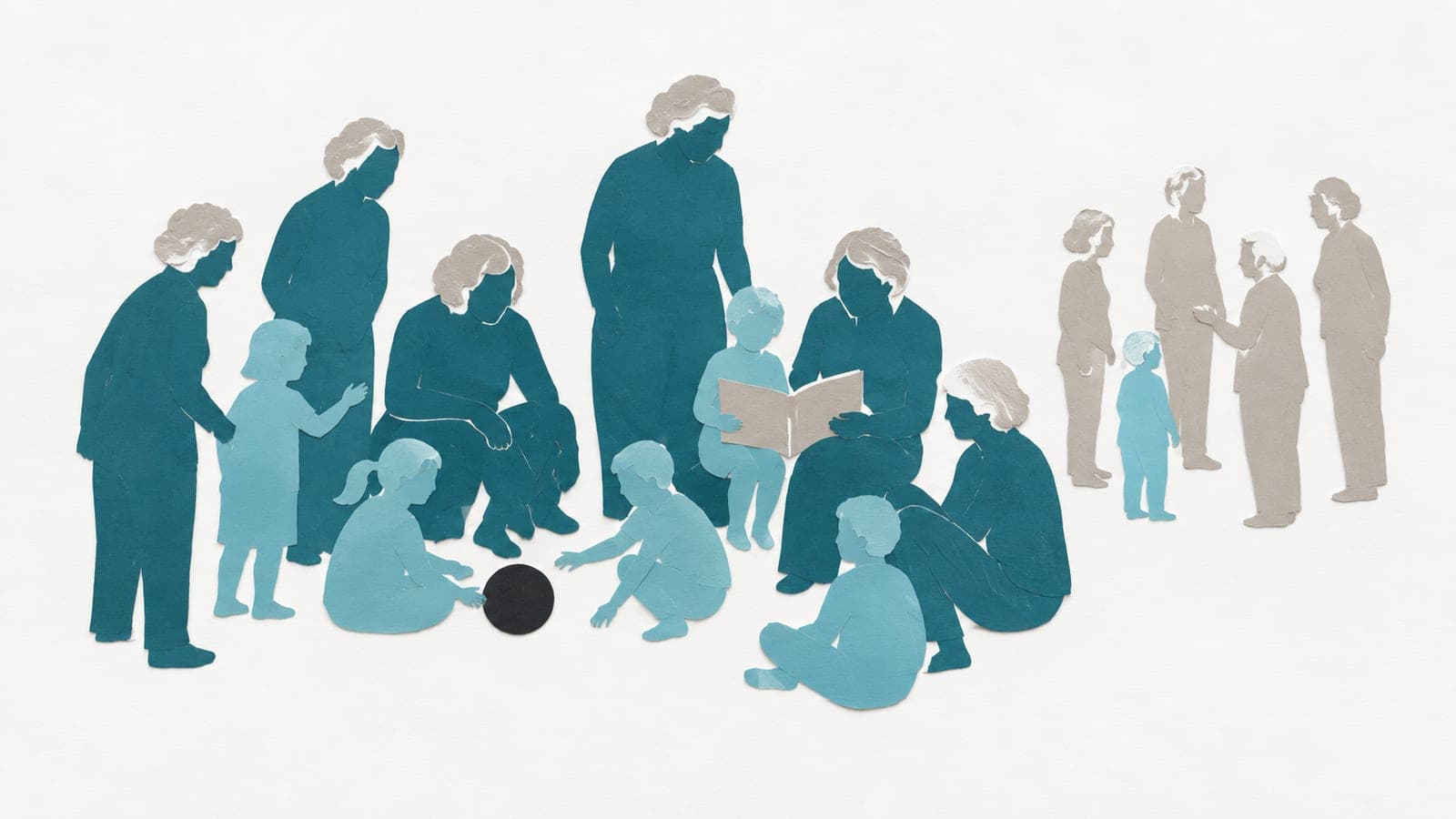
In an observational study of 6,775 Health and Retirement Study participants, researchers examined whether activities with young children were linked to survival. Participants reported how often they engaged in activities with children within and outside their families in 2010. Researchers assessed survival as of 2022.
More frequent engagement was associated with survival over the 12-year period. The link remained after researchers accounted for demographic background, physical health and overall social activity. It was stronger among older than younger participants. Whether participants were grandparents did not change the association. The findings suggest that activities with younger generations, familial or otherwise, may contribute to longevity.
Why it matters
The study addresses whether the kind of social activity—not just its overall frequency—may matter for longevity in later life.
Caveats
The observational design cannot establish that activities with children extended life. Participants reported their own engagement, which was measured in 2010.
The paper
Older adults' engagement with young children is associated with reduced mortality
Psychology and Aging, Oct 26, 2026, Open access