Recommendations for the development, implementation, and evaluation of technology-assisted physical activity interventions to support healthy aging: insights from PhysAgeNet
Abstract
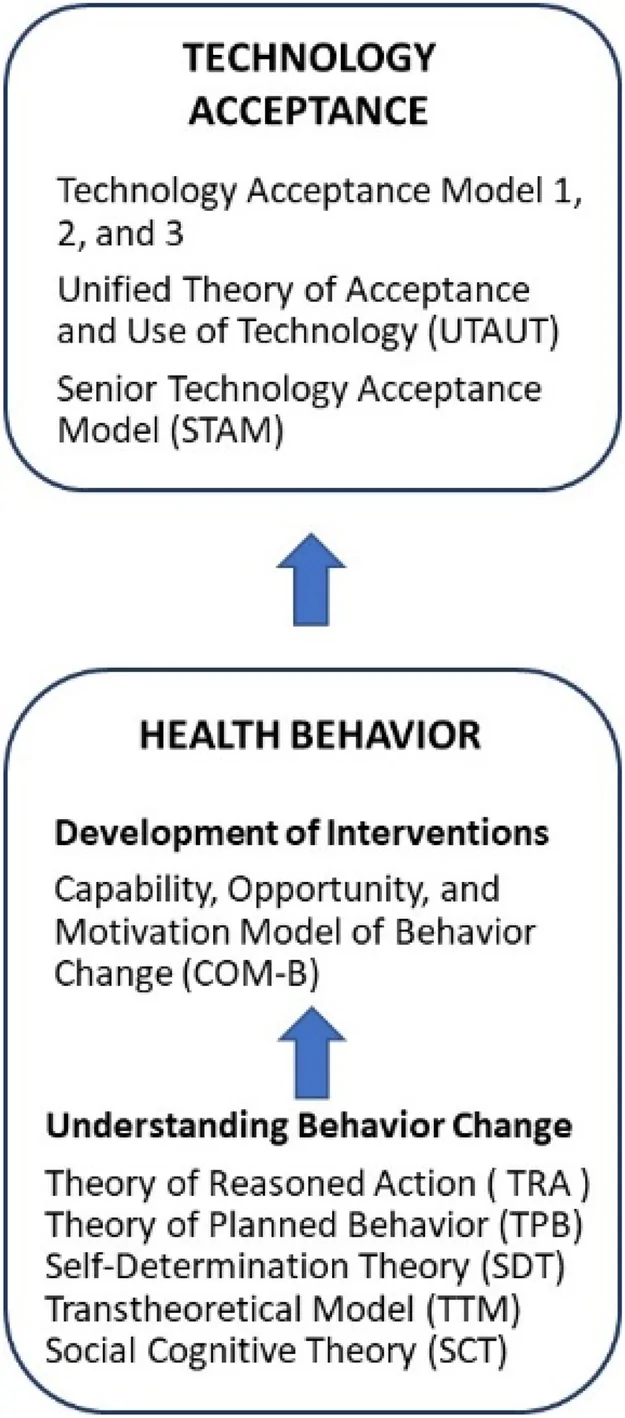
Digital health technologies offer substantial potential to support physical activity among older adults, yet their development and implementation often remain driven by technological possibilities rather than clinical evidence and user needs. This position paper, developed within the PhysAgeNet COST Action, synthesizes current evidence and expert consensus to provide recommendations for designing, evaluating, and implementing technology-assisted physical activity interventions for older adults. We first outline key technology categories and functions relevant to physical activity promotion, including wearables, exergames, mobile applications, telehealth platforms, and smart environments, and highlight critical technical requirements such as accuracy, reliability, connectivity, interoperability, and data security. We then emphasize the need to align digital interventions with established clinical guidelines for physical activity, falls prevention, frailty, and sarcopenia, including explicit specification of exercise dose according to FITT-VP principles and robust monitoring of dual adherence to both physical activity and technology use. Building on technology acceptance models and behavior change theories, we describe how user-centered and co-creative design processes can translate theoretical constructs into concrete digital features that enhance motivation, enjoyment, and long-term engagement. Finally, we propose stakeholder-specific guidance for developers, researchers, and clinicians, including recommendations on user assessment, recruitment of vulnerable groups, implementation frameworks, and clinically grounded evaluation of outcomes and usability. Together, these recommendations provide a pragmatic roadmap for moving from a technology-push paradigm toward evidence-based, acceptable, and equitable technology-assisted physical activity interventions that can be sustainably integrated into routine practice for older adults.
From the paper
- Limitation
First, the rapid pace of technological innovation may render specific device recommendations outdated; our focus on underlying principles rather than products aims to provide enduring guidance.
Quoted word for word from the full text on PubMed Central.
The paper
University of Stuttgart; Vrije Universiteit Brussel
Frontiers in Digital Health, Sep 28, 2026, Open access