Mild brain injury burden linked to aging brain pathways
A cross-sectional study of 710 US Veterans aged 19–80 linked higher cumulative injury burden to more pronounced age-related differences in brain pathway condition.
Neurobiology of Aging
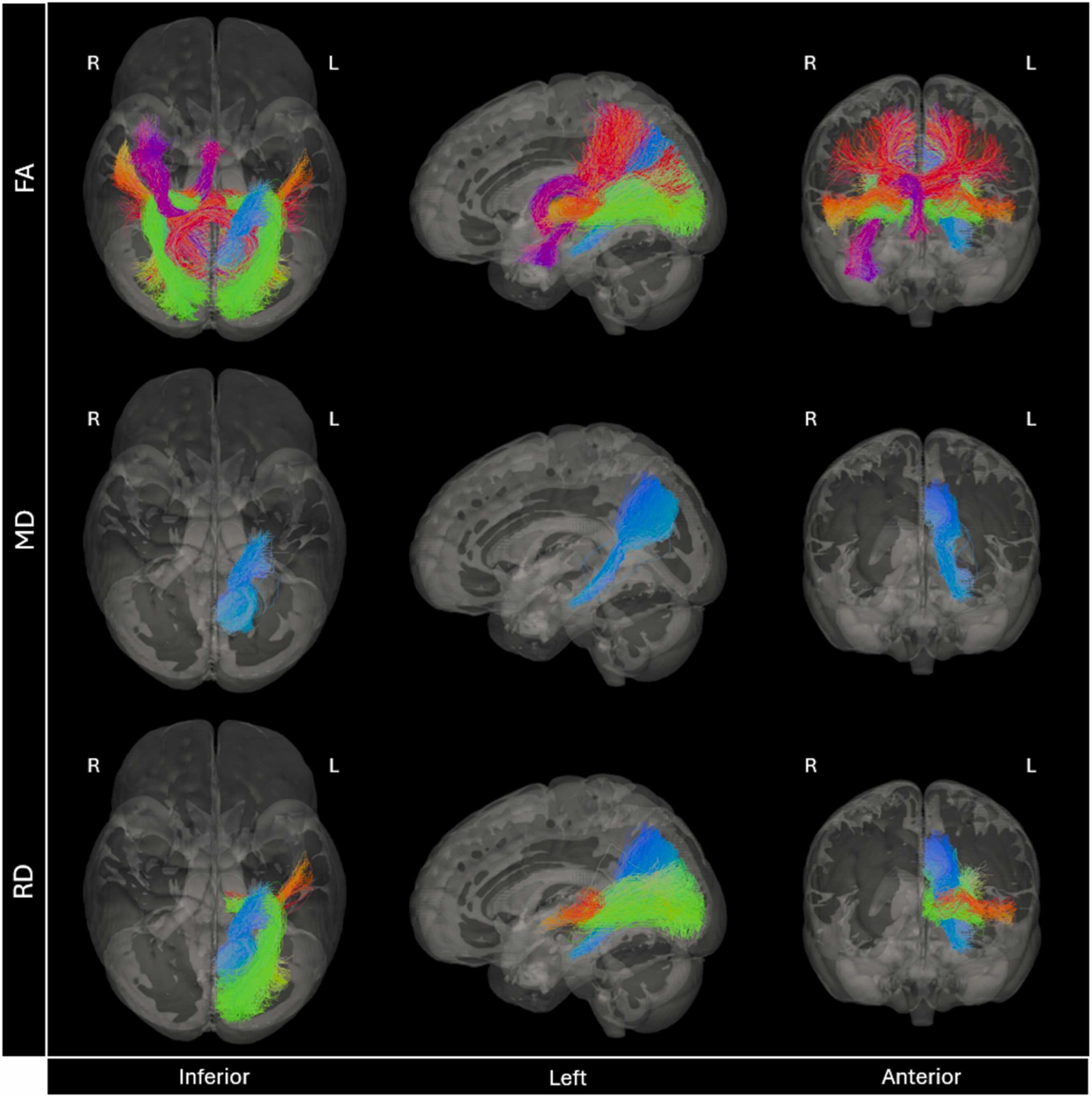
In 710 US Veterans aged 19–80, with a mean age of 37, a cross-sectional observational study examined cumulative mild traumatic brain injury burden and white matter condition. White matter consists of nerve fibres that connect brain regions. The researchers analysed measures of its structural condition across whole pathways and along individual sections.
Older age was linked to poorer white matter condition, with larger age-related differences at higher injury burdens. Whole-pathway analyses found this pattern in two pathways. Analyses of individual sections identified it in those two and five additional pathways. The results suggest greater age-related white matter deterioration with higher injury burden after recovery from acute injury, extending into later life.
Why it matters
White matter deterioration is one aspect of brain aging. The study addressed whether cumulative mild brain injuries are linked to vulnerability in whole pathways or only specific sections.
Caveats
Cross-sectional comparisons cannot show how an individual’s brain changed over time or establish that mild brain injuries caused the differences. The study involved US Veterans, not the wider population.
- Mild traumatic brain injury
- Axial diffusivity
- Fractional anisotropy
- Mean diffusivity
- Radial diffusivity
- Humans
The paper
VA Boston Healthcare System
Neurobiology of Aging · 1 Oct 2026