Cognitive risk syndrome linked to distinct walking patterns
An observational study of 97 adults aged 55 and older found walking differences beyond slow speed in those with the syndrome.
Our read
Biomarkers- Studied:
- Cross-sectional study of 97 adults aged 55 and older, against healthy older adults with slow gait
- What changed:
- The syndrome group had more step-to-step variability, more divergent movement paths, and less complex dynamics than slow walkers
- The catch:
- The slow-walking comparison group walked slightly faster, at 1.07 versus 1.00 meters per second
- In the record:
- The 140th paper on motoric cognitive risk syndrome with results in people; 188 on record in all.
- Why it’s aging research:
- It bears on staying healthy in midlife and later life.
Editor of record: Boris Djordjevic · AgingResearch.News
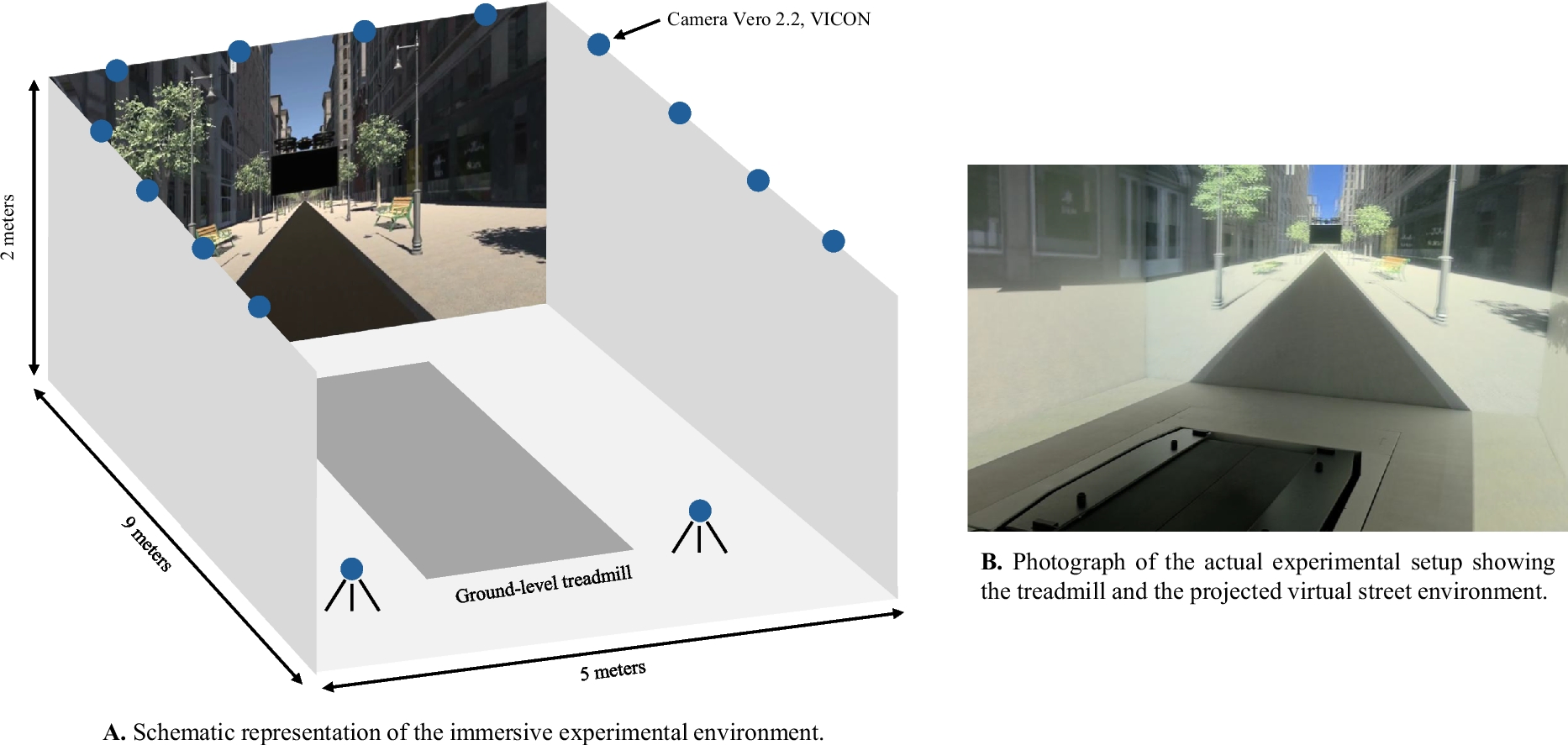
In an observational study, 97 adults aged 55 and older completed two treadmill walks, each lasting 3 minutes and 30 seconds, at their preferred speed. Twenty had motoric cognitive risk syndrome, defined by self-reported problems with thinking and slow walking, with thinking test scores in the normal to near-normal range (a MoCA score of 24 or more). Another 20 were healthy older adults who walked comparably slowly, matched to the syndrome group on demographic characteristics. The remaining 57 healthy older adults provided a reference for typical walking.
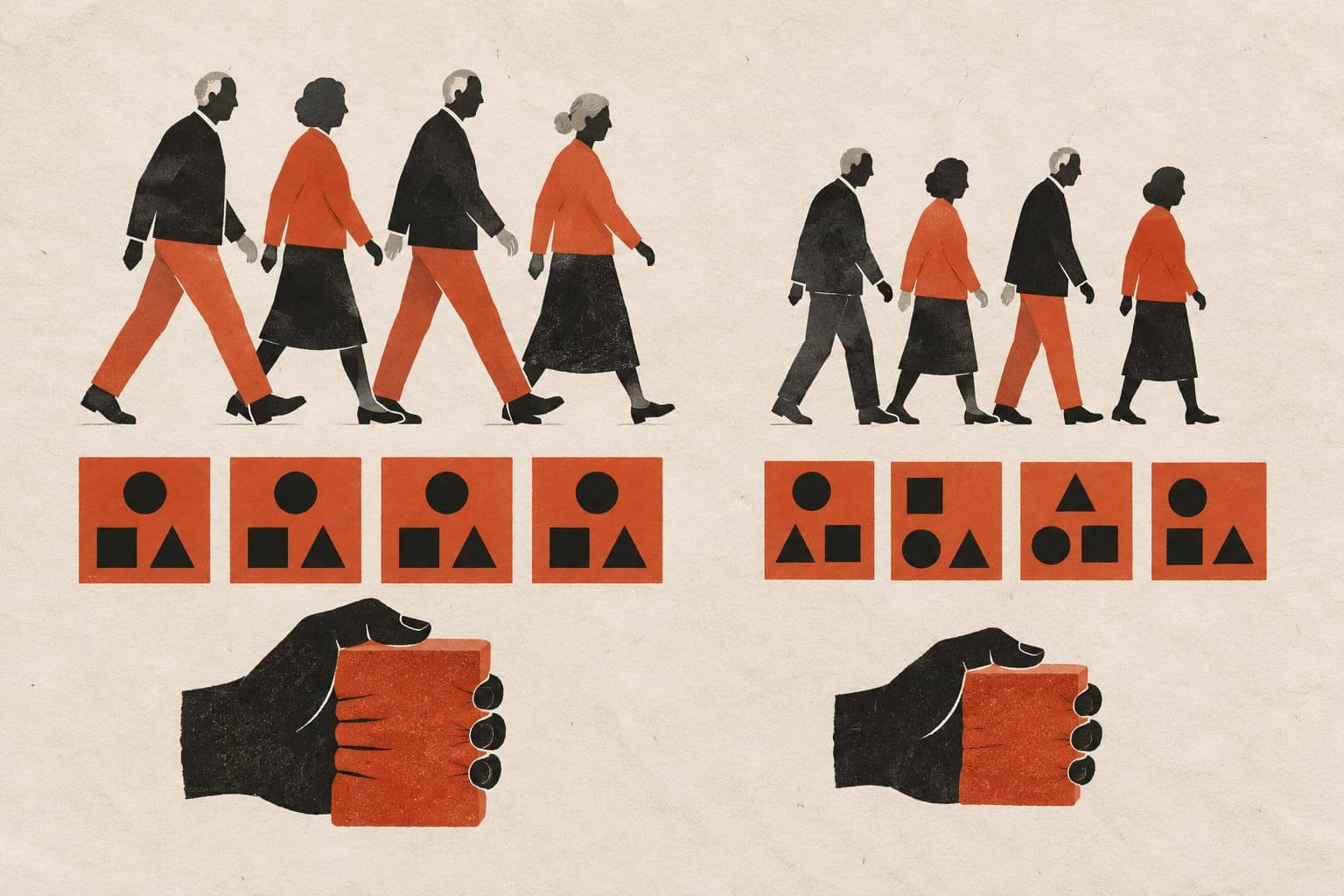
For each of 10 aspects of walking, the researchers trained a statistical model on the healthy older adults and scored how far each person's walking deviated from it, then identified which measures drove each deviation. Both slow-walking groups showed differences consistent with their slower speed. Only the syndrome group differed from both other groups in three further aspects: more variation from step to step, movement paths that diverged more, and less complex walking dynamics. The largest was the divergence of movement paths, a sign of a reduced ability to damp small disturbances while walking. In the measures of walking dynamics specific to the syndrome, side-to-side movement of the torso contributed most, pointing to altered balance control, consistent with the higher fall risk reported in the syndrome. Torso movement that fluctuated more predictably and less complexly set the syndrome group apart from healthy older adults, but not from the slow walkers.
Why it matters
The syndrome identifies older adults at increased risk of major cognitive disorders. Walking speed reflects many factors in the body and brain, and comparing slow walkers without thinking complaints separates what comes from walking slowly from what is specific to the syndrome. The authors suggest that scores for each aspect of walking may help detect and monitor people at increased risk, if long-term studies confirm that they predict decline.
Caveats
These observational group differences do not establish whether the scores predict future cognitive disorders. The syndrome group included only 20 people. The slow-walking group still walked slightly faster (a median of 1.07 versus 1.00 meters per second), and how consistent the scores are on repeat testing has not yet been established.
Corrected Nov 3, 2026, after the authors pointed out something the story underplayed and a detail the story called missing that the full paper gives.



Comments
Be the first to comment.