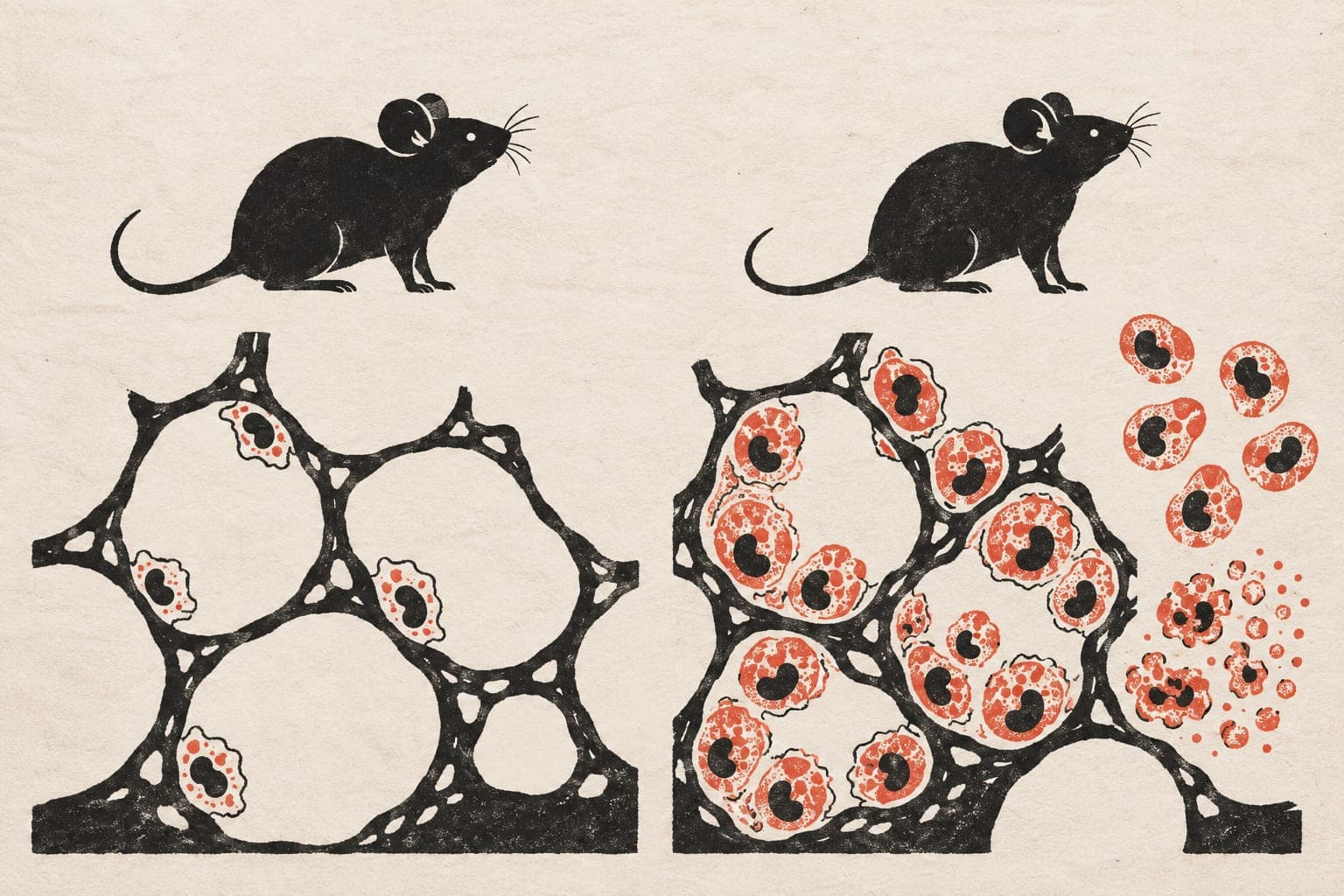
IL-9R/Arg1 pathway promotes polyamine metabolism in human airway macrophages
Abstract
BACKGROUND: Lung macrophages are central regulators of inflammatory responses in the airways and lung parenchyma. Macrophages function as conduits for cytokine function in the inflammatory milieu. We previously demonstrated that IL-9-responsive macrophages are essential for allergic lung inflammation in an arginase 1 (Arg1) pathway. OBJECTIVE: We defined the IL-9/Arg1/polyamine pathway in human macrophages from model systems and asthmatic patient samples. METHODS: Using humanized NSG-Quad mice treated with intranasal IL-9 and patient bronchoalveolar lavage (BAL) samples, we evaluated macrophage phenotypes via flow cytometry, bulk RNA sequencing, and metabolic assays. RESULTS: Two distinct human lung macrophage populations were defined by the expression of CD43. IL-9 promoted the expansion of IL-9R⁺/Arg1⁺CD43⁻ macrophages in humanized mice. In parallel, greater proportions of IL-9R⁺/Arg1⁺CD43⁻ macrophages were observed in asthmatic patient BAL samples compared to healthy control patients. Higher concentrations of polyamines, downstream metabolites of Arg1 function, were detected in BAL of IL-9-treated humanized mice. There were increased concentrations of polyamines in asthmatic patient BAL compared to control samples, and concentrations were positively correlated to BAL IL-9 concentration and increases of IL-9R⁺ and Arg1⁺CD43⁻ macrophages. CONCLUSIONS: IL-9-responsive CD206⁺CD43⁻ macrophages alter the metabolites present in the lung milieu. These data provide evidence for an IL-9R/Arg1/polyamine lung macrophage axis that is active in asthma patients.
The paper
Indiana University Indianapolis
The Journal of Allergy and Clinical Immunology, Sep 3, 2026