Inner-ear responses varied despite normal hearing tests
An observational study of 144 ears in young adults found differences in inner-ear responses to sound despite normal hearing-test results.
Our read
Mechanisms- Studied:
- Cross-sectional study of young adults with normal hearing-test results
- What changed:
- Inner-ear amplification varied substantially among young adults despite normal hearing-test results
- The catch:
- The study reports compression differences, not subsequent hearing loss
Editor of record: Boris Djordjevic · AgingResearch.News
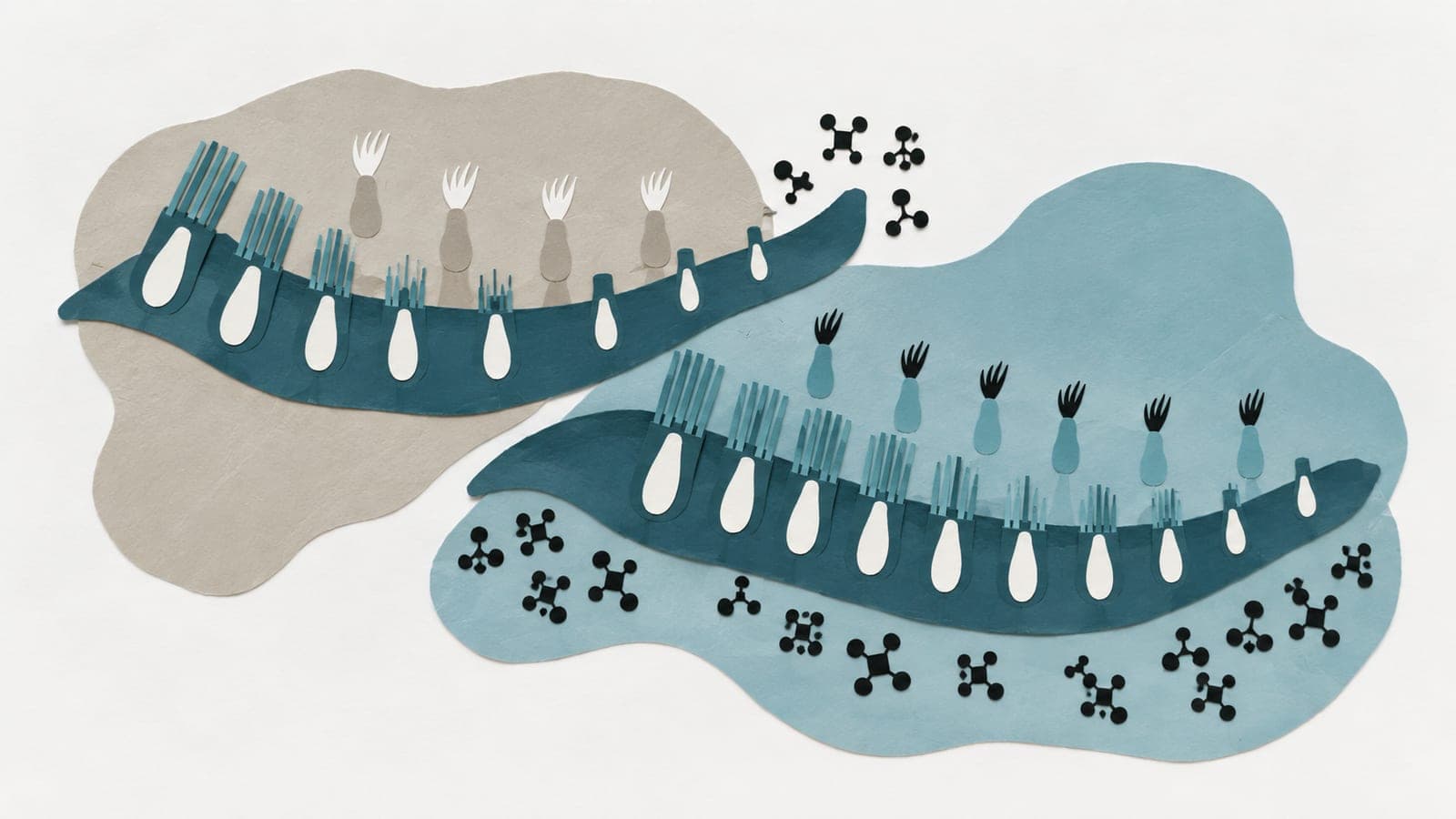
In an observational study of young adults with normal hearing-test results, researchers examined 144 ears. They measured compression, the inner ear’s ability to amplify quiet sounds more than loud ones, using faint sounds produced by the ear in response to sound.
Compression varied substantially between individuals despite hearing thresholds in the normal range. Small differences in the quietest sounds people could hear at standard test frequencies were associated with differences in amplification. Sensitivity to frequencies above the standard test range also showed associations with the ear’s sound responses. Age-related differences were detectable even within this young-adult group. The findings suggest that changes in the inner ear’s sound processing may reflect early dysfunction before overt hearing loss.
Why it matters
The work addresses when inner-ear changes associated with hearing loss may begin, and whether standard hearing tests capture their earliest signs.
Caveats
These observational associations do not show that differences in compression predict future hearing loss. The restricted young-adult cohort also limits conclusions about older adults.
- Cochlear dysfunction
- Distortion product otoacoustic emissions
- Extended high-frequency hearing threshold
- Humans
The paper
The University of Texas at Austin
The Journal of Neuroscience, Aug 31, 2026, Open access
Comments
Be the first to comment.