Frailty and low body mass linked to stopping one diabetes drug class
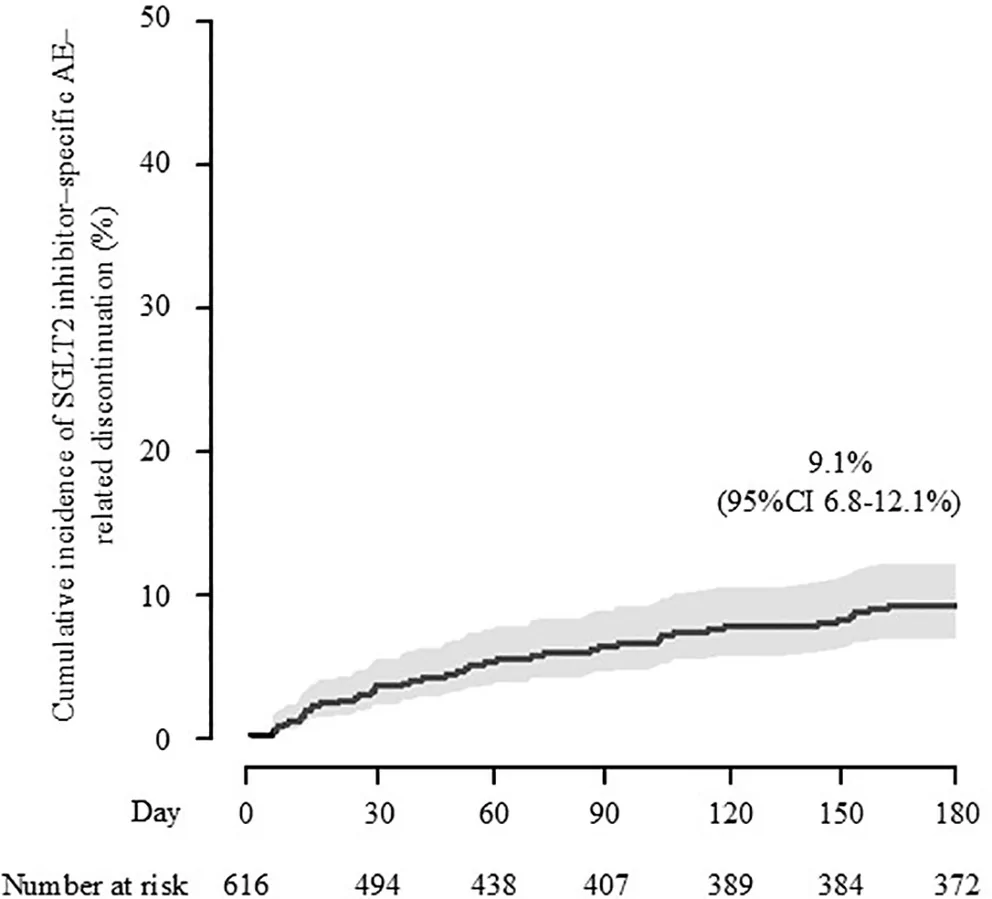
Over 180 days, an estimated 9.1% of 616 Japanese adults aged 75 or older stopped sodium-glucose cotransporter 2 inhibitors because of drug-specific adverse events.
Multicenter
Limit: Investigators assigned frailty scores from medical records
Edited by Boris Djordjevic · AgingResearch.News
The retrospective cohort study included 616 Japanese adults aged 75–97 who started sodium-glucose cotransporter 2 inhibitors, a class of diabetes drugs. Of these, 59.9% were men.
Researchers reviewed 180 days of records from six facilities. Forty-four people stopped because of drug-specific adverse events, including urinary or genital infections (23), low blood pressure, dehydration or fainting (19), kidney function decline (8) and severe diabetes complications (5). Over 180 days, estimated discontinuation rates were 27.1% for scores of at least 5 on a nine-point frailty scale, versus 7.2% for lower scores. Rates were 16.5% with body mass index, a weight-to-height measure, below 22 kg/m² versus 6.1% at 22 or higher. Frailty and low body mass index remained associated with discontinuation after adjustment for other factors; age did not.
Why it matters
The authors suggested that assessing older adults’ physiological reserve—their ability to cope with physical stress—may help identify who needs closer monitoring when starting these drugs.
Caveats
This retrospective observational study identified associations, not causes, and investigators assigned frailty scores from medical records. The findings concern Japanese adults aged 75 or older with diabetes, chronic heart failure or chronic kidney disease, not younger or otherwise healthy people.
The paper
University of Miyazaki
Journal of Diabetes Investigation, Aug 21, 2026, Open access


Comments
Be the first to comment.