Distinct brain systems support afferent and efferent autonomic activity
Abstract
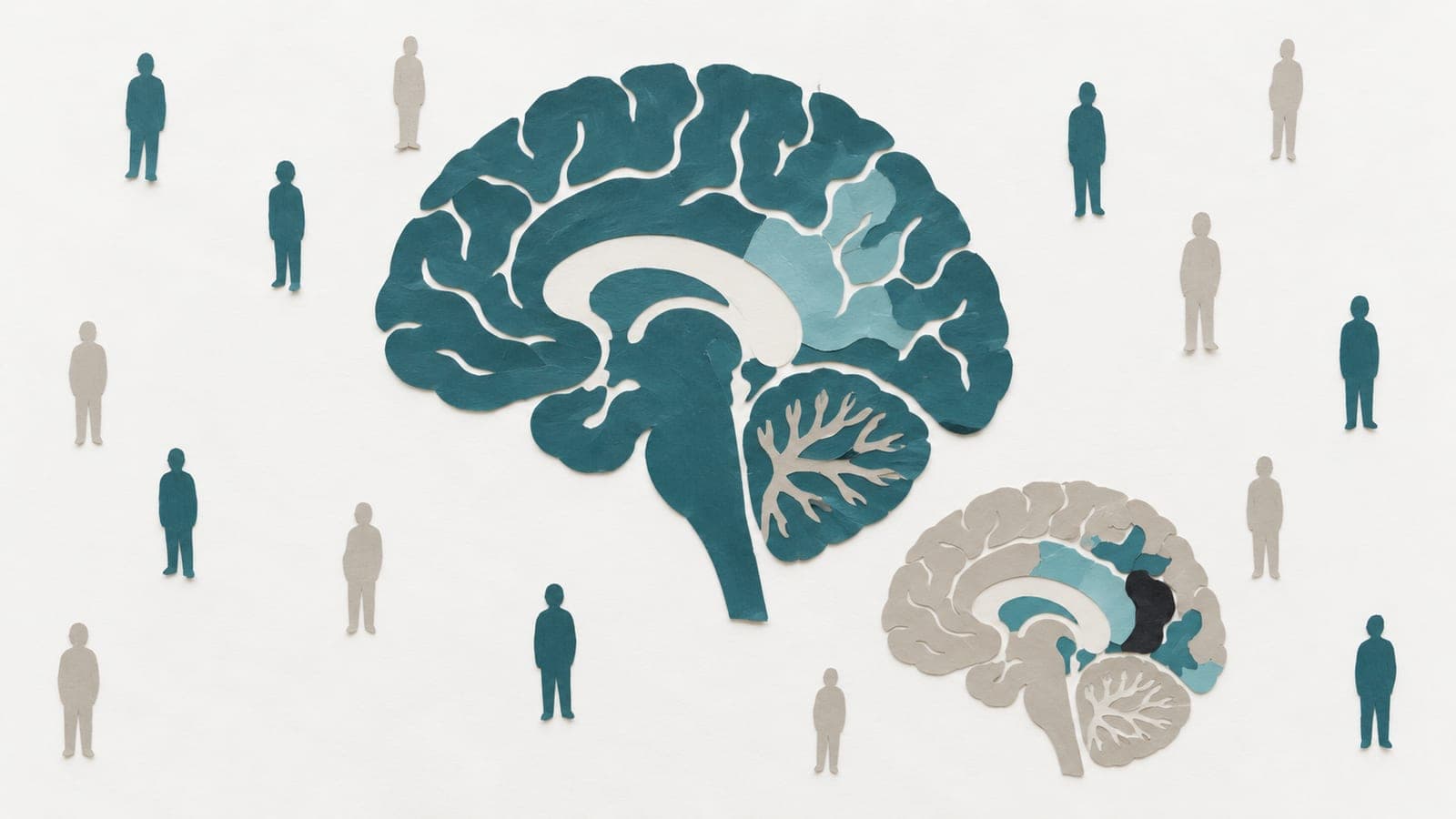
Numerous studies have reported brain correlates of autonomic activity. However, ambiguity exists regarding whether those correlates reflect receiving or sending out autonomic signals. Additionally, little is known about how emotion and aging interact with brain-autonomic coordination. Based on time-varying heart rate variability (HRV) and blood oxygenation level dependent (BOLD) data (N = 104 younger; N = 51 older adults), we found that insular and cingulate activity was negatively correlated with HRV during emotion regulation. We further examined the afferent and efferent nature of HRV-BOLD correlations during rest (N = 102 younger; N = 51 older adults). Functionally afferent regions where increased BOLD activity was associated with preceding decreases in HRV included the posterior insula, postcentral gyrus, and frontal pole. Functionally efferent regions where increased BOLD activity was associated with subsequent increases in HRV included the anterior insula and cingulate cortex. Information appeared to flow in one direction as the afferent regions' activity Granger-predicted the efferent regions' activity. Together, our findings suggest a feedback loop where decreased HRV increases the afferent regions' activity, which activates the efferent regions, leading to increased HRV. Aging appears to affect this system as the efferent and afferent regions scarcely overlapped in younger adults but overlapped in older adults.
The paper
University of Southern California
Social Cognitive and Affective Neuroscience, Jan 21, 2026, Open access