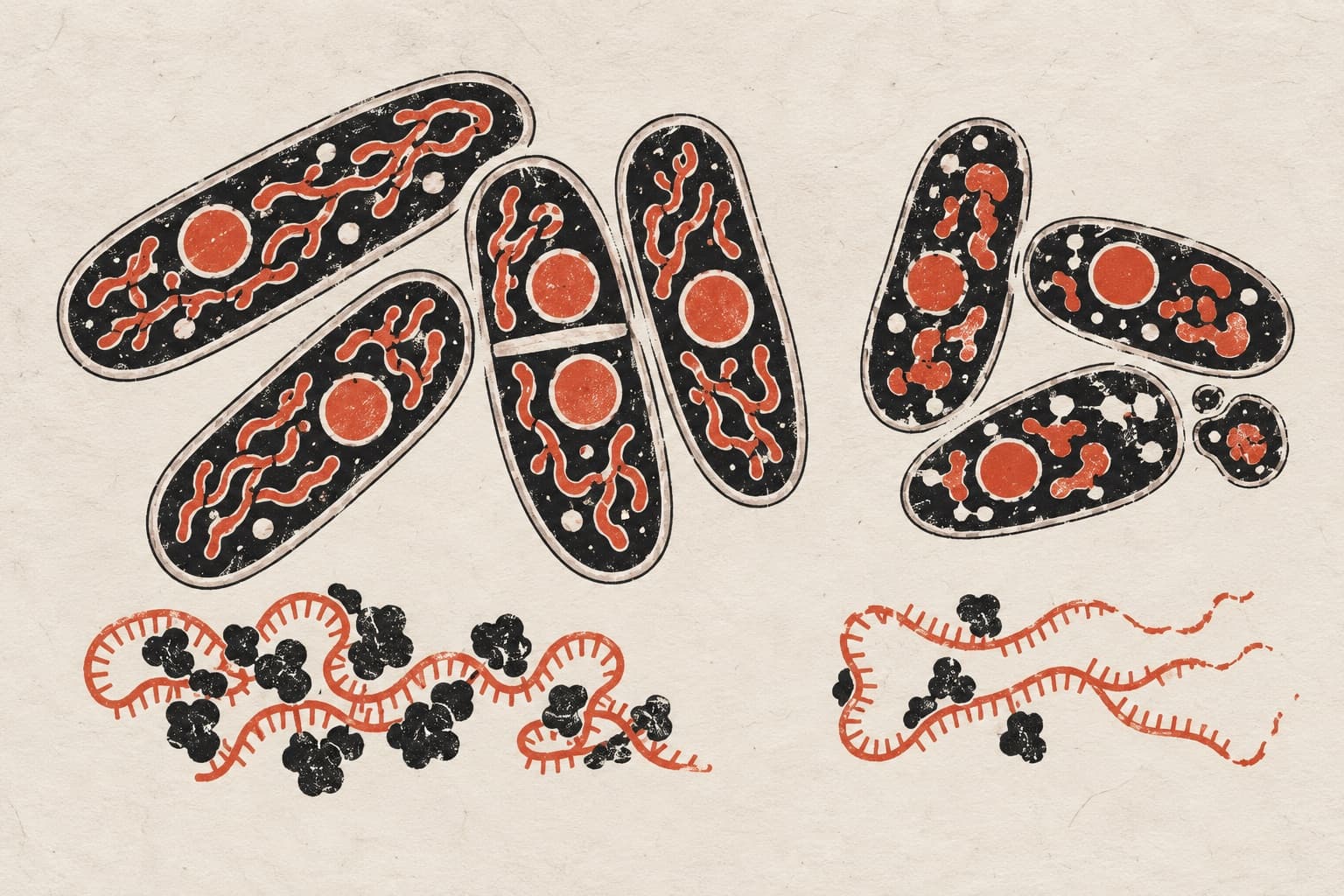
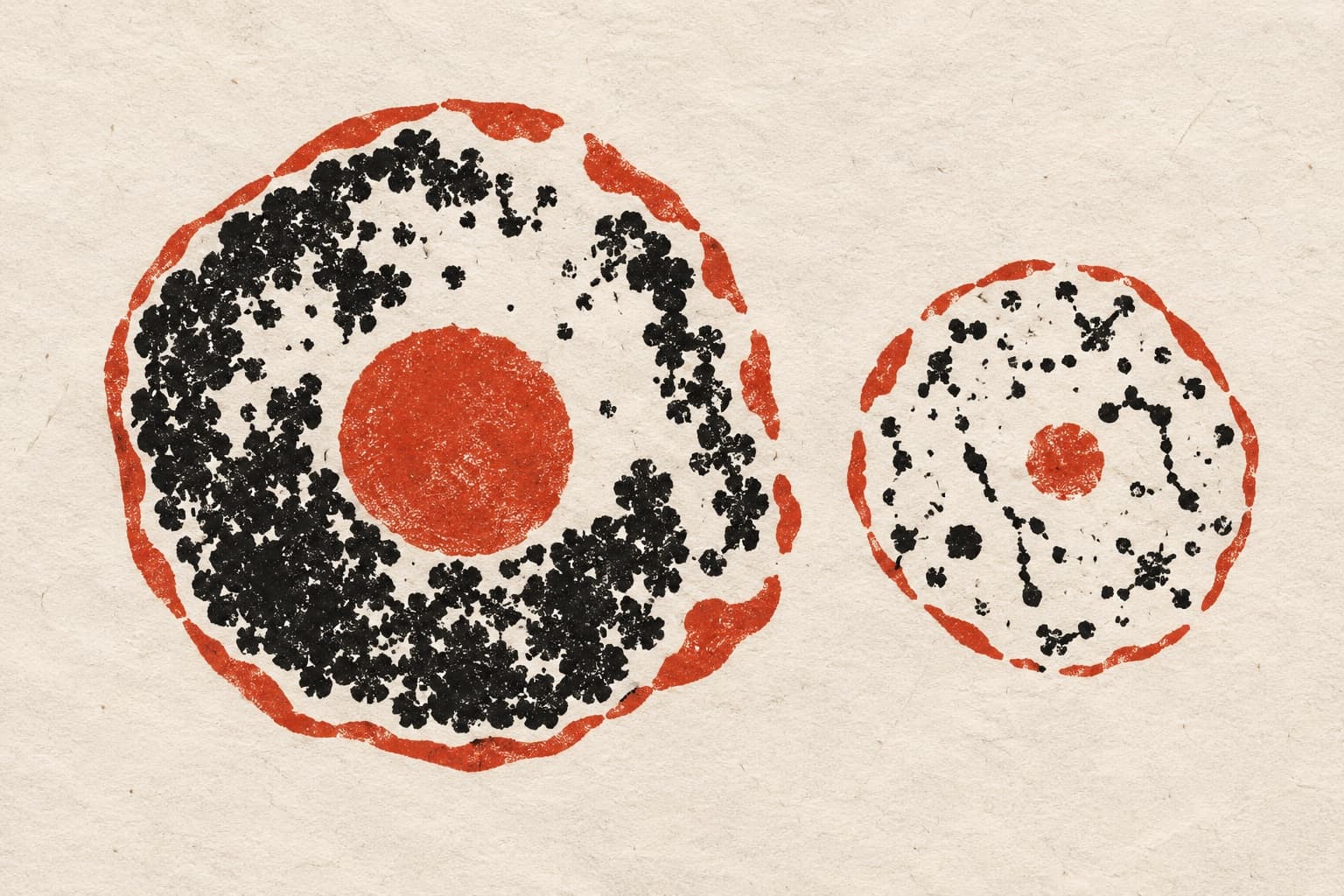
Paf1 Counteracts transcriptional arrest to maintain rDNA stability during pol I elongation
Abstract
Genomic instability drivers of senescence and carcinogenesis. The ribosomal RNA gene (rDNA) locus in budding yeast provides an excellent model to study these processes. Because of its highly repetitive structure and the gene amplification system that maintains its copy number, rDNA represents one of the most unstable regions in the genome. Here, we demonstrate that the integrity of rDNA transcription is essential for maintaining genomic stability and lifespan. Loss of Paf1, an elongation factor associated with RNA polymerase, reduces rDNA transcription, stability, and lifespan. In paf1 mutants, R-loops accumulate within the rDNA, generating single-stranded regions prone to breakage. This triggers double-strand breaks at replication forks, leading to rDNA copy number variation and DNA fragmentation. Torsional stress generated by R-loops also results in the accumulation of Top1. These abnormalities are partially dependent on canonical amplification recombination pathways, including those regulated by replication fork blocking and non-coding transcription.
The paper
The University of Tokyo
Cell Reports, 25 Jun 2026, Open access