Brain energy patterns linked to age in healthy adults
Two brain-energy patterns had squared correlations with age of 0.72 and 0.65, a measure of how closely pattern strength tracked age.
Limit: Brain energy measures were indirect, derived from glucose use and blood flow
Edited by Boris Djordjevic · AgingResearch.News
In 24 healthy adults aged 35–80, a cross-sectional observational study linked age to regional differences in brain energy measures. Researchers combined glucose-use measurements from 60-minute scans with magnetic resonance imaging measurements of blood flow. They derived measures of relative energy production and relative aerobic glycolysis, a way of making energy from glucose while oxygen is available.
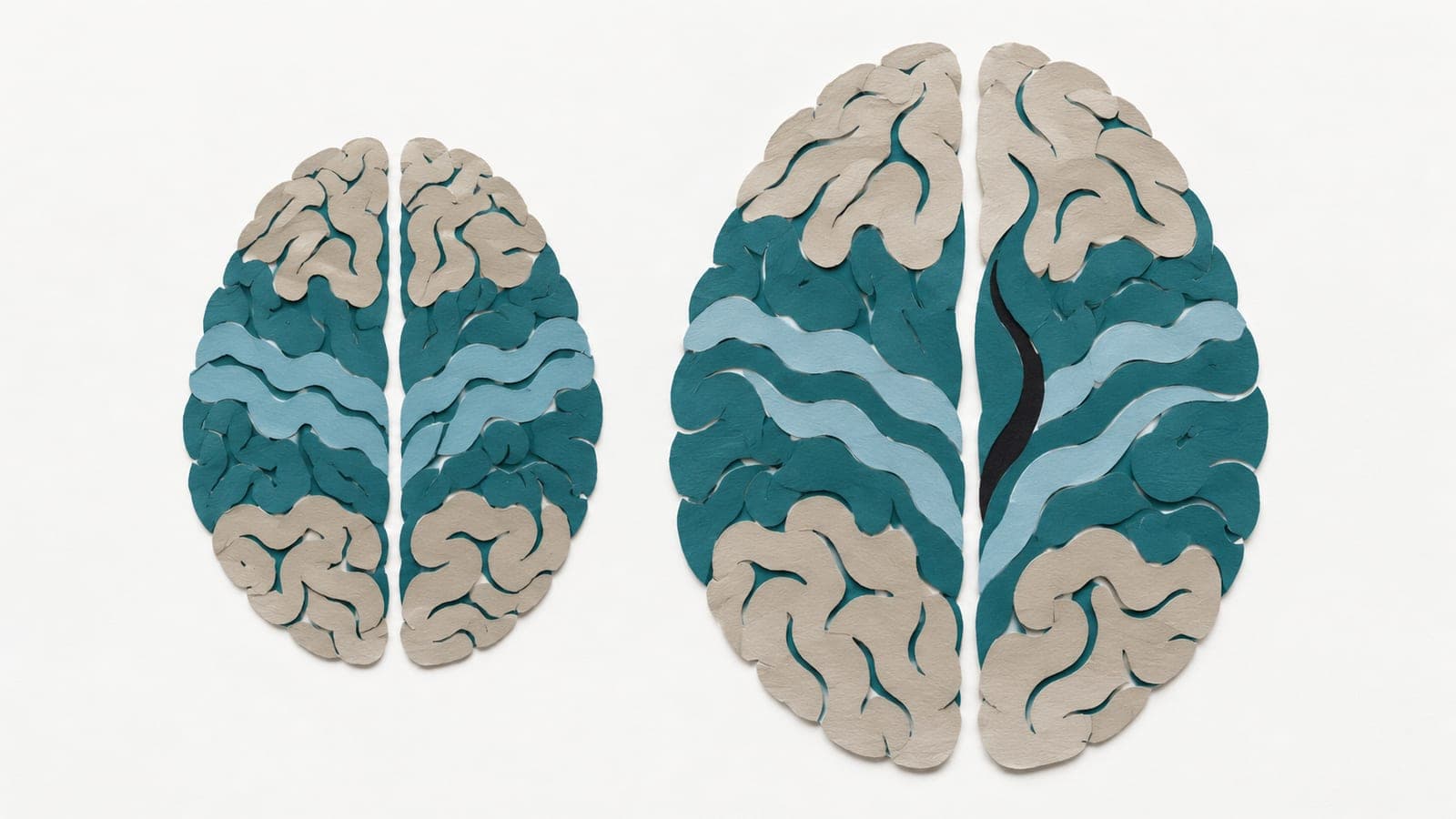
The energy-production pattern linked older age to higher relative values in frontal regions, deep brain structures and the brainstem, alongside lower values in regions toward the back of the brain. The glycolysis-related pattern linked older age to higher values in some deep and rear regions, and lower values in frontal regions and the caudate, a deep brain structure. The energy-production pattern also had a weak spatial resemblance to a known Parkinson’s disease pattern.
Why it matters
How the brain produces and uses energy is one possible link between aging and neurodegenerative disease. The authors interpreted their results as support for potential physiological similarities between the two.
Caveats
The cross-sectional design compared people of different ages rather than tracking individuals over time, and the energy measures were indirect. The small sample excluded people with chronic diseases or an immediate family history of neurodegenerative disorders.
The paper
Age-related changes to brain energetics revealed by PET/MRI imaging
University of British Columbia
NeuroImage Clinical, May 27, 2026, Open access

Comments
Be the first to comment.