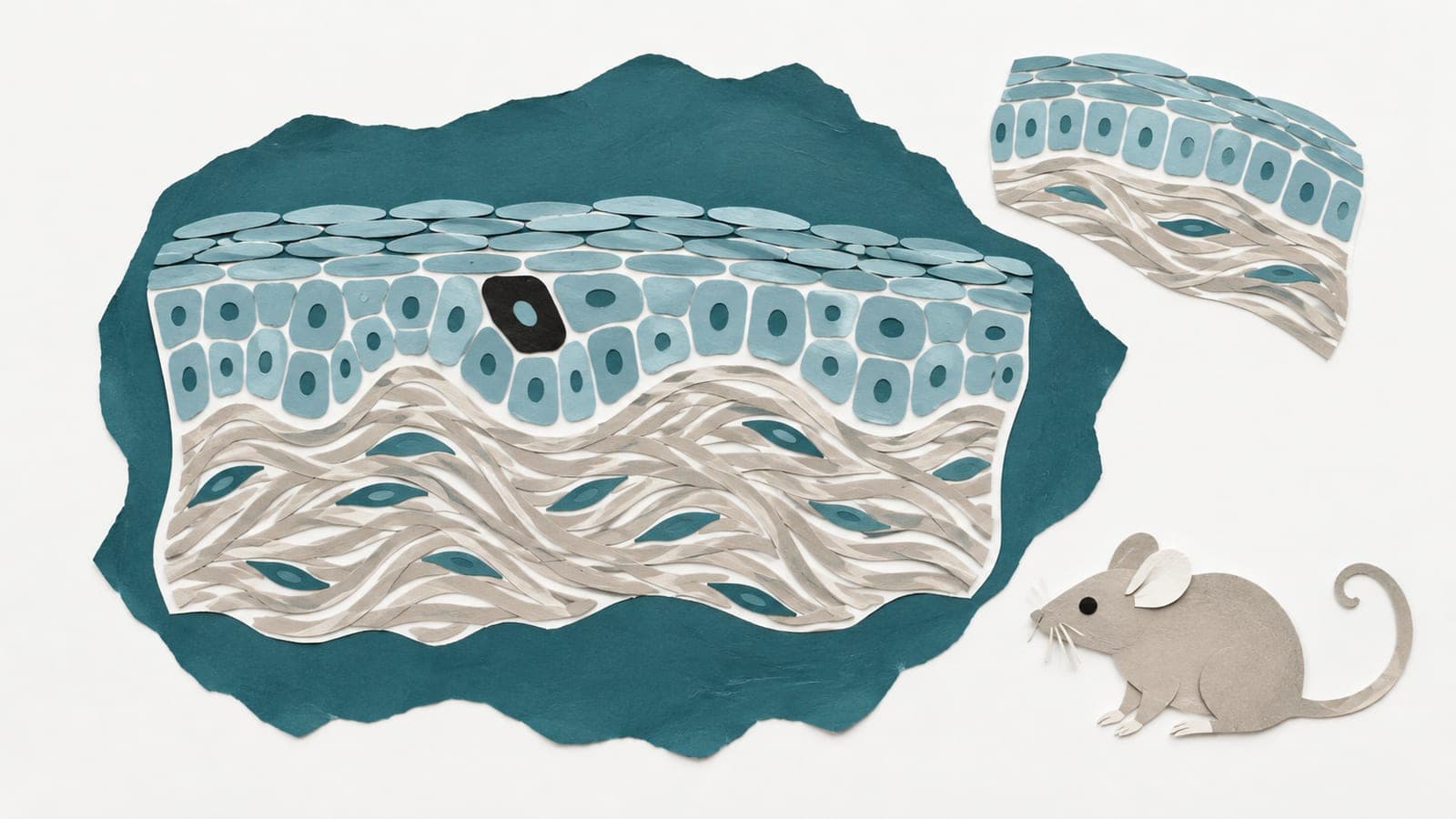
Downregulation of collagen and elastin genes in murine skin following cisplatin and vincristine treatment
Abstract
Cancer survivors are increasingly reported to exhibit signs of accelerated aging, largely attributed to the cytotoxic effects of chemotherapy, which may lead to various age-related conditions. Despite this, treatment-induced alterations in physical appearance-particularly changes in skin structure-are often overlooked in clinical practice and remain poorly understood. This study aimed to elucidate the mechanisms by which cytotoxic anticancer drugs affect skin integrity, with a focus on collagen (type I and III) and elastin, key components associated with skin aging. In a murine model, dietary restriction alone, as well as treatment with each of the anticancer drugs used in this study (cisplatin, 5-fluorouracil, vincristine, irinotecan and cyclophosphamide), led to significant weight loss; however, dermal thinning was observed exclusively in the cisplatin and vincristine. This structural deterioration correlated with a pronounced downregulation of Col1a1, Col1a2, Col3a1, and Eln at both the mRNA and protein levels. Mechanistically, this was accompanied by suppression of the TGF-β/Smad signaling pathway, evidenced by reduced TGF-β expression and Smad2 phosphorylation. Furthermore, the gene expression of Loxl1 and Loxl2-enzymes critical for collagen and elastin cross-linking was significantly diminished. These findings suggest that cisplatin and vincristine compromise dermal architecture by disrupting TGF-β signaling and extracellular matrix homeostasis, potentially contributing to premature skin aging in cancer survivors.
The paper
Hoshi University
Toxicology and Applied Pharmacology, 20 Aug 2025