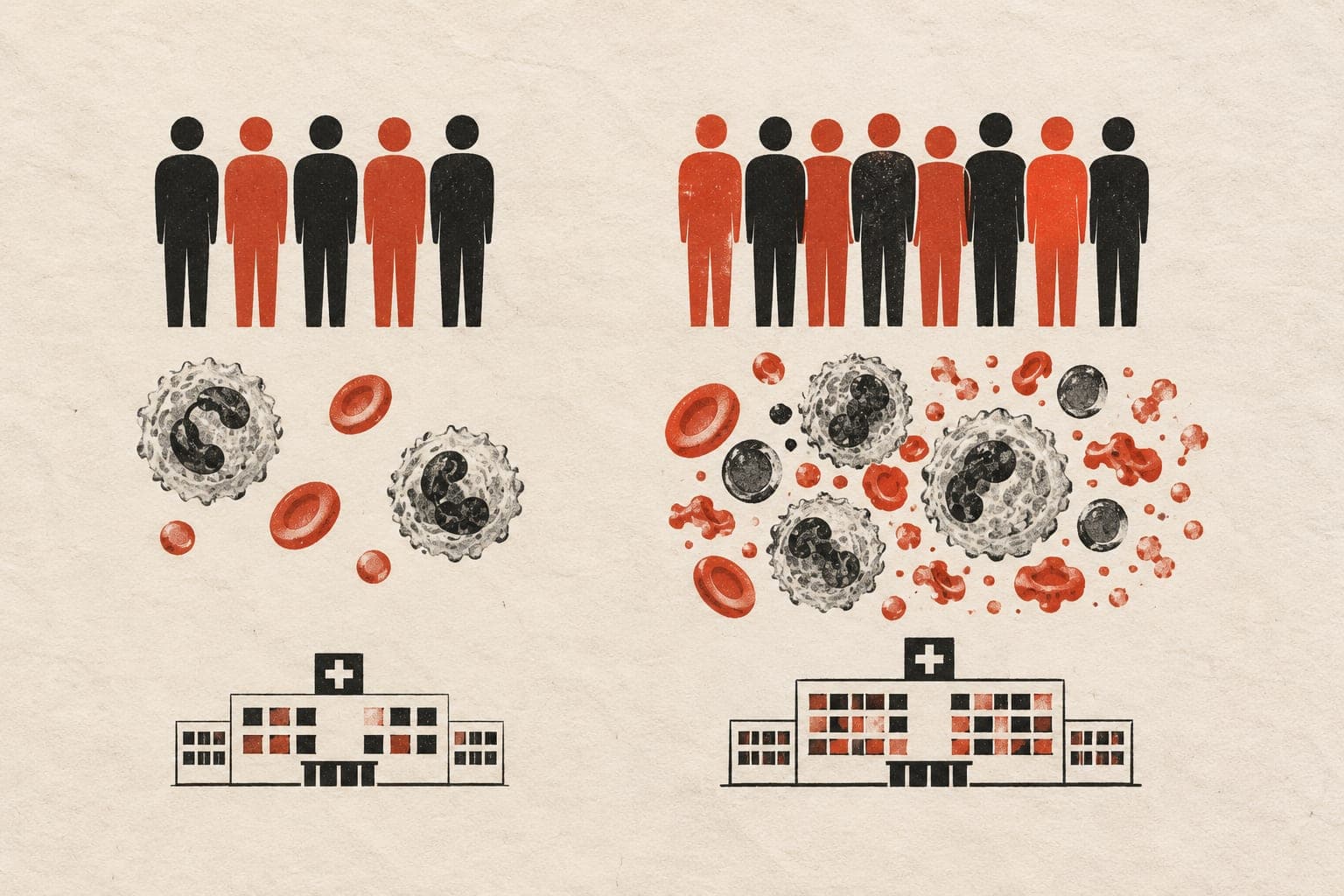
Cardiotoxicity in Elderly Breast Cancer Patients
Abstract
Cardiotoxicity is a leading cause of mortality in the growing populations of elderly breast cancer (BC) patients. Breast cancer treatment in the elderly is highly challenging due to its heterogeneous nature and the lack of specific evidence, as this population is usually underrepresented in randomized clinical trials. Decision making requires a comprehensive approach, considering the type and stage of BC, the patient's overall health status, life expectancy, geriatric and frailty assessment, the risk of cancer recurrence, comorbidities, cardiotoxicity risk, and the patient's preferences. The cardiotoxic effects of BC treatments cover the whole spectrum of cardiovascular diseases: heart failure, hypertension, arrhythmias, and myocardial ischemia. Cardiotoxicity risk in these patients is defined by several factors: anticancer therapies, polypharmacy, established cardiovascular disease, comorbidities, frailty, cellular senescence, hormonal changes, and genetic predisposition. Preventive oncological and cardio-oncological strategies, as well as patients' education, are critical for improved outcomes. Prospective clinical trials in this population are urgently needed.
The paper
National and Kapodistrian University of Athens
Cancers, 30 Jun 2025, Open access