Evening exercise may aid arteries in older adults with type 2 diabetes
In a 12-week randomized trial of 66 older adults with type 2 diabetes, an exploratory comparison favored evening over morning exercise for artery stiffness.
Registered ChiCTR2300073737
Limit: Lipid-lowering medication use differed between groups and could have influenced vascular responses
Edited by Boris Djordjevic · AgingResearch.News
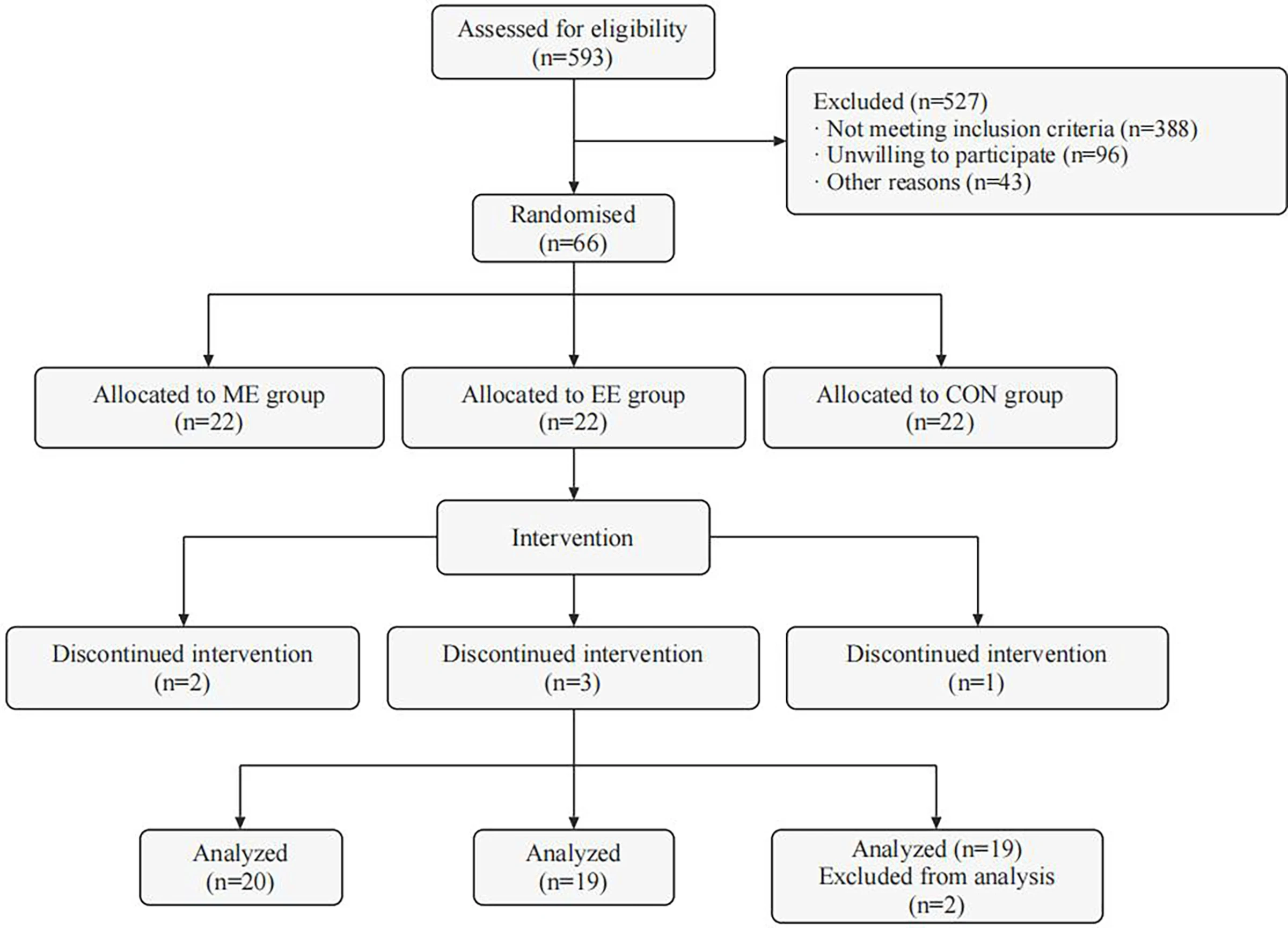
In a randomized trial, 66 older adults with type 2 diabetes were assigned to morning exercise, evening exercise or a control group, with 22 in each. The exercise groups received online, moderate-intensity aerobic and resistance exercise three times weekly for 12 weeks. Morning sessions ran from 9:00 to 10:10; evening sessions ran from 19:00 to 20:10. Controls maintained their usual lifestyle and attended weekly health education sessions.
The final analysis included 58 participants. Both exercise groups improved a measure of blood vessel widening and reduced blood pressure and artery stiffness from baseline. An exploratory comparison found a greater reduction in artery stiffness with evening exercise than with morning exercise. The authors concluded that timing may influence blood vessel responses to exercise, with evening sessions potentially offering additional benefits, particularly for artery stiffness.
Why it matters
Blood vessel dysfunction is linked to cardiovascular disease risk in type 2 diabetes. The trial addressed whether exercise timing matters for blood vessel health in older adults.
Caveats
Direct comparisons between exercise times were exploratory, and the final analysis included 58 of the 66 randomized participants. The results concern older adults with type 2 diabetes; the abstract does not report cardiovascular events or adverse events.
From the paper
- Participants
We enrolled 66 eligible participants and randomly assigned them to three groups (n = 22 each).
- Limitation
First, owing to practical constraints, we did not include an afternoon exercise group.
Quoted word for word from the full text on frontiersin.org.
- Combined aerobic and resistance training
- Type 2 diabetes
- Blood pressure
- Brachial-ankle pulse wave velocity
- Flow-mediated vasodilation
- Humans
The paper
Shanghai University of Sport
Frontiers in Endocrinology, Oct 16, 2026, Open access, CC BY


Comments
Be the first to comment.