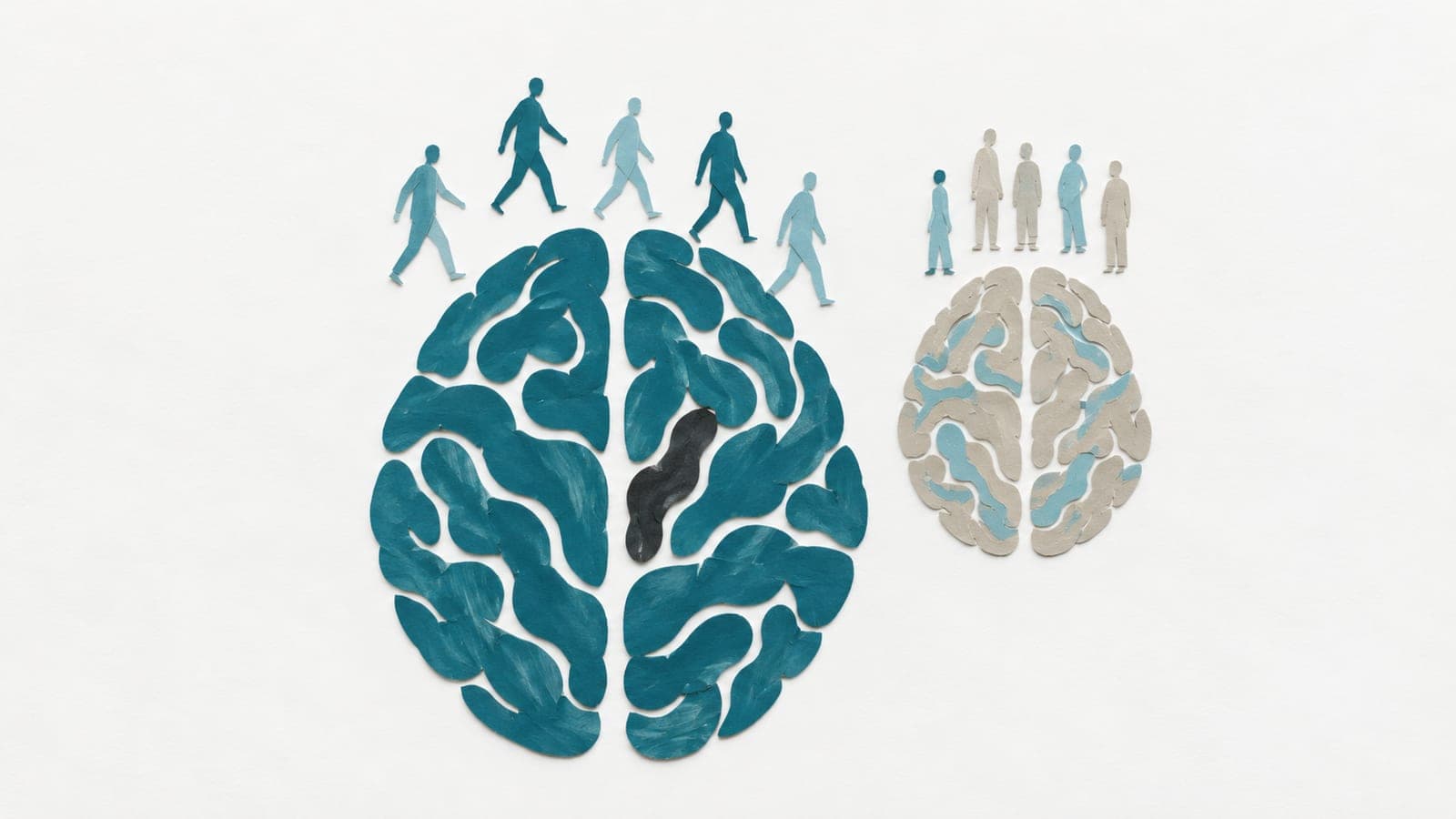
Effects of transcranial direct current stimulation on gait and balance in patients with Parkinson's disease according to levels of motor impairment
Abstract
INTRODUCTION: Parkinson's disease (DP) is a progressive neurodegenerative condition that impairs gait, balance, and functional independence, even with pharmacological treatment. Transcranial direct current stimulation (ETCC) is a promising noninvasive neuromodulatory strategy for enhancing rehabilitation. OBJECTIVE: To evaluate the acute effects of ETCC on gait and balance in patients with DP who engage in physical exercise, at different levels of motor impairment. METHODS: An experimental, randomized, double-blind study with 14 patients with DP from the Parkinson Project at Unifadra. Each participant underwent three sessions: unilateral ETCC (M1), bilateral ETCC (multitarget), and placebo (sham), in randomized order. Clinical/functional assessments were performed before and after each session: MDS-UPDRS, 10-meter Walk Test, and Mini-BESTest. Patients were stratified by total UPDRS score. Statistical analysis used repeated-measures ANOVA or the Friedman test, depending on the normality of the data. RESULTS: Both active ETCC modalities increased gait speed compared with placebo, with differences of 0.098 m/s (multitarget) and 0.108 m/s (M1), without statistical significance after correction for multiple comparisons. No clinically relevant changes in balance on the Mini-BESTest or differences between modalities were observed. CONCLUSIONS: A single ETCC session may produce a favorable acute response in gait speed, but the results do not allow definitive efficacy to be established. There were no clinically relevant effects on balance or superiority of multitarget stimulation. The findings reinforce the need for studies with larger samples, more sessions, and adequate control of period effects.
The paper
Research Society and Development, 7 Oct 2026, CC BY