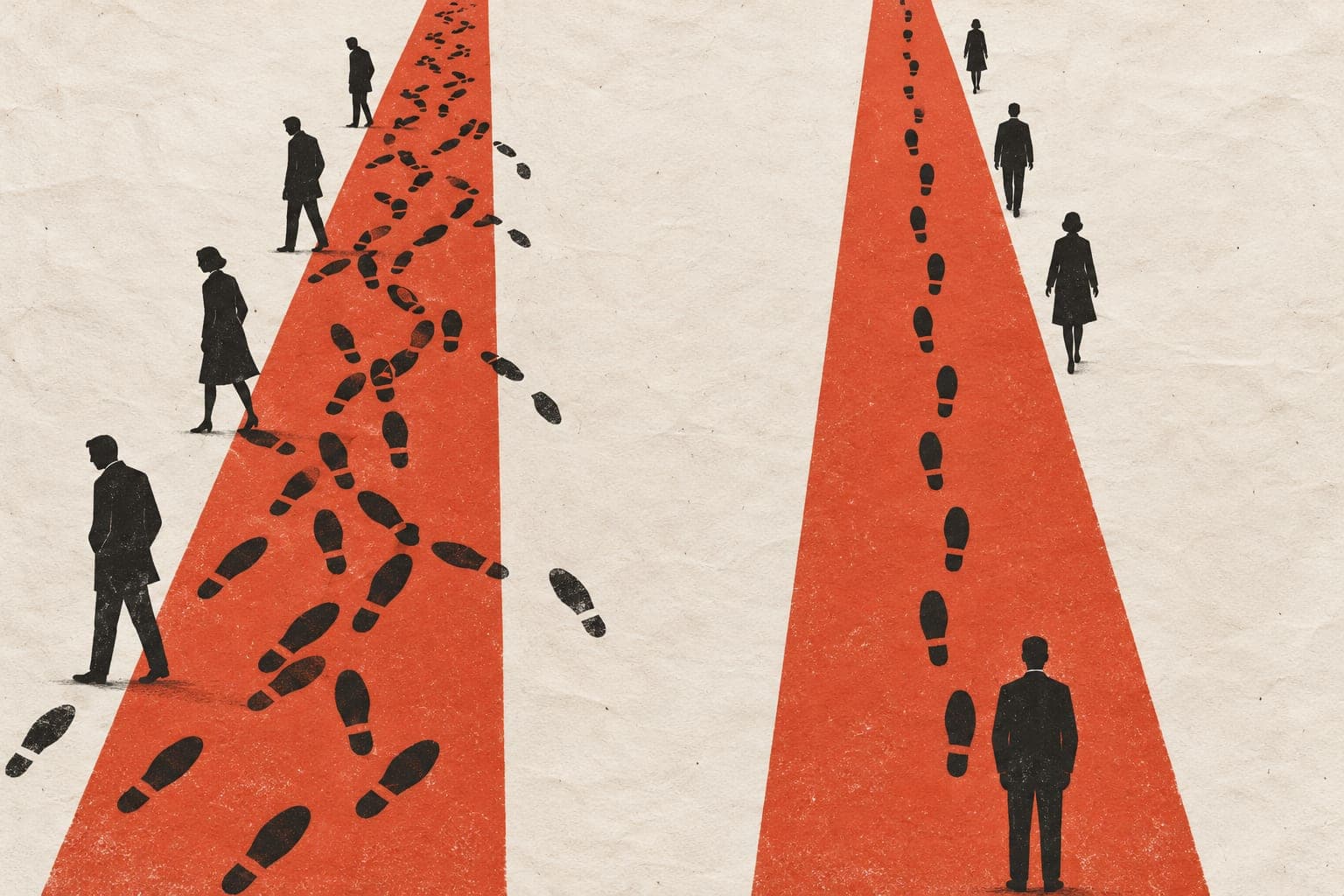
The Demographic Characteristics Affecting Fear of Falling Avoidance Behaviors in Older Adults
Abstract
Abstract Purpose: Not only falling but also fear of falling deeply affects people's social participation and quality of life. We aimed to investigate the relationship between demographic characteristics and the fear of falling and consequently the life habits and satisfaction in elderly people.Methods: In a cross-sectional study, a total of 203 people aged over 60 years were recruited in Tehran, and assessed using the Fear of Falling Avoidance Behaviors Questionnaire, Falls Efficacy Scale (FES-1), and Life Habits tests (Life-H). Data were used to measure the prevalence of fear of falling and its correlation with life habits.Results:Correlation coefficient of total score of the questionnaire was directly correlated with Fall efficacy scale (p <0.001, r = 0.94), and inversely correlated with Activity (p = 0.004, r = -0.51), and Satisfaction levels (p = 0 (003, r = -0.53) of Life-Habits questionnaire.There were significant correlations between age and FFABQ scores (r=28%, P<0.001), educational level (p<0.000), and also significant relation between gender and fear of falling (p=0.006). The chi-square test showed a significant relationship between the history of falling with fear of falling (p<0.001).Conclusion: fear of falling severely affects life habits and decreases Iranian older people's social activity and participation. It is strongly affected by demographic characteristics such as gender, age, and education.Trial registration number: IR.USWR.REC.1398.093Date of registration: 4th August 2019
The paper
University of Social Welfare and Rehabilitation Sciences
Research Square, Aug 24, 2021, Open access, CC BY, Preprint, not peer-reviewed