Software flags possible unrecognized heart disease in US adults
Screening heart electrical recordings flagged 12,517 adults (4.8%) without confirmed disease as probable cases of a condition involving protein buildup in the heart.

Our read
Biomarkers- Studied:
- Cohort study of 289,848 adults aged 50-95 (Multicenter)
- What changed:
- AI-ECG flagged 12,517 (4.8%) individuals without confirmed disease as probable ATTR-CM
- The catch:
- A positive screen was not a diagnosis; only 2,307 adults had confirmatory scan results
- In the record:
- The 9th paper on ai-ecg with results in people; 15 on record in all.
Editor of record: Boris Djordjevic · AgingResearch.News
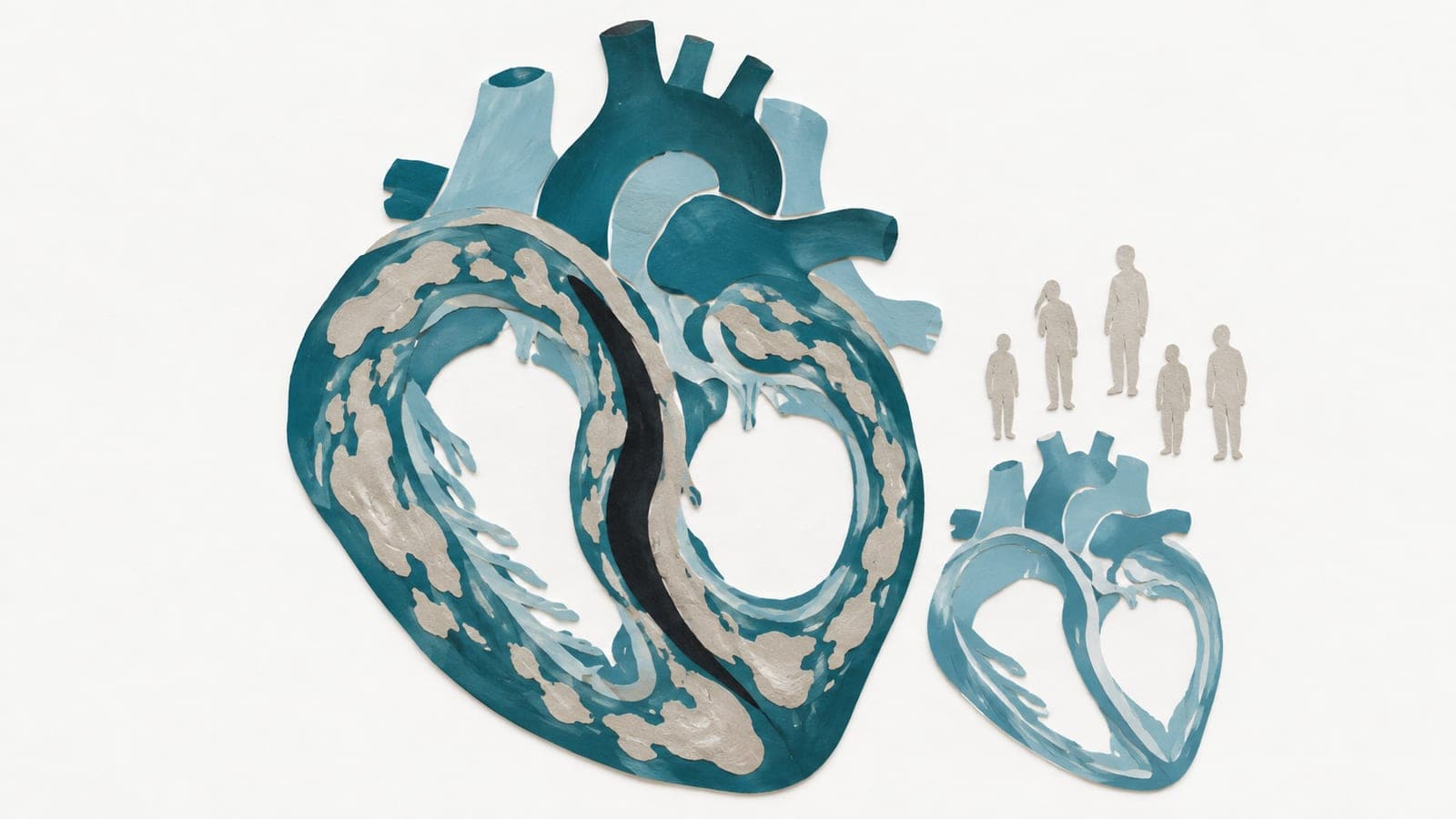
Medical records from 289,848 adults aged 50–95, including 144,281 women, were analyzed in a retrospective observational study across eight US health systems. All had an electrocardiogram, a recording of the heart’s electrical activity, and a heart ultrasound within one year of each other. Artificial intelligence screened the electrical recordings for transthyretin amyloid cardiomyopathy, a disease involving protein buildup in the heart.
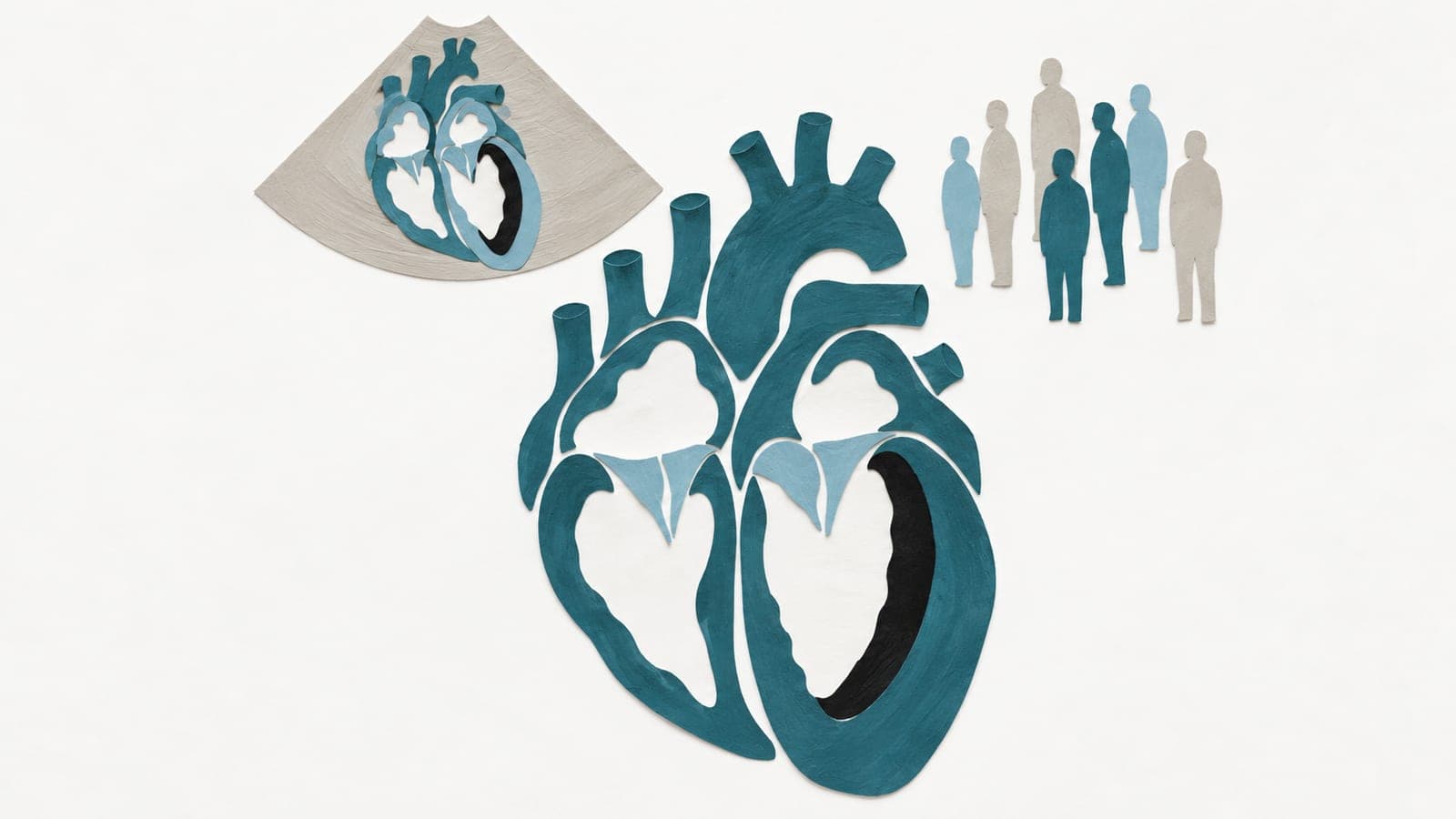
The software flagged 12,517 people (4.8%) without confirmed disease as probable cases. A separate model analyzed heart ultrasound scans from 13,031 participants and flagged 382 (2.9%) without confirmatory testing as probable cases. Combining electrical and ultrasound screening improved case detection. The authors proposed a stepwise, software-guided pathway to identify people who may benefit from confirmatory testing.
Why it matters
For older adults, timely recognition of this heart condition matters because therapies that alter its course are available. The work addresses whether existing heart tests could help guide further diagnostic testing.
Caveats
A positive screen was not a diagnosis; only 2,307 of the 289,848 adults had confirmatory scan results or were taking disease-specific therapy. This conference abstract covered adults aged 50–95 who had both heart tests, so its screening rates do not represent all US adults.
The paper
Yale University
AHA Scientific Sessions 2026 Abstract, Nov 2, 2026
Presented at AHA Scientific Sessions 2026, abstract 8182


Comments
Be the first to comment.