Blocking cell fusion inhibits age-induced polyploidy and maintains epithelial organization in Drosophila
By Dehn AS, Gogna N, Nishina PM et al.
Abstract
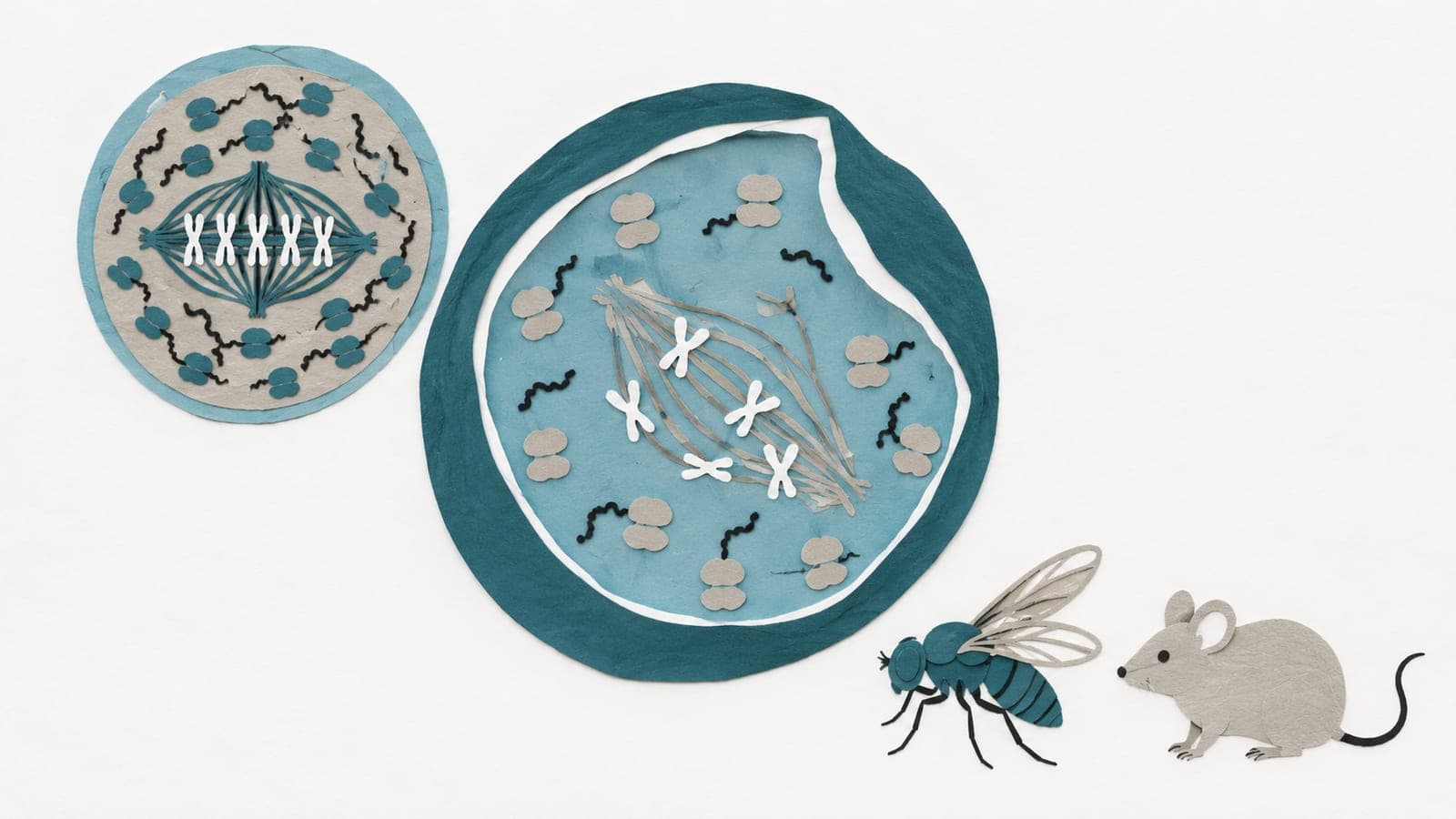
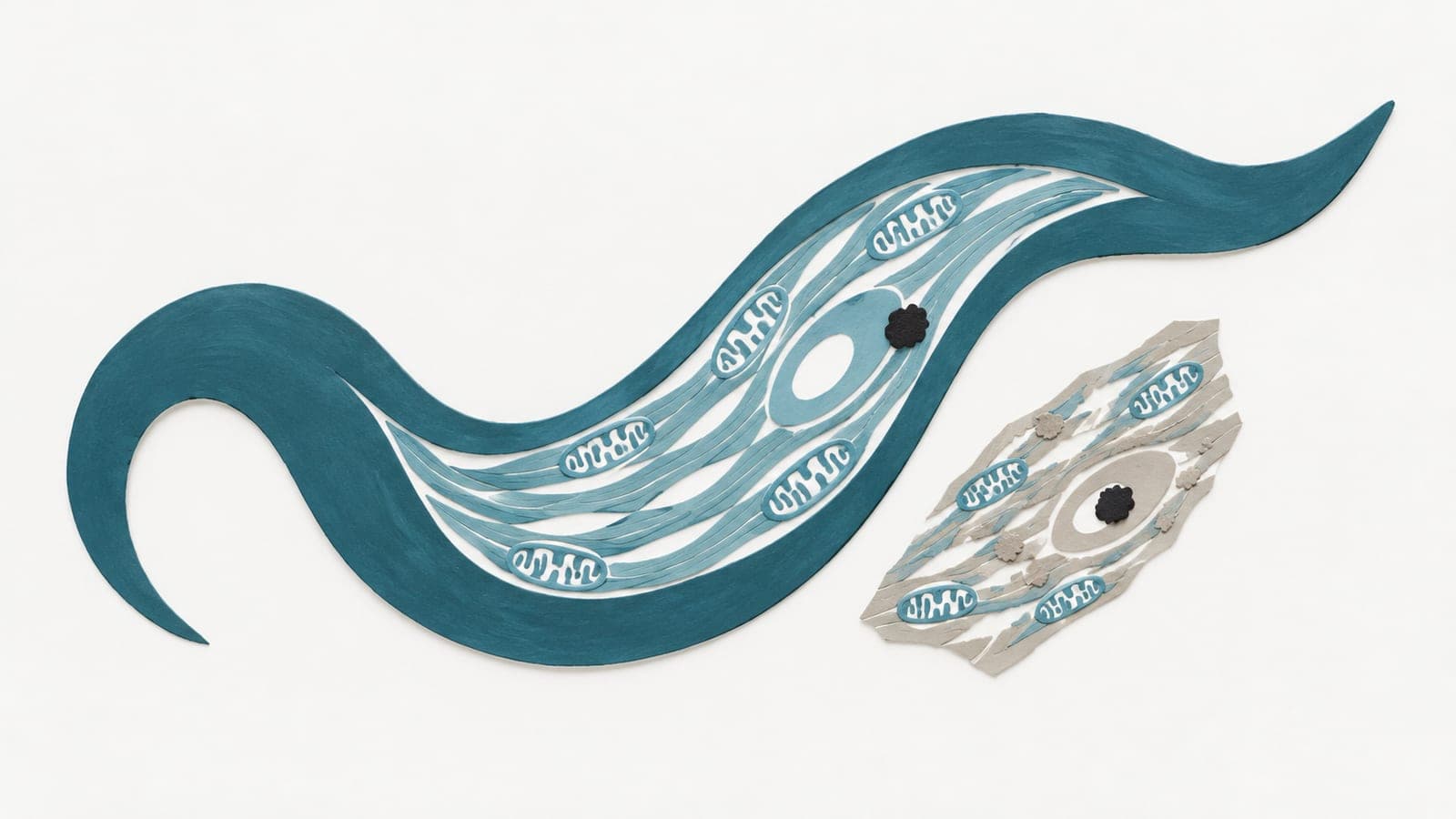
Summary A characteristic of normal aging and age-related diseases is the remodeling of a tissue’s cellular organization through polyploid cell growth. Polyploidy arises from an increase in nuclear ploidy or the number of nuclei per cell. However, it is not known whether age-induced polyploidy is an adaption to stressors or a precursor to degeneration. Here, we find that the adult fruit fly’s abdominal epithelium becomes polyploid with age through generation of large multinucleated cells that make up more than 40% of the tissue area. The syncytia arise by cell fusion, not endomitosis. Epithelial multinucleation is also a characteristic of macular degeneration, including Ctnna1 tvrm5 , a mouse model for pattern dystrophy. Similarly, we find that the knockdown of alpha-catenin enhances multinucleation in the fly epithelium. We further show that age-induced polyploidy can be suppressed by inhibiting cell fusion revealing a means to maintain tissue organization in older animals.
The paper
Dehn AS, Gogna N, Nishina PM et al.
bioRxiv, Aug 9, 2021, Open access, Preprint, not peer-reviewed