Liver protein helps exercise boost bone formation in mice
Deleting the protein’s gene in liver cells substantially reduced exercise-induced bone formation in mouse experiments.
Our read
Interventions- Studied:
- Experiments in mice, against mice retaining liver-cell Agp2
- What changed:
- Deleting Agp2 in liver cells reduced exercise-induced bone formation in mice
- The catch:
- The text reports bone formation, not bone strength or fracture outcomes
Editor of record: Boris Djordjevic · AgingResearch.News
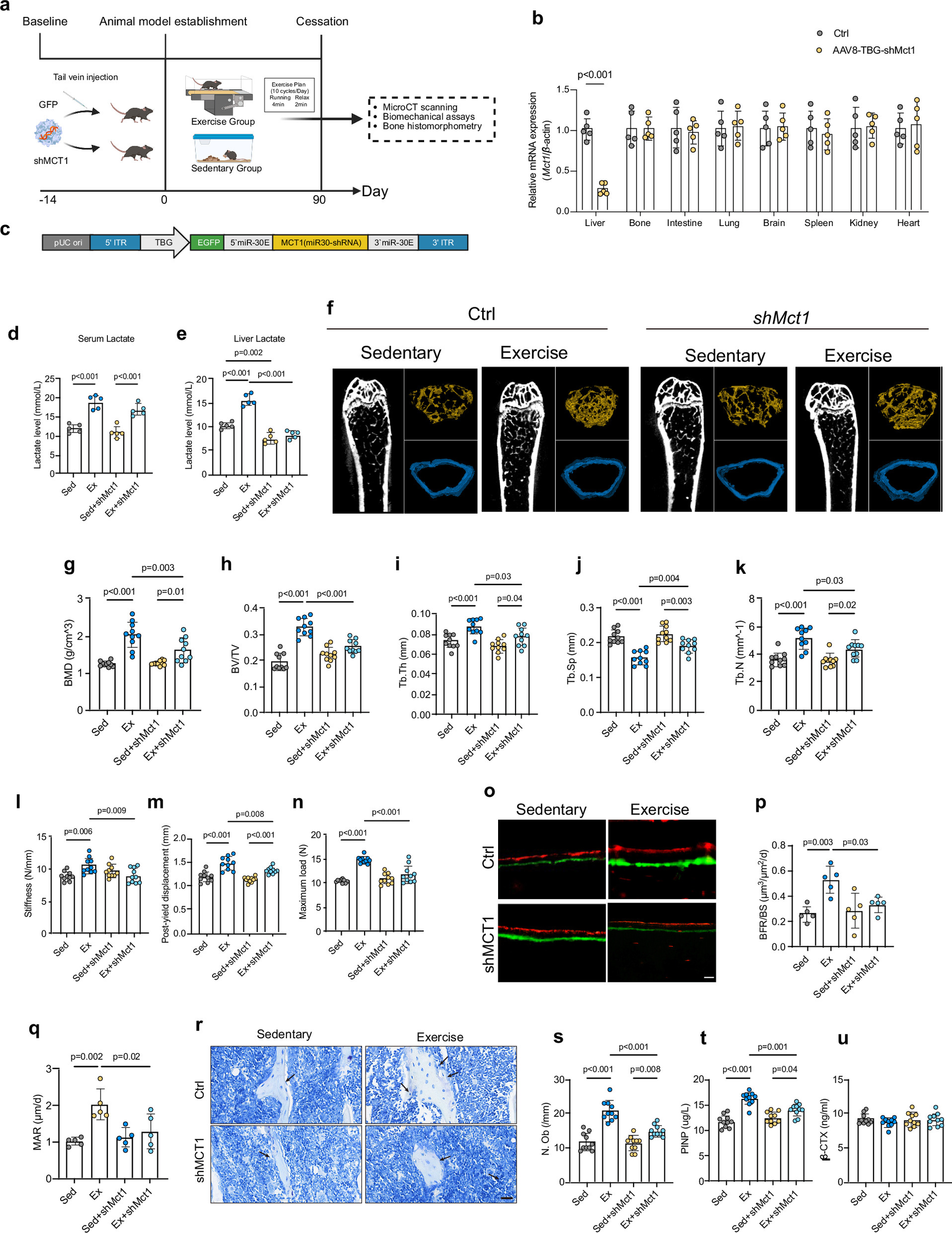
Mice that exercised had higher blood levels of AGP2, a protein released by the liver, in animal experiments examining its role in bone formation. Deleting the protein’s gene specifically in liver cells substantially reduced exercise-induced bone formation.
Increasing AGP2 production in the liver prevented bone loss in mice whose ovaries had been removed. Giving a laboratory-made version of AGP2 also eased bone loss in mouse models of osteoporosis, a condition that weakens bones. The researchers separately found that exercise increased circulating AGP2 in humans. The authors identified the protein as a mediator of exercise’s bone-building effects.
Why it matters
For osteoporosis and other metabolic bone disorders, the authors suggest AGP2 as a potential treatment target.
Caveats
The experiments testing AGP2’s effects on bone were in mice. They do not show whether giving the protein would improve bone health in people.
Exercise is part of Bryan Johnson's Blueprint
The paper
Nature Communications, Nov 25, 2026, CC BY-NC-ND
Comments
Be the first to comment.