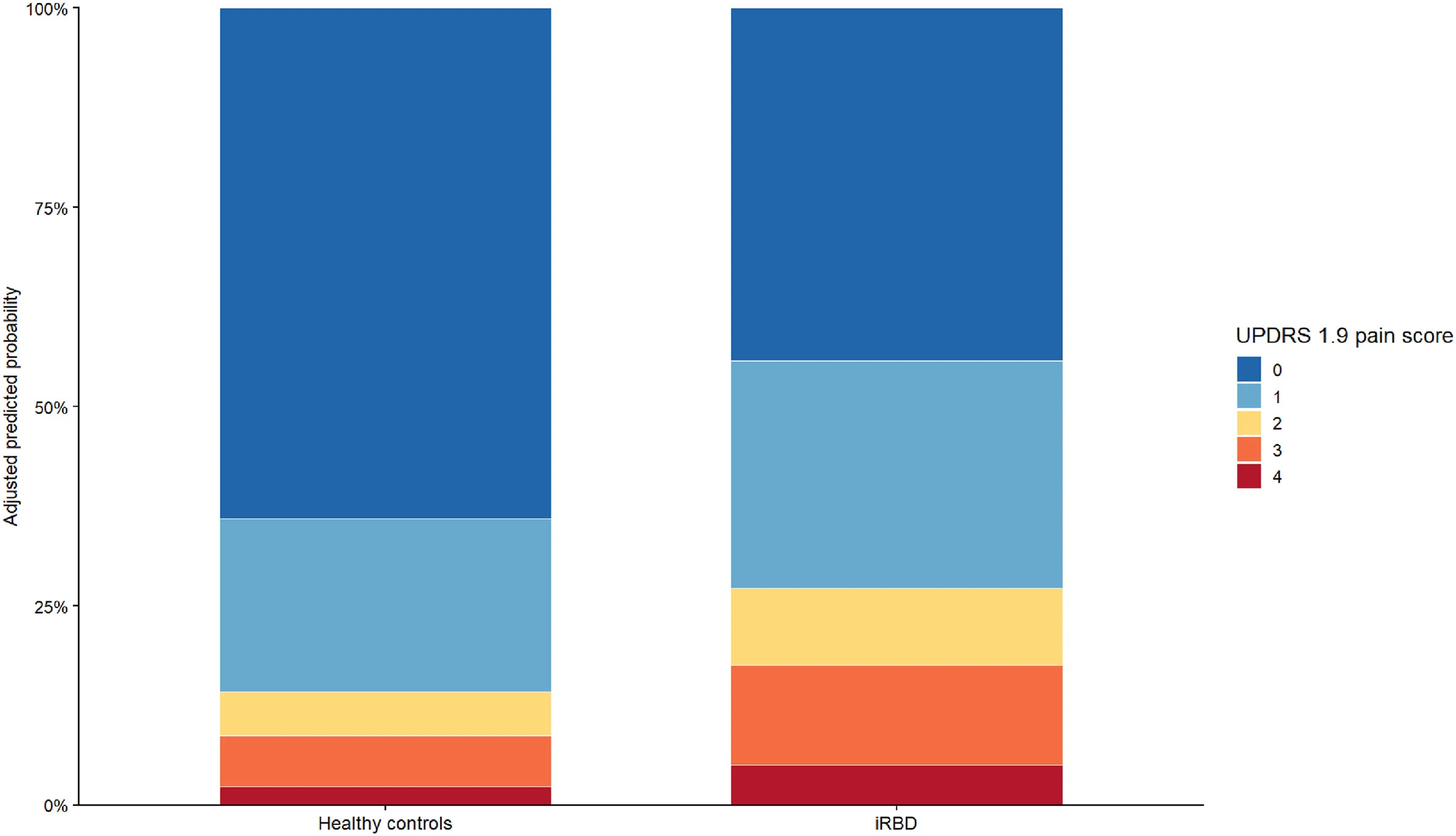
People with a dream-enactment disorder reported greater pain
People with the sleep disorder had 2.24 times the odds of greater pain severity compared with demographically matched controls.
Our read
Populations- Studied:
- Cohort study of 507 people with isolated REM sleep behavior disorder
- What changed:
- People with dream-enactment disorder had 2.24 times the odds of greater pain severity compared with matched controls
- The catch:
- Pain assessment relied on one questionnaire item, limiting detail about participants’ pain
- In the record:
- One of 7 papers on striatal dopamine transporter binding on record: 5 with results in people.
Editor of record: Boris Djordjevic · AgingResearch.News
The 507 people with sleep-test-confirmed isolated rapid eye movement sleep behavior disorder and 33 demographically matched controls took part in a longitudinal cohort study. This disorder involves acting out dreams during sleep. Researchers assessed pain using one questionnaire item and tracked progression to clinically apparent synucleinopathies, diseases involving a protein called alpha-synuclein.
Moderate-to-severe pain at entry was linked to later disease onset, with a hazard ratio of 2.21, a relative measure of risk over time. The estimate remained stable after adjustment for several medical conditions. However, the overall model comparing three pain categories was not statistically significant. In a 244-person brain-scan subgroup, pain severity was not associated with a measure of nerve endings that use dopamine, a brain signaling chemical.
Why it matters
Parkinson’s disease can involve pain, not just movement problems. These findings bear on whether pain belongs among the early symptoms of such brain diseases.
Caveats
Other health differences could have contributed to the link between pain and later disease despite the statistical adjustments. The progression findings concern people with this sleep disorder, not people with pain in general.
- Pain
- Synucleinopathies
- Chronic pain
- Isolated REM sleep behavior disorder
- Phenoconversion to overt synucleinopathy
- Humans
The paper
Parkinsonism & Related Disorders, Nov 2026


Comments
Be the first to comment.