Sleep tests and brain scans point to different disease stages
A retrospective study of 86 patients linked sleep disruptions to later disease development and widespread brain shrinkage to established disease.
Our read
Biomarkers- Studied:
- Cohort study of 86 patients with iRBD or established α-synucleinopathy
- What changed:
- Patients developing disease had more sleep disruptions but similar brain structure to those remaining disease-free; established disease involved brain shrinkage
- The catch:
- Only 25 patients developed disease, limiting comparisons across disease stages
Editor of record: Boris Djordjevic · AgingResearch.News
Eighty-six patients with isolated rapid eye movement sleep behavior disorder, which involves acting out dreams, or established diseases marked by abnormal buildup of the protein alpha-synuclein were included in a retrospective observational study. Researchers compared sleep recordings and brain scans among 27 patients who did not develop such disease during follow-up, 25 who did, and 34 with established disease.
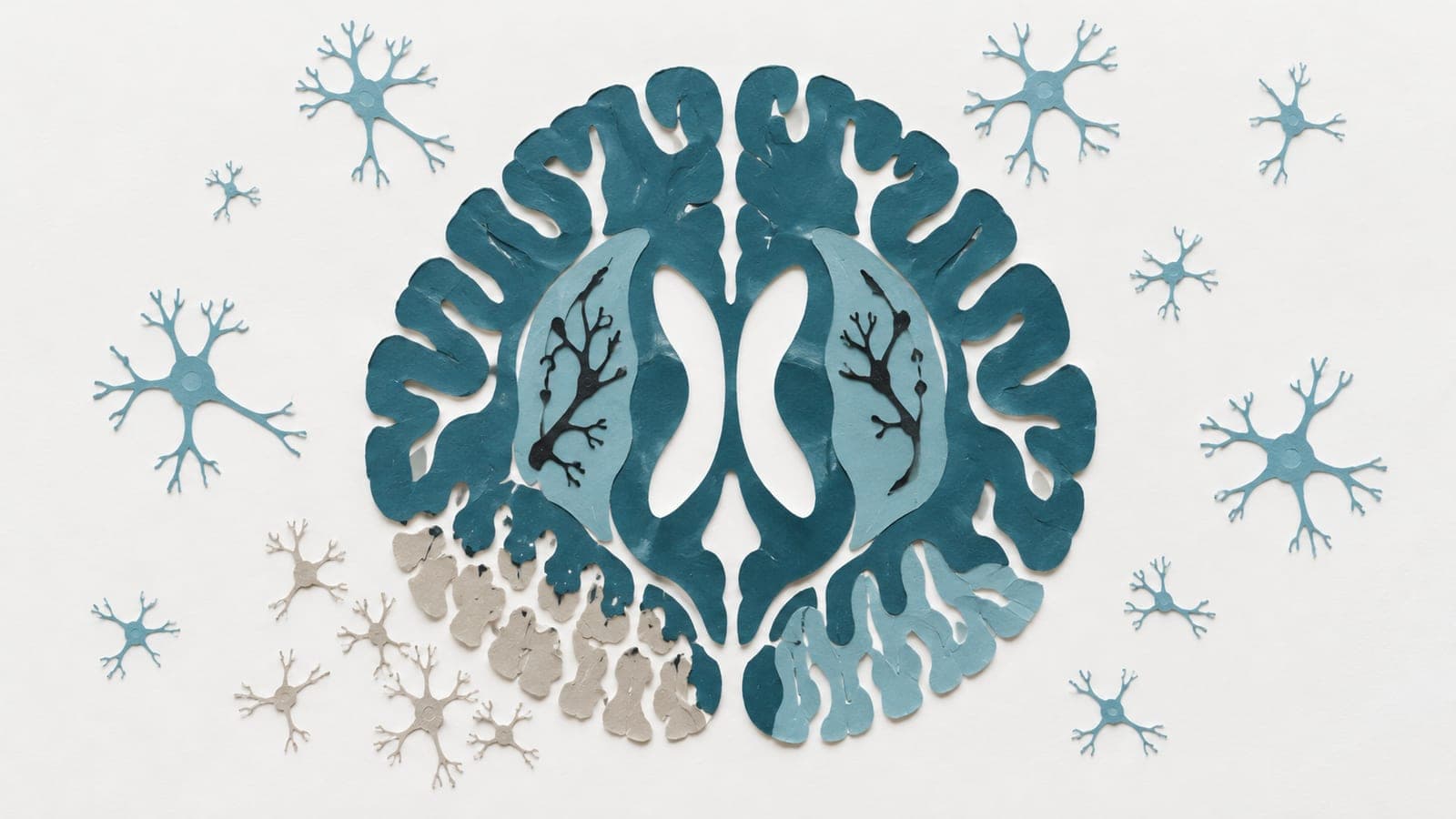
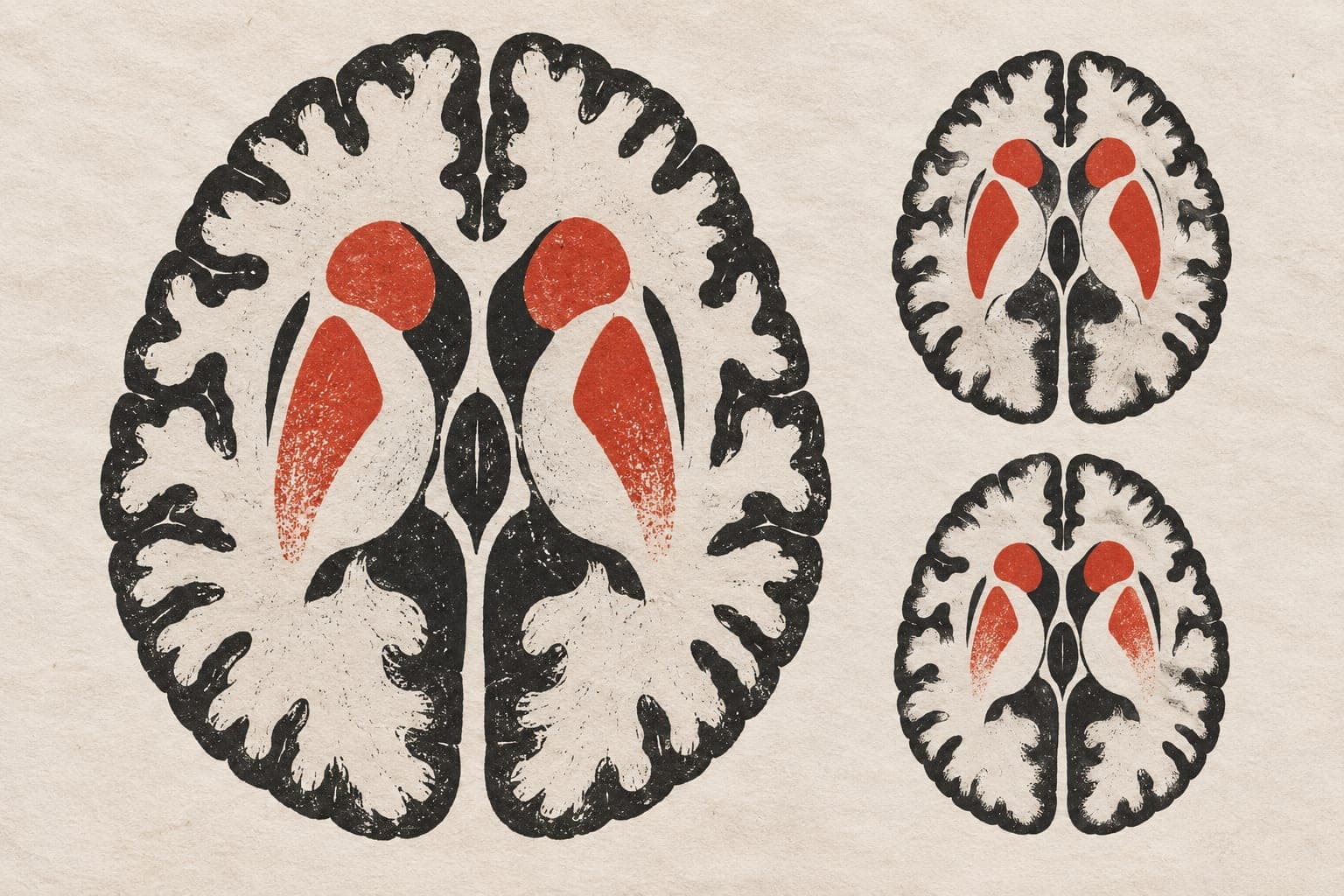
Compared with those who did not develop disease, those who did had more disruptions during non-rapid eye movement sleep and more repeated limb movements, but no structural brain differences. Patients with established disease had widespread brain shrinkage. Higher disruption rates during non-rapid eye movement sleep and lower volume in the left cingulate cortex, a brain region, were linked to a shorter time until disease developed.
Why it matters
Age-related brain degeneration raises the question of how early disease risk can be recognized. The authors supported combining sleep tests and brain scans while accounting for disease stage.
Caveats
The retrospective comparisons could not rule out other health differences between patients as an explanation for the sleep and scan findings. Only 25 patients developed disease, and the abstract does not give the follow-up duration.
Comments
Be the first to comment.