Brain connections linked to resilience differently by age
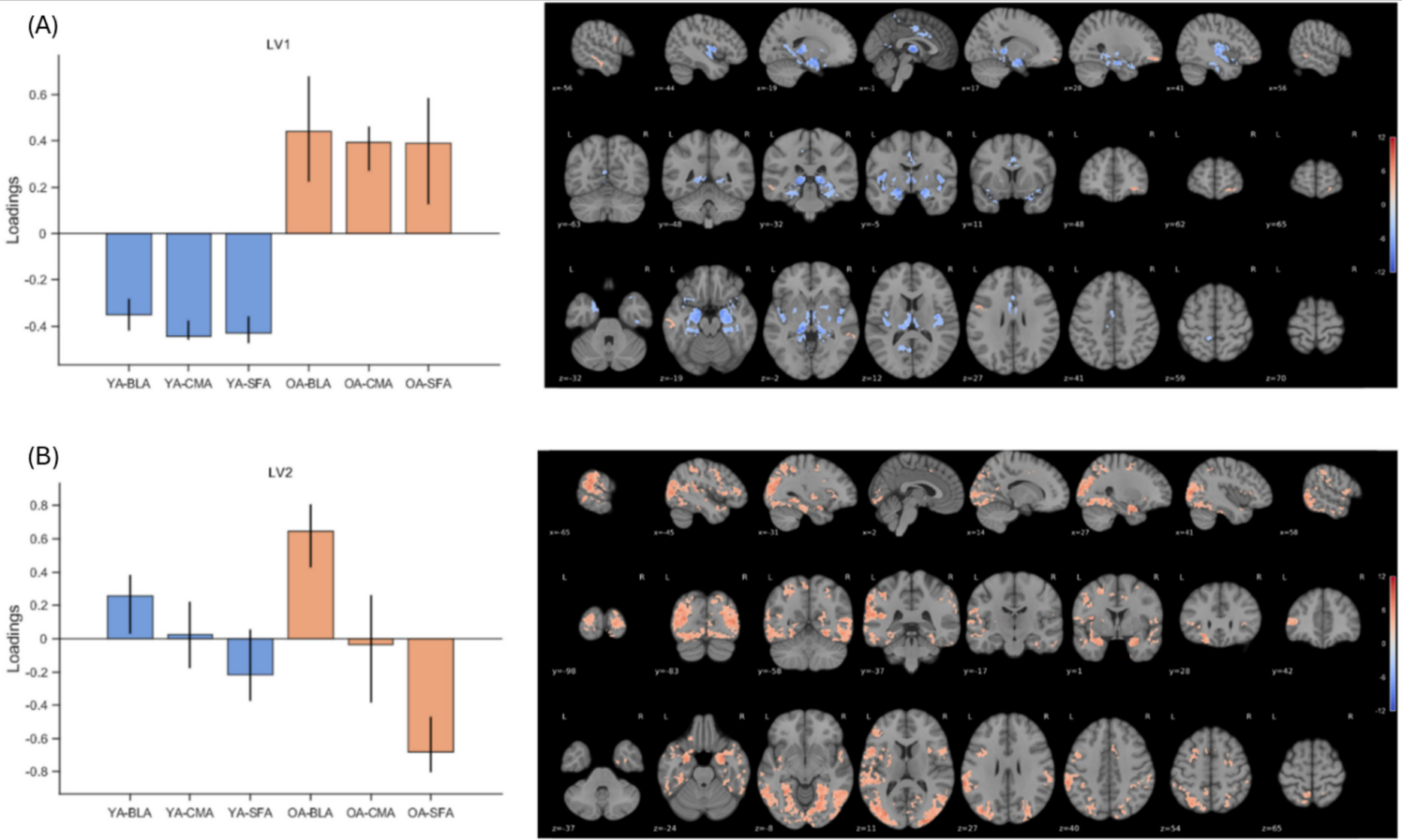
Scans of 68 younger and 66 older adults linked stronger brain connections during a negative movie to higher resilience in older adults, but lower in younger adults.
Our read
Mechanisms- Studied:
- Cross-sectional study of healthy younger and older adults
- What changed:
- During negative movies, stronger amygdala connections were linked to higher emotional resilience in older adults but lower resilience in younger adults
- The catch:
- Generational differences could explain connectivity differences attributed to aging
Editor of record: Boris Djordjevic · AgingResearch.News
Sixty-eight healthy younger adults aged 19–36 and 66 healthy older adults aged 65–82 took part in a cross-sectional brain-imaging study. The groups included 32 and 34 women, respectively. Participants watched neutral and negative movies during scans and completed questionnaires about emotional well-being and tests of thinking skills.
The researchers examined three parts of the amygdala, a brain region involved in emotion. They measured how closely activity in these parts varied with activity elsewhere in the brain. During the negative movie, stronger connections with the cortex, the brain’s outer layer, were associated with higher emotional resilience—the ability to cope with stress—in older adults but lower resilience in younger adults. The resilience-linked patterns largely overlapped across the three amygdala regions. Links with thinking skills were weaker and less consistent.
Why it matters
Emotional resilience is part of well-being in later life. The work addresses whether the brain patterns associated with coping are the same in younger and older adults.
Caveats
The authors note that comparing age groups at one point in time cannot distinguish changes within aging brains from differences between generations. Participants were healthy and had no history of psychiatric or neurological conditions.
From the paper
- Participants
Participants comprised 80 younger adults and 80 older adults, recruited from local communities through advertisements.
- Limitation
First, the study included only neutral and negatively valanced movie clips and did not examine responses to positive emotional content.
Quoted word for word from the full text on link.springer.com.


Comments
Be the first to comment.