Fatty liver genetic subtypes linked to opposite diabetes risks
An observational genetic analysis in UK Biobank participants linked fatty liver subtypes to higher or lower glucose and diabetes risk, with replication in a Chinese cohort.
Our read
Mechanisms- Studied:
- Genetic association study of UK Biobank and Chinese cohort participants (Independent replication)
- What changed:
- One fatty liver genetic score was linked to lower diabetes risk; the others were linked to higher risk
- The catch:
- Diabetes risk after changing liver fat was not measured
- In the record:
- The 6th paper on GCKR with results in people; 14 on record in all.
- Why it’s aging research:
- A leading disease of aging, its risks or menopause.
Editor of record: Boris Djordjevic · AgingResearch.News
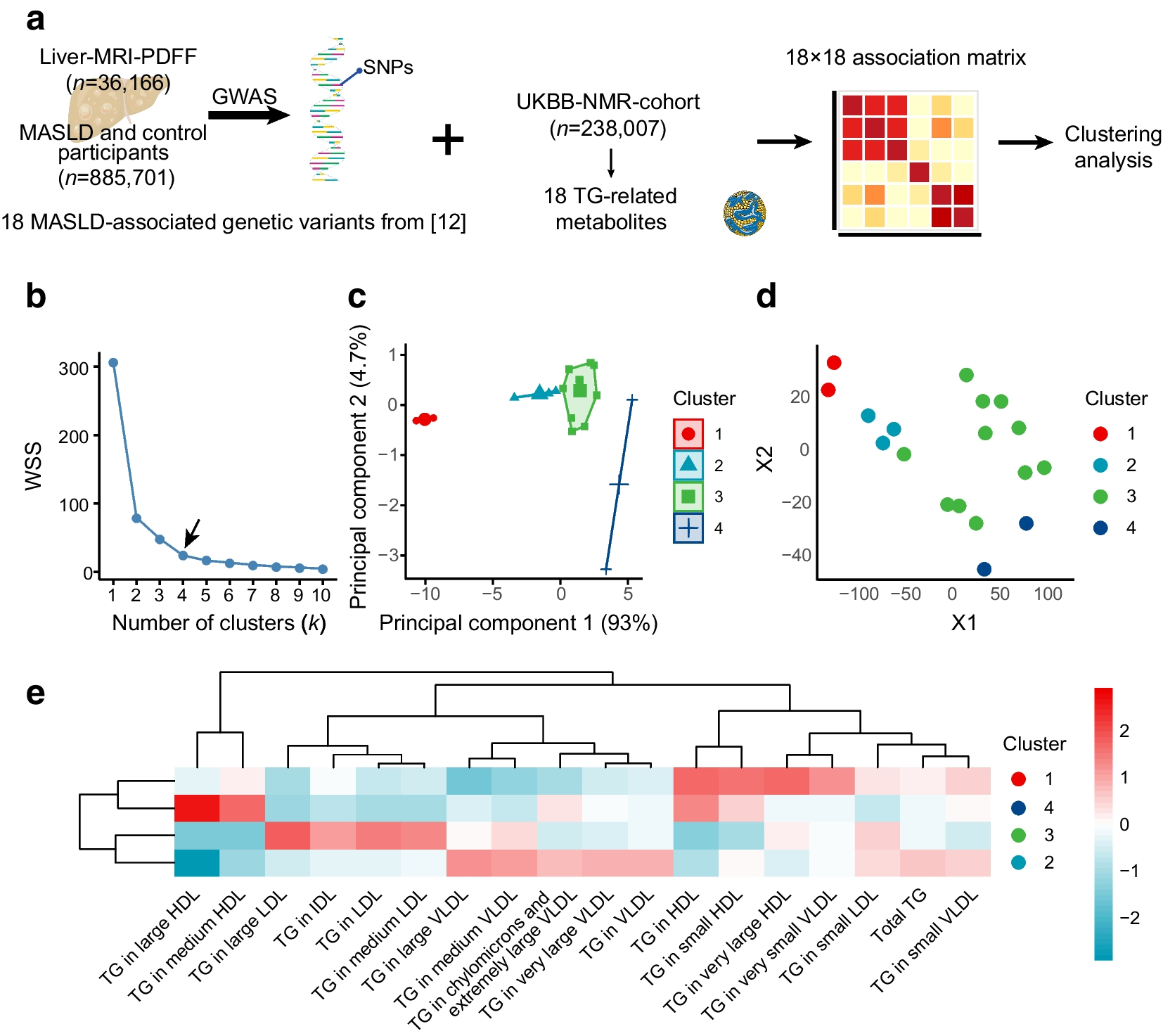
UK Biobank participants were studied in an observational genetic analysis of metabolic dysfunction-associated steatotic liver disease, a condition involving fat buildup in the liver. Researchers grouped 18 genetic variants linked to the condition using genetic data and profiles of triglycerides, a type of fat. They then built genetic scores representing these groups.
One score was associated with lower fasting blood glucose and type 2 diabetes risk; the others were associated with higher glucose and risk. All scores were linked to higher liver injury markers and adverse liver outcomes. The glucose and diabetes findings were replicated in an independent Chinese cohort. Separate functional experiments showed that one variant changed how RNA from GCKR, a gene involved in blood sugar regulation, was processed. This reduced the amount of its full-length protein and produced a shortened version.
Why it matters
For type 2 diabetes, an age-related disease, the authors suggest that distinguishing genetic subtypes of fatty liver disease may inform future risk assessment and prevention.
Caveats
The genetic associations did not test whether changing liver fat would alter diabetes risk. The proposed molecular explanation includes a predicted change in protein binding that still requires experimental validation.



Comments
Be the first to comment.