Protein restores specialized hair follicle traits in human cells
Cell experiments found that a signaling protein preserved hair follicle support-cell characteristics while encouraging skin cells to develop follicle-associated features.

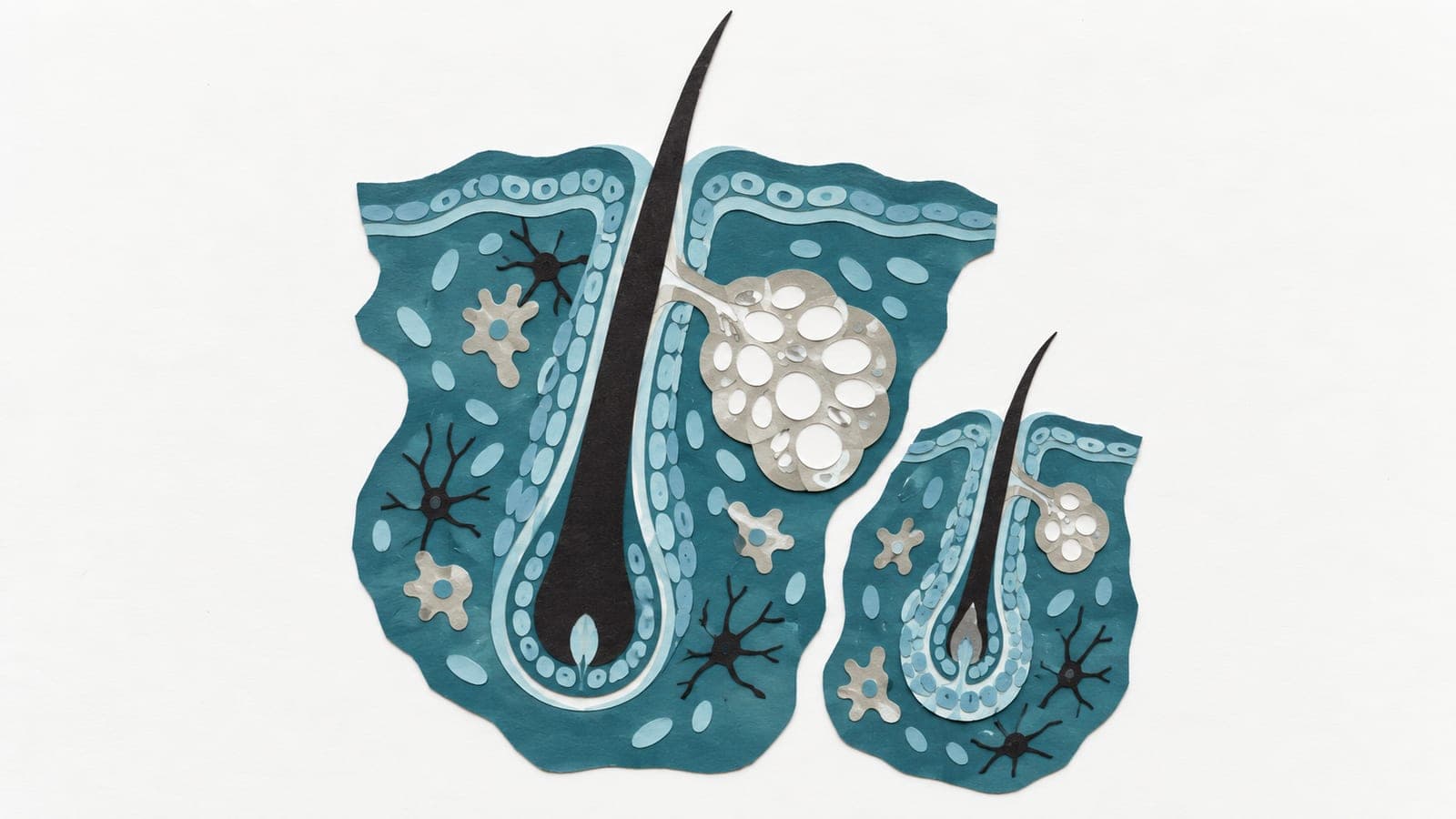
Researchers tested bone morphogenetic protein 6 (BMP6), a signaling protein, in experiments with human dermal papilla fibroblasts, supporting cells at the base of hair follicles. These cells quickly lose their ability to help form follicles when grown and multiplied in the lab. BMP6 maintained and restored their characteristic features.
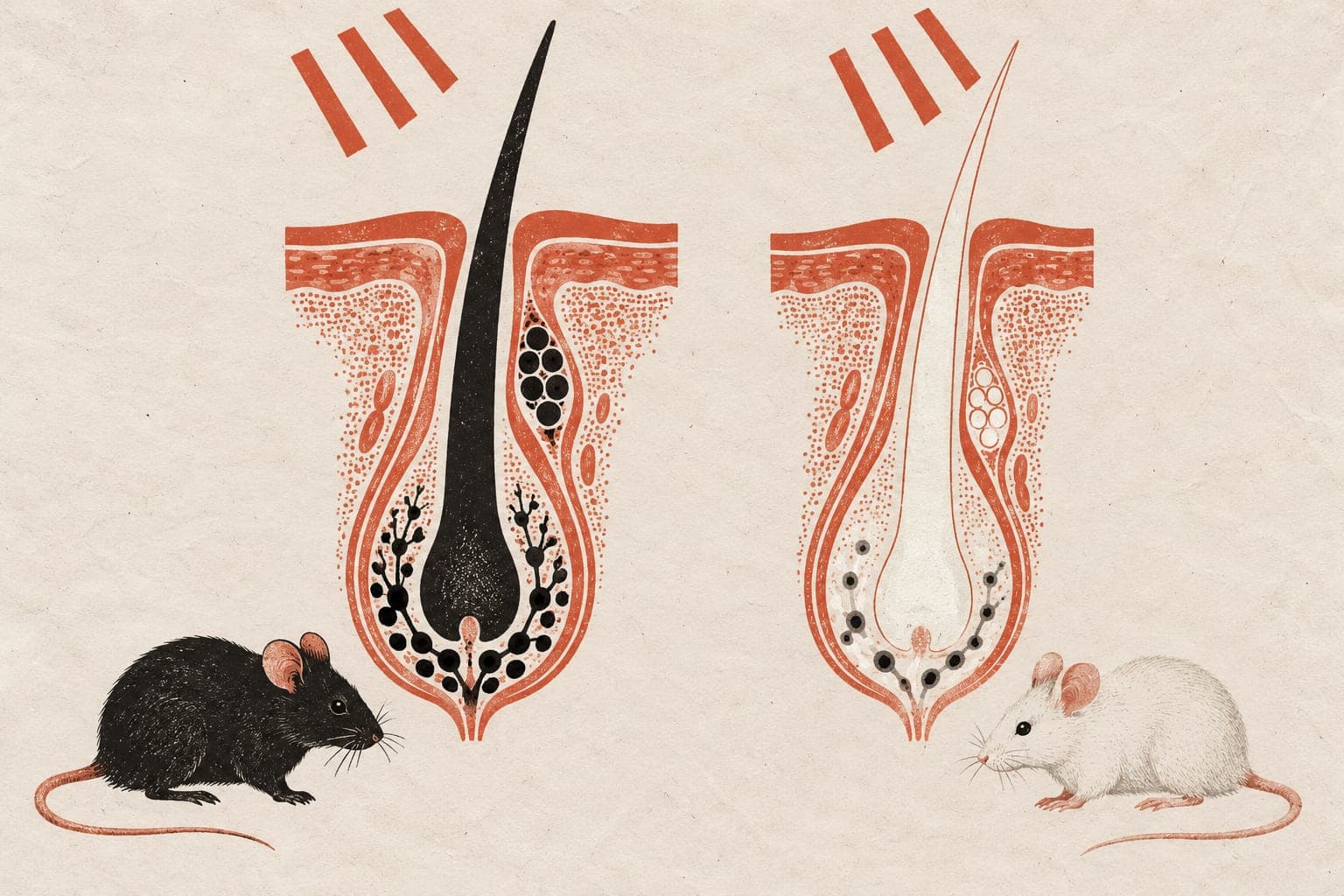
The protein also limited the multiplication of keratinocytes, cells that form the skin’s outer layer, and promoted the production of molecules associated with hair follicles. In organoids, three-dimensional cell models, BMP6 promoted cell organization and patterned follicular structures. Separate genetic experiments in mice found that BMP6 in a subset of dermal papilla cells contributed to the start, progression and maintenance of the hair growth phase.
Why it matters
Hair follicle regeneration involves coordinating supporting cells with the cells that form the follicle. The authors’ conclusion supports efforts to engineer follicles using cells multiplied in the lab.
Caveats
Experiments in lab-grown cells cannot establish whether BMP6 would regenerate hair in people. The study is a preprint and has not yet been peer-reviewed.
The paper
University of Cincinnati
bioRxiv, Oct 2, 2026, Open access, Preprint, not peer-reviewed