AI model predicts future disease from long-term health data
In predicting disease onset from biomedical measurements, the model beat the second-best system by over 10 percentage points across 1,162 tasks.
medRxiv
In a computational study, researchers built and evaluated an artificial intelligence model using 12.4 million training examples, which included 15-year medical records from 501,936 participants. The system, named HealthFound, used a three-stage training framework to interpret heterogeneous quantitative measurements tracked over time. Across 1,162 tasks predicting future disease onset from biomedical measurements in the UK Biobank, the model beat the second-best system by over 10 percentage points on average. It also attained the highest accuracy on eight public medical benchmarks and surpassed earlier models by over 6% across 484 disease endpoints in two independent validation datasets.
Why it matters
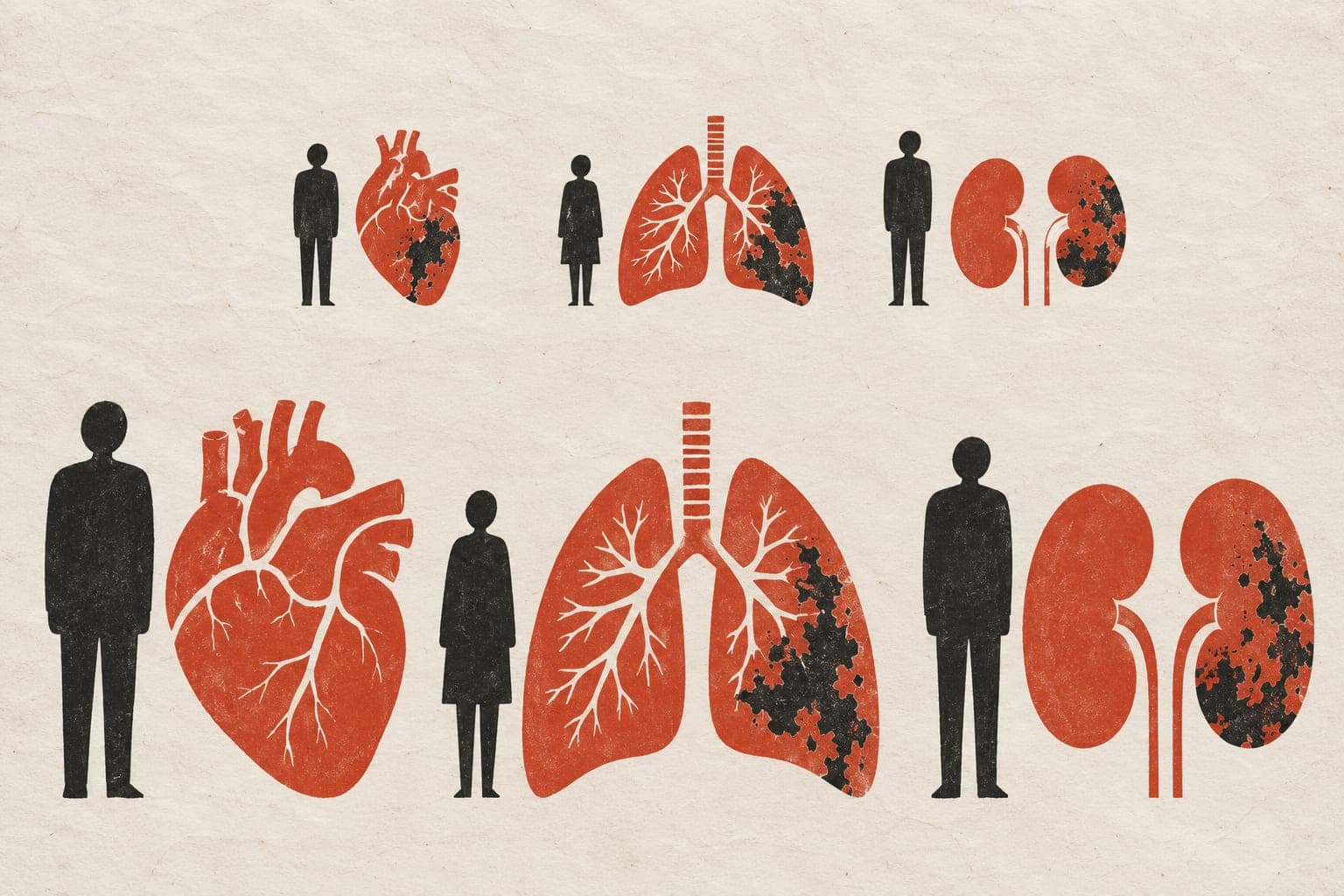
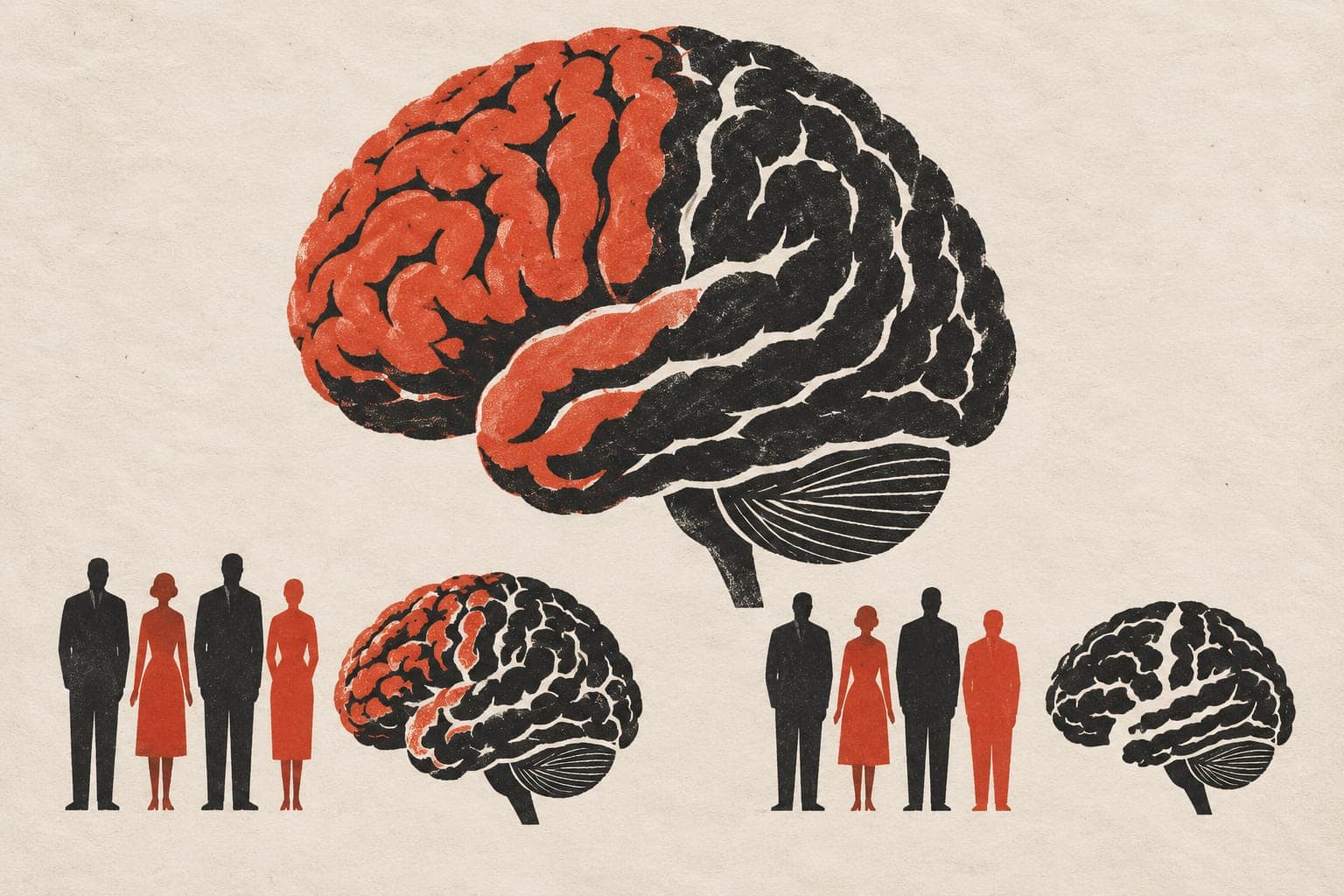
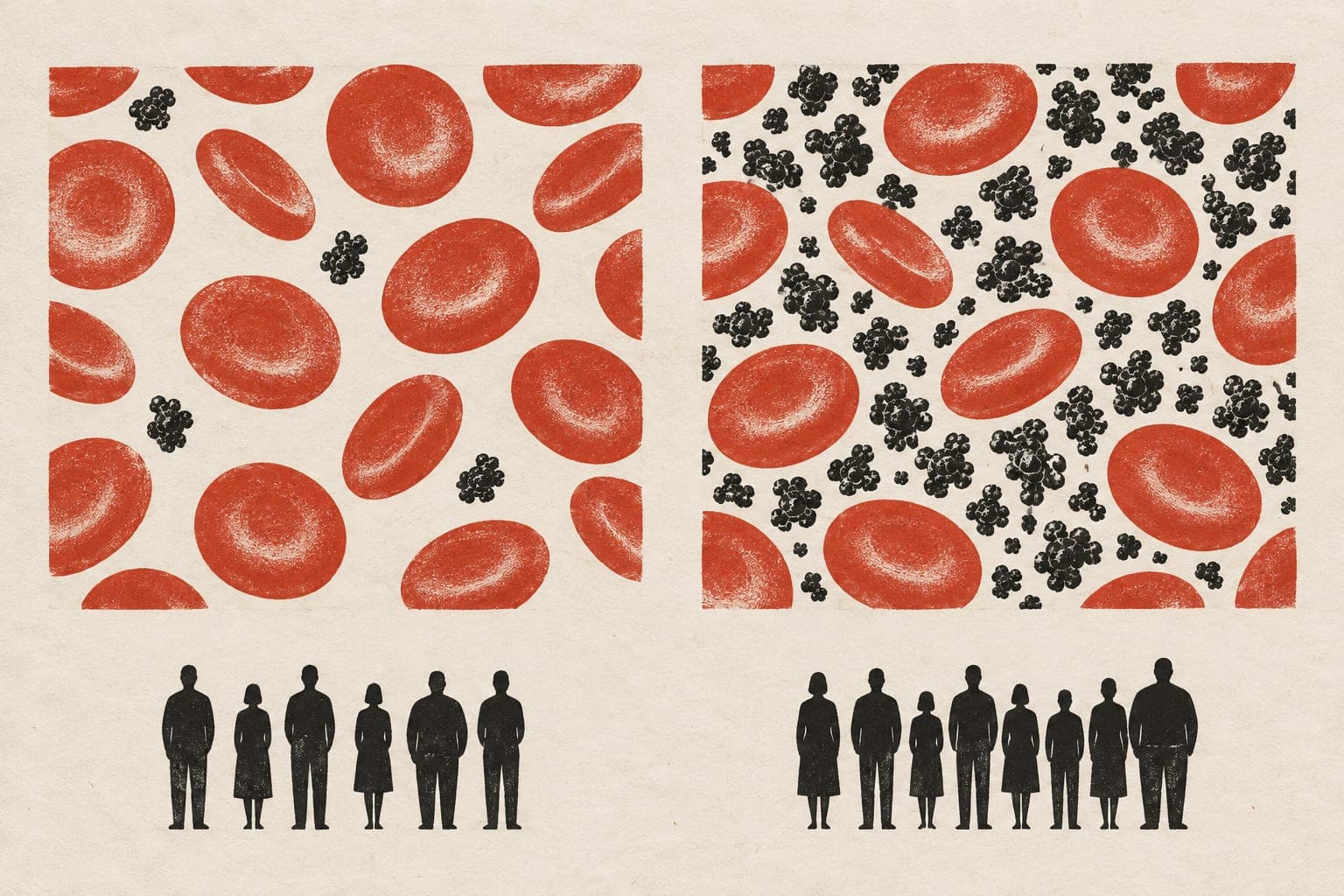
The risk of chronic illnesses rises as people age and biological measurements shift over time. Analysing long-term health profiles with computational models may help researchers study how disease risks emerge across the lifespan.
Caveats
The work is a preprint that has not yet been peer-reviewed. The model was evaluated computationally on existing health datasets rather than tested in clinical practice.
The paper
HealthFound: a health world model for quantitative reasoning on longitudinal health profiles
Show 7 more authors
J. Han, Y. Wang, H. Li, J. Deng, J. Wang, W. Gong, J. Feng,medRxiv · 7 Oct 2026 · CC BY-NC-ND · Preprint, not peer-reviewed