Brain stimulation improved balance in older adults who fell
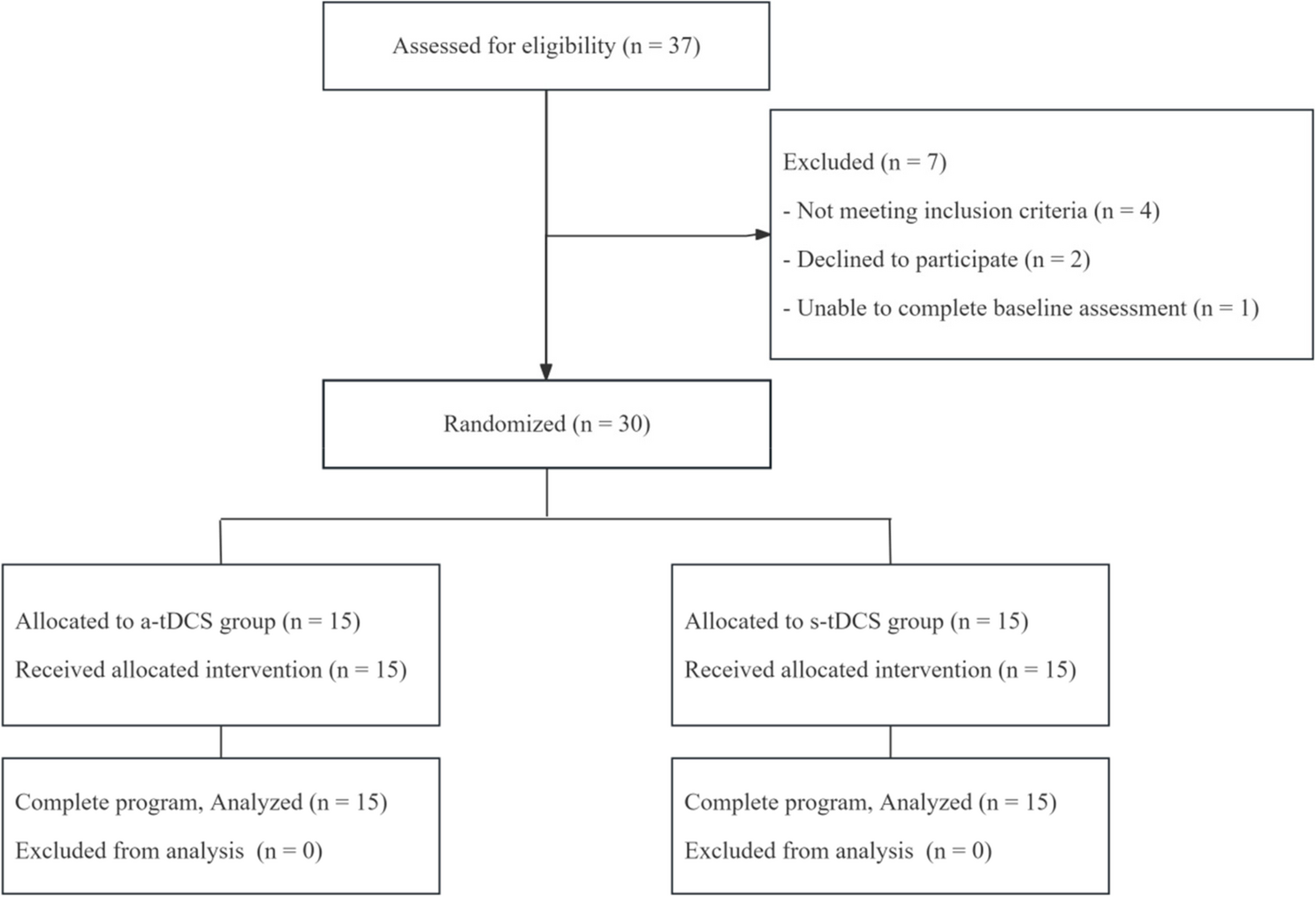
A four-week randomized, double-blind trial in 30 older adults with a history of falls found improvements in balance, hip strength and sensing ankle movement.
Our read
Interventions- Studied:
- Randomized trial in 30 people (4 weeks, double-blind, sham-controlled, sample size calculated)
- In the record:
- One of 9 papers on high-definition transcranial direct current stimulation on record: 7 with results in people.
Editor of record: Boris Djordjevic · AgingResearch.News
Thirty adults aged 65–80 who had at least one fall without fainting in the previous year entered a randomized, double-blind trial. Fifteen received active brain stimulation and 15 received sham stimulation. Over four weeks, the active group received 12 sessions of 2-milliamp electrical stimulation for 20 minutes, targeting brain areas involved in movement and sensation. Sham sessions provided only brief current.
Compared with baseline, active recipients swayed less sideways while standing on one leg with eyes closed and controlled weight shifts more accurately. They also gained strength moving the hip outward and detected smaller inward ankle movements. The sham group showed no significant changes in these measures. Active stimulation did not significantly improve foot skin sensitivity. Greater hip-strength gains were linked to greater improvements in standing balance within the active group. No serious adverse events occurred; temporary sensations ended immediately after sessions.
Why it matters
For older adults with a history of falls, the work addresses whether targeting the brain can support the strength and movement sensing involved in balance.
Caveats
The authors note that the small sample made it hard to rule out other factors influencing the results. Participants could stand independently, and the trial excluded people with severe muscle or joint disorders that impaired balance.
From the paper
- Participants
A total of 37 participants were recruited from the local community through flyers and health education sessions.
- Harms
The HD-tDCS intervention was safe and well-tolerated; no serious adverse events occurred, and all transient sensations resolved immediately upon completion.
- Limitation
First, the HD-tDCS protocol did not fully account for individual anatomical variations, which may influence current field distribution and neuromodulatory effects.
Quoted word for word from the full text on link.springer.com.
- High-definition transcranial direct current stimulation
- History of falls
- Ankle inversion proprioception threshold
- Change in RMSML
- Cutaneous sensitivity
- Humans
The paper
Shandong Sport University
BMC Geriatrics, Aug 17, 2026, Open access

Comments
Be the first to comment.