Older women with triple-negative breast cancer had worse survival
Five-year overall survival was 56.0% in women aged 70 or older, versus 83.0% in those aged 46–69.
Limit: Older women had larger tumors, which could partly explain their poorer survival
Edited by Boris Djordjevic · AgingResearch.News
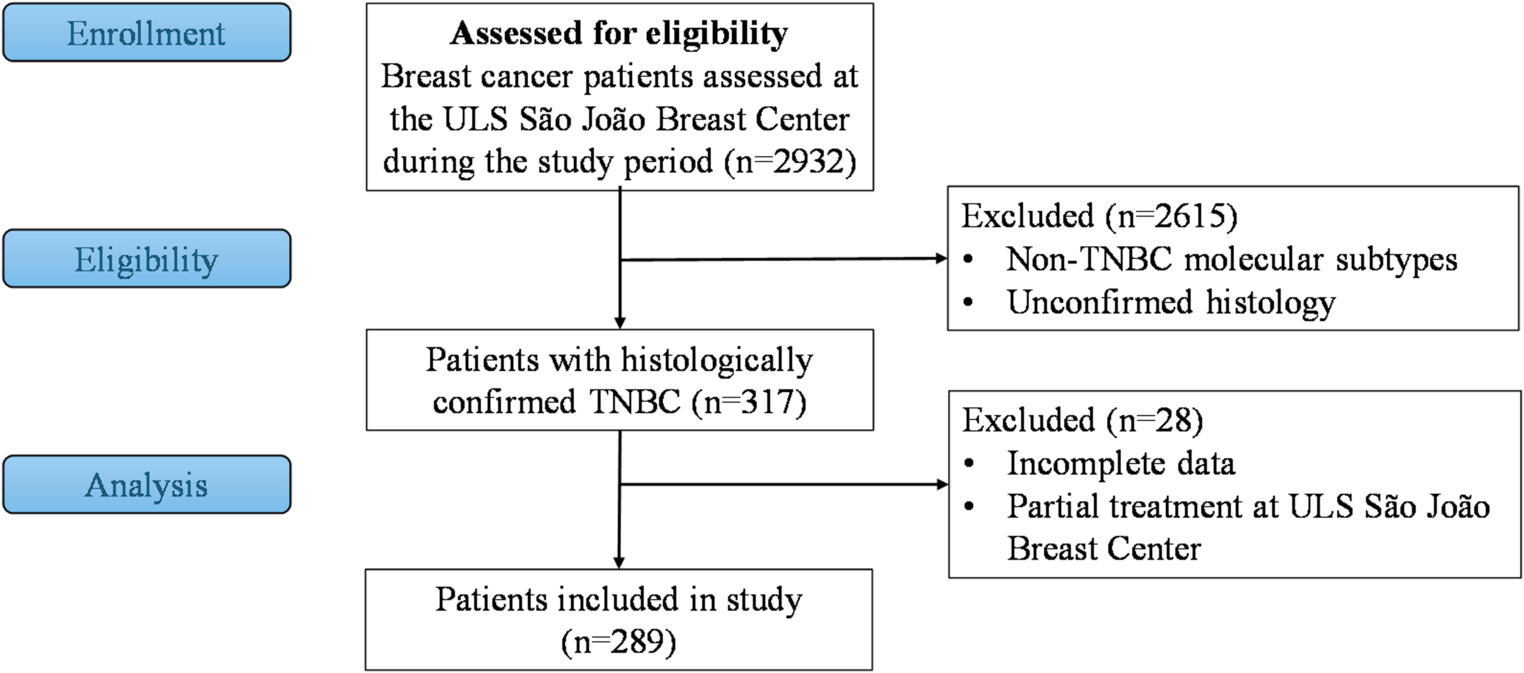
In a retrospective cohort study, researchers analyzed data from 2010–2019 on 289 patients with triple-negative breast cancer, an aggressive form of the disease. They compared three age groups: 45 or younger, 46–69, and 70 or older.
Patients aged 70 or older had larger tumors and received less intensive diagnostic testing. They received guideline-defined standard care less often: 50.9%, compared with 85.9% of those aged 45 or younger. Across the cohort, care that did not meet this standard was associated with higher mortality from any cause and from breast cancer. Five-year breast cancer-specific survival was 63.0% in older women, versus 85.0% in women aged 46–69.
Why it matters
The authors argued that cancer care for older adults should depend on individual health and fitness rather than age alone.
Caveats
This observational study could not establish that differences in care caused the survival gap. The findings concern patients with triple-negative breast cancer, not breast cancer as a whole.
The paper
Age-related survival gaps in triple-negative breast cancer: a 10-year real-world analysis
Universidade do Porto
Aging Clinical and Experimental Research, Jul 24, 2026, Open access
