Melatonin ameliorates behavioral deficits in 5xFAD mice through modulation of neurogenesis, neuroimmune responses, neurotransmission, and metabolic pathways
Abstract
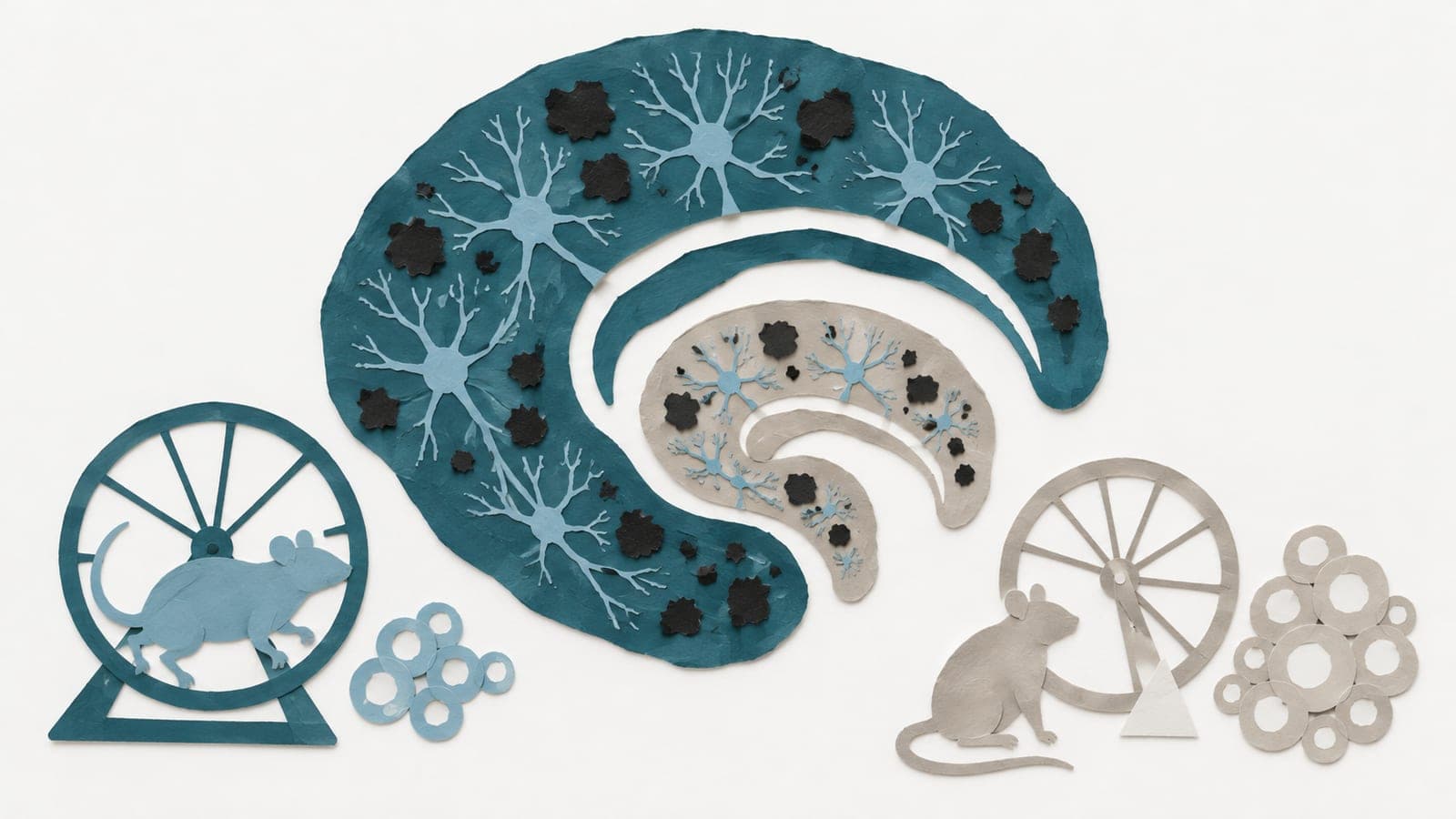
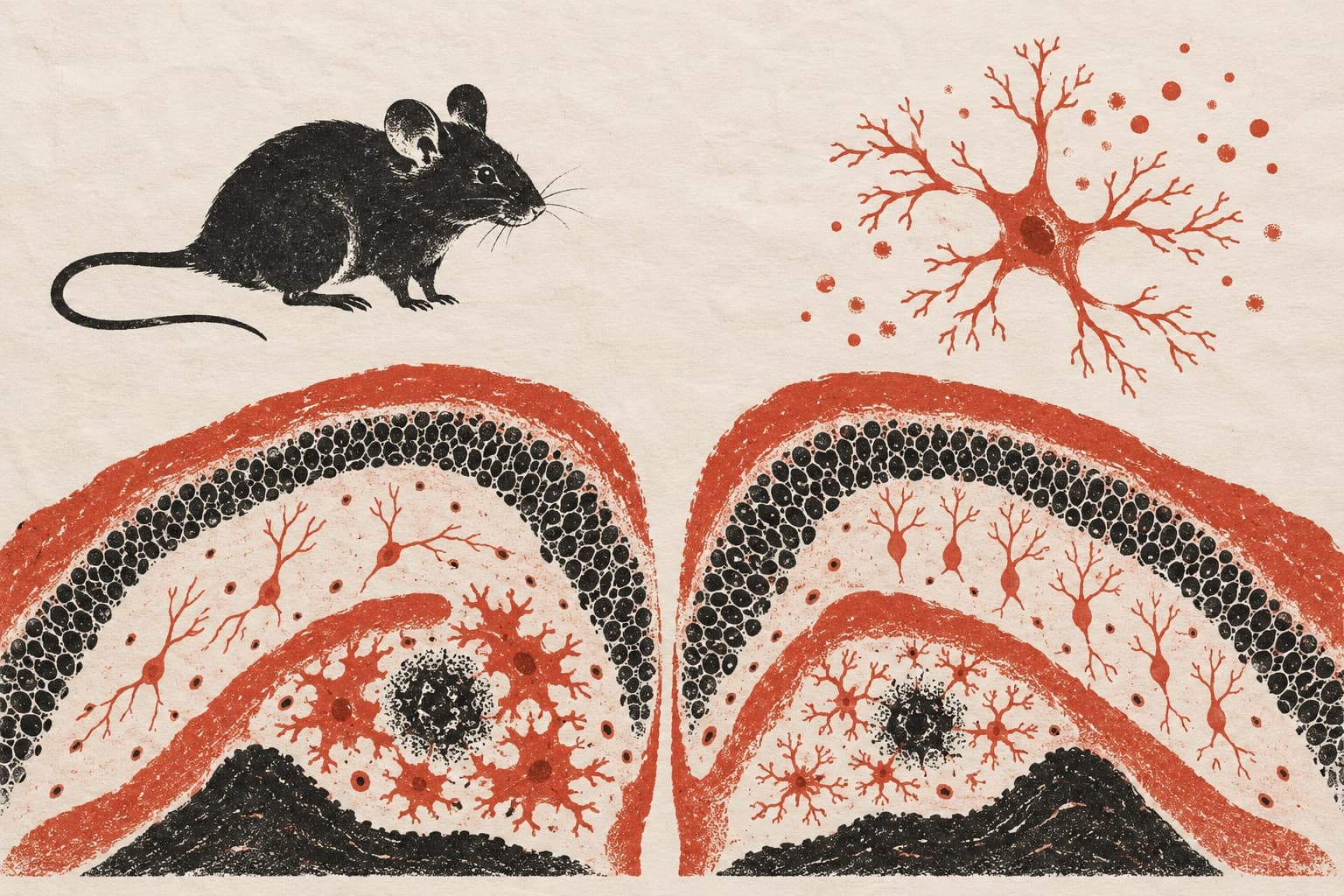
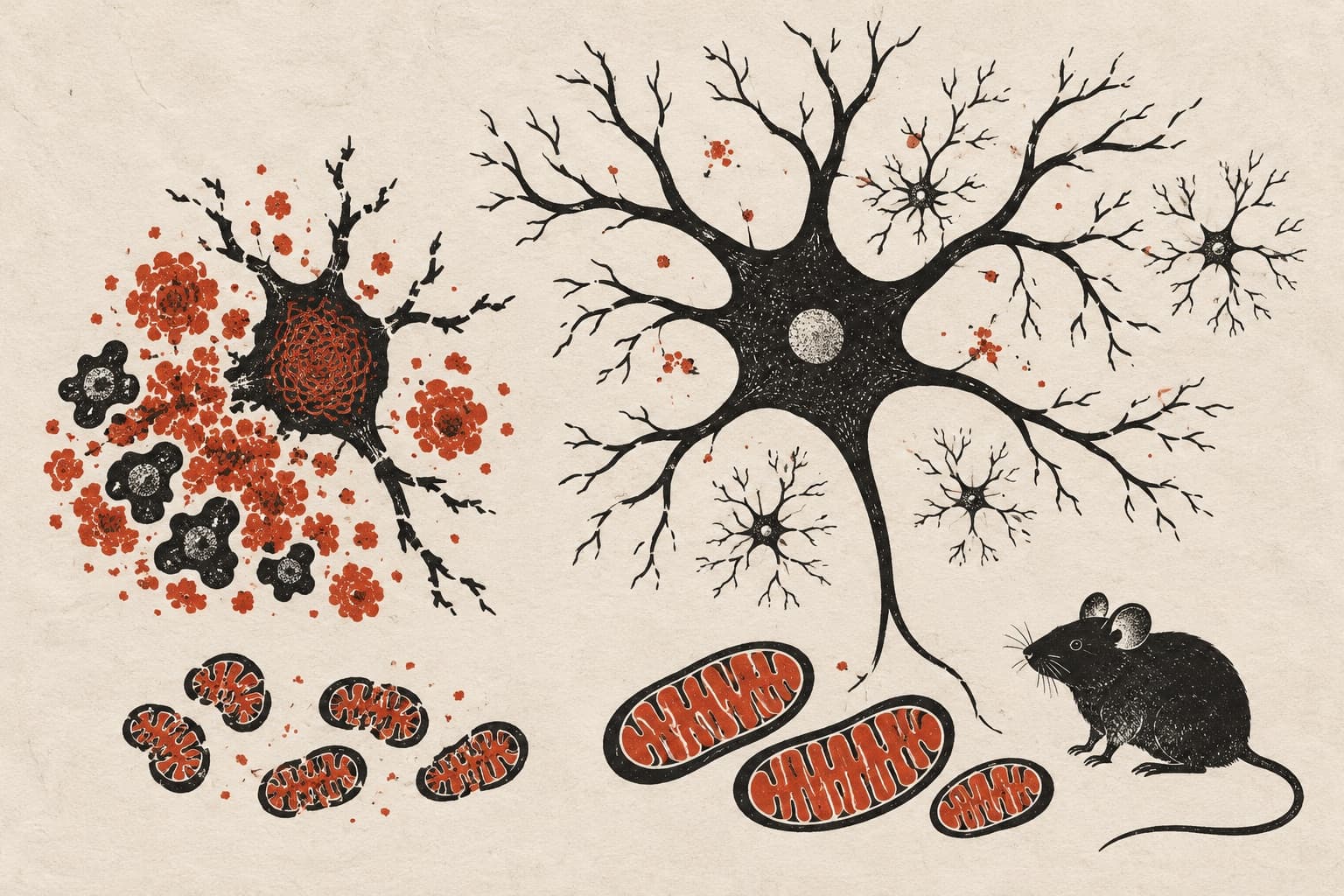
Alzheimer's disease (AD) is a neurodegenerative disorder with limited disease-modifying treatment options. Melatonin, an endogenous hormone, has been shown to have therapeutic effects on amyloid deposition, oxidative stress, and neuroinflammation in AD. However, the mechanisms of its neuroprotective effects in the hippocampus remain largely unknown. This study aimed to investigate the multi-mechanistic neuroprotective effects of melatonin in AD. Eight-month-old female 5xFAD transgenic mice were treated with melatonin (10 mg/kg) for 4 weeks. Temozolomide and bromodeoxyuridine were used to block neurogenesis and to label proliferating neurons, respectively. Our results showed that 5xFAD mice treated with melatonin exhibited improved exploratory behavior, enhanced memory performance, reduced depressive-like symptoms, and decreased levels of stress hormones. At the molecular level, melatonin reduced amyloid-beta (Aβ) plaque accumulation, elevated hippocampal neurogenesis markers (DCX and BrdU), increased Trem2 expression and anti-inflammatory microglial activation, restored serotonergic, dopaminergic, catecholaminergic, and GABAergic neurotransmission, and partially normalized broader hippocampal metabolic pathways. Notably, temozolomide treatment abrogated the beneficial effects of melatonin on memory performance and depressive-like behavior in 5xFAD mice, indicating a neurogenesis-dependent mechanism. Collectively, these findings suggest that melatonin ameliorates behavioral deficits in 5xFAD mice through both neurogenesis-independent (reduced Aβ plaque accumulation, Trem2-microglial activation, neurotransmission restoration, and metabolic remodeling) and hippocampal neurogenesis-dependent mechanisms. Overall, melatonin holds therapeutic potential for attenuating the neuropathology and behavioral deficits in AD.
The paper
Xi'an Jiaotong-Liverpool University
Brain, Behavior, and Immunity, Oct 16, 2026