Blood taurine linked to common and rare DNA variants
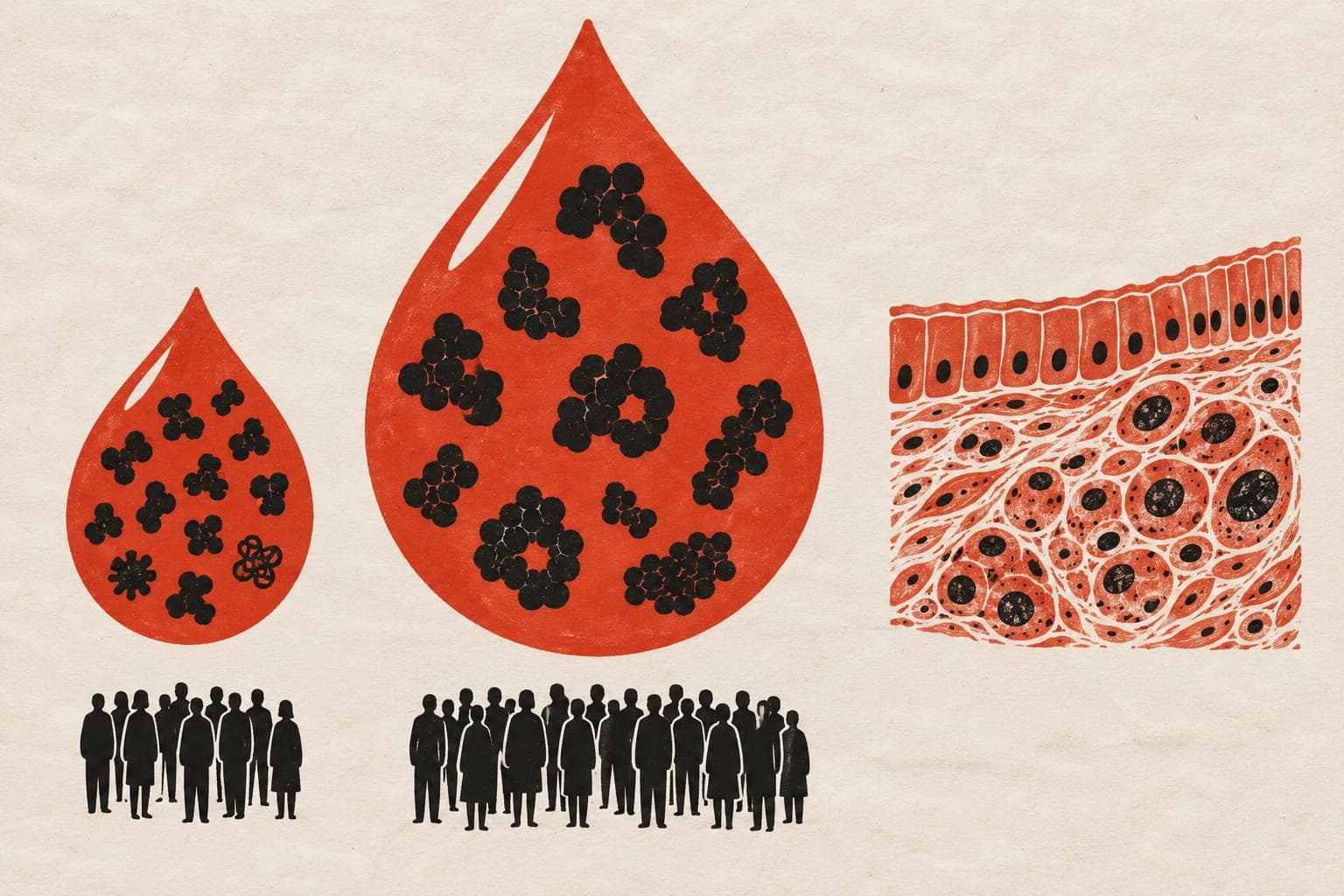
An analysis of 36,490 European individuals identified six regions with common DNA variants and two with rare variants associated with blood taurine levels.
Functional & Integrative Genomics
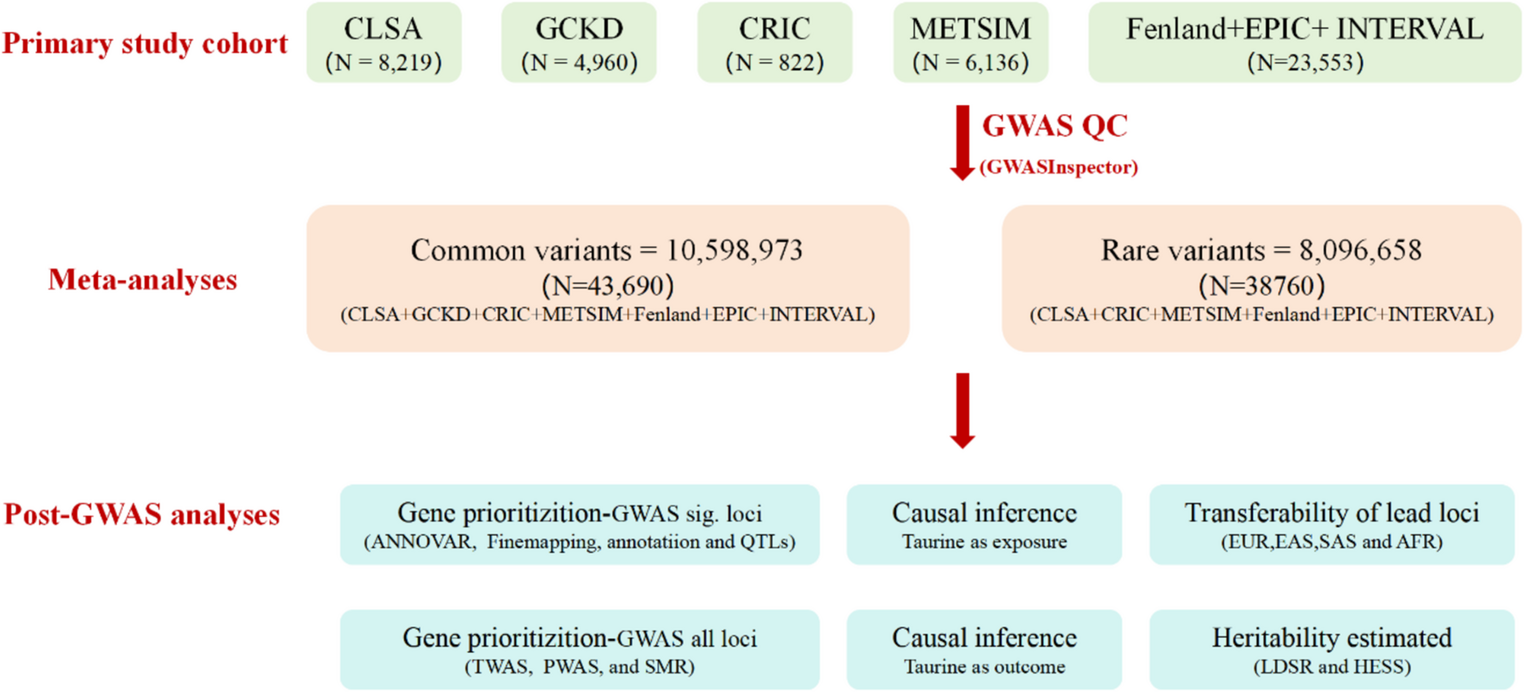
In 36,490 European individuals, researchers combined summary results from five independent observational genetic studies of blood taurine, a nutrient involved in many biological processes. They identified six genetic regions with common DNA variants and two with rare variants associated with taurine levels.
The team then used genetic variants as stand-ins for taurine levels in a Mendelian randomisation analysis, a method that examines links using inherited differences. They assessed more than 17,000 clinical traits. The results suggested possible links between genetically predicted taurine levels and cancers, high blood pressure and brain traits, among other outcomes. The researchers highlighted disease links requiring experimental validation to inform future taurine-based nutritional and drug strategies.
Why it matters
For diseases relevant to aging, including cancer and high blood pressure, the work helps prioritise questions for future research on taurine-based nutritional and drug strategies.
Caveats
These observational and genetic analyses did not test whether taking taurine changes health outcomes. The data came from European individuals.
The paper
Genome-wide meta-analysis dissects the genetic basis and health implications of circulating taurine
Show 12 more authors
Zhichang Ran, Jiayuan He, Yanliu Li, Xin Yuan, Yuanqi Hu, Menglei Chen, Yihe Dai, Xiaoyu Wang, Xueting Liu, Ruirui Li, Yujie Xu, Guo Cheng,West China School of Public Health and West China Fourth Hospital
Functional & Integrative Genomics · 6 Oct 2026